Choosing the right magnetic tool holder can make your workspace more efficient and organized. Two main types of magnets power these holders: neodymium and ferrite. Each offers distinct advantages and limitations. Understanding their differences helps you select the best option for your needs.
Understanding Magnetic Tool Holders
Magnetic tool holders attach to metal surfaces and keep tools within easy reach. They work in garages, workshops, kitchens, and industrial settings. The magnet type determines how much weight the holder can support and how well it performs over time.
These holders eliminate clutter and prevent tools from getting lost. Additionally, they save valuable workspace by utilizing vertical surfaces. Therefore, many professionals and hobbyists rely on them daily.
What Are Neodymium Magnets?
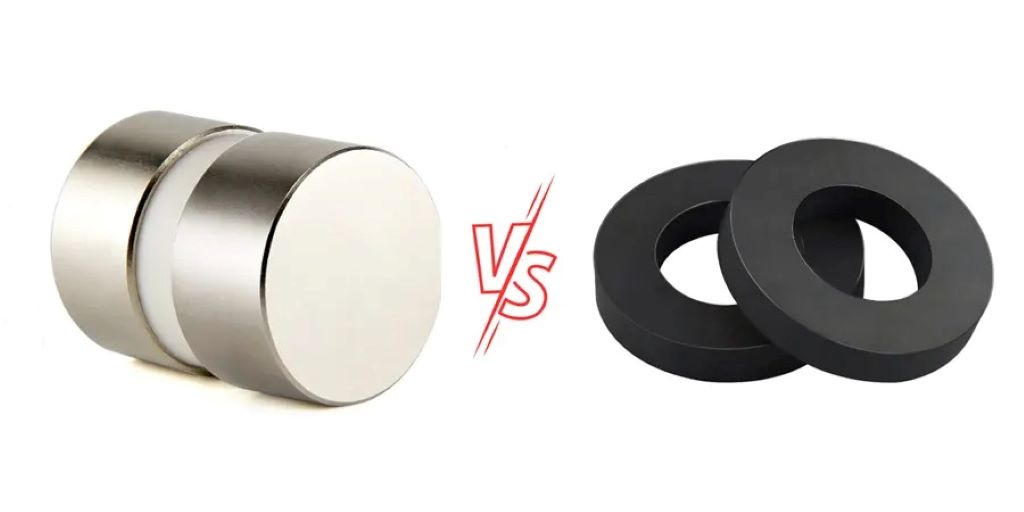
Neodymium magnets are rare earth magnets made from an alloy of neodymium, iron, and boron. They represent the strongest type of permanent magnet available commercially. Discovered in the 1980s, they revolutionized many industries.
These magnets generate exceptional holding power relative to their size. However, they cost more than other magnet types. Their strength makes them ideal for demanding applications where space is limited.
What Are Ferrite Magnets?
Ferrite magnets, also called ceramic magnets, contain iron oxide combined with barium or strontium. Manufacturers have produced them since the 1950s. They remain popular due to their affordability and reliable performance.
These magnets offer moderate strength and excellent resistance to corrosion. Moreover, they work well in high-temperature environments. Their lower cost makes them accessible for budget-conscious buyers.
Strength and Holding Capacity
Neodymium magnets provide significantly stronger holding force than ferrite magnets. A small neodymium magnet can hold as much weight as a ferrite magnet several times its size. This superior strength allows for compact tool holder designs.
Ferrite magnets require larger surface areas to achieve similar holding capacity. Nevertheless, they still provide adequate strength for many common tools. For lightweight items like screwdrivers and pliers, ferrite magnets work perfectly well.
When comparing identical sizes, neodymium magnets typically offer five to ten times more holding power. Therefore, neodymium proves essential when space constraints exist or when holding heavy tools.
Size and Weight Considerations
Neodymium tool holders can be much smaller while maintaining strong holding power. This compact design saves valuable wall or bench space. Additionally, their light weight makes installation easier.
Ferrite tool holders tend to be bulkier and heavier. They need more material to generate adequate magnetic force. However, this extra bulk rarely poses problems in spacious workshops.
The compact nature of neodymium holders appeals to professionals with limited workspace. Conversely, the larger ferrite holders provide visible, easy-to-locate storage in expansive areas.
Durability and Longevity
Both magnet types offer excellent longevity when properly maintained. Neodymium magnets maintain their strength indefinitely under normal conditions. However, they are more brittle and can chip or crack if dropped.
Ferrite magnets resist physical damage better due to their ceramic composition. They tolerate impacts and rough handling more effectively. Furthermore, they rarely lose magnetic strength over time.
External factors affect each type differently. Neodymium magnets lose strength when exposed to high temperatures above 80 degrees Celsius. Ferrite magnets withstand higher temperatures without performance degradation.
Corrosion Resistance
Ferrite magnets naturally resist corrosion and oxidation. Their ceramic composition protects them from moisture and chemicals. Therefore, they work well in humid or outdoor environments without special coatings.
Neodymium magnets rust easily when exposed to moisture. Manufacturers typically apply protective coatings like nickel, zinc, or epoxy. These coatings add cost but provide necessary protection. Even with coatings, neodymium holders require more careful maintenance.
In damp workshops or marine environments, ferrite magnets offer clear advantages. They maintain performance without deterioration. However, coated neodymium magnets still function well if the coating remains intact.
Temperature Performance
Temperature significantly impacts magnetic performance. Neodymium magnets lose strength rapidly at elevated temperatures. Standard grades begin weakening around 80 degrees Celsius. Specialized high-temperature grades cost more but withstand higher heat.
Ferrite magnets perform reliably across wider temperature ranges. They maintain strength up to 250 degrees Celsius or higher. Additionally, they actually strengthen slightly in cold temperatures.
For automotive repair shops or industrial settings with heat exposure, ferrite magnets prove more reliable. Conversely, climate-controlled workshops allow neodymium magnets to perform optimally.
Cost Comparison
Price represents a major consideration for many buyers. Ferrite magnets cost significantly less than neodymium magnets. The raw materials are abundant and processing is simpler. Therefore, ferrite tool holders offer budget-friendly options.
Neodymium magnets command premium prices due to rare earth elements. Mining and refining these materials increases costs. Additionally, protective coatings add to the final price.
However, the superior strength of neodymium may justify the expense. One compact neodymium holder might replace multiple ferrite holders. This efficiency can offset the initial cost difference over time.
Installation and Mounting
Both magnet types typically feature similar mounting methods. Many holders include pre-drilled holes for screw mounting. Some offer adhesive backing for tool-free installation. The actual installation process differs little between the two types.
Weight differences affect mounting requirements. Heavier ferrite holders may need more robust anchoring. Lighter neodymium holders often require only simple mounting. Nevertheless, both types install quickly and easily.
According to Popular Mechanics, proper mounting ensures maximum holding capacity and prevents accidents. Following manufacturer guidelines guarantees optimal performance regardless of magnet type.
Best Applications for Neodymium Tool Holders
Neodymium holders excel in situations requiring maximum strength in minimal space. They work perfectly for heavy tools like wrenches, hammers, and large pliers. Professional mechanics and technicians often prefer them for crowded tool carts.
Mobile workstations benefit from neodymium’s compact design. Food service kitchens use them for knife storage. Additionally, they secure tools in vehicles and boats where space is precious.
Their strength makes them ideal for vertical surfaces where gravity works against holding power. However, their higher cost and temperature sensitivity limit some applications.
Best Applications for Ferrite Tool Holders
Ferrite holders suit workshops with ample wall space and budget constraints. They handle everyday hand tools effectively. Home garages, school workshops, and hobbyist spaces frequently use them.
Their temperature resistance makes them perfect for areas near heat sources. Welding shops and metalworking facilities benefit from this characteristic. Moreover, outdoor sheds and unheated garages pose no problems.
The lower cost allows for multiple holders throughout a workspace. This creates organized zones for different tool categories. Therefore, ferrite holders enable comprehensive organization systems economically.
Environmental Impact
Environmental considerations increasingly influence purchasing decisions. Neodymium mining carries significant environmental costs. The extraction process generates toxic waste and requires substantial energy. However, the magnets themselves last indefinitely and need no replacement.
Ferrite magnets use more abundant materials with less environmental impact during mining. The ceramic manufacturing process consumes energy but produces minimal toxic waste. Their durability means they rarely enter waste streams.
Both types contribute to sustainability by keeping tools organized and protected. This extends tool life and reduces replacement frequency. Therefore, either choice supports waste reduction compared to disorganized tool storage.
Making Your Decision
Choosing between neodymium and ferrite depends on your specific needs. Consider your budget, available space, and the tools you need to store. Additionally, think about environmental conditions in your workspace.
For maximum strength in minimal space, neodymium delivers unmatched performance. The investment pays off in efficiency and organization. However, ensure your workspace temperature stays moderate.
For cost-effective, reliable storage in spacious areas, ferrite provides excellent value. It handles temperature variations better and requires less maintenance. Therefore, it suits a wider range of environments.
Conclusion
Both neodymium and ferrite magnets offer valuable solutions for tool storage. Neodymium provides superior strength and compact design but costs more and requires temperature control. Ferrite delivers reliable performance, excellent durability, and budget-friendly pricing with better temperature tolerance.
Your choice depends on workspace constraints, budget, environmental conditions, and specific tool requirements. Professionals with limited space and heavy tools benefit from neodymium’s power. Home users and those with spacious workshops find ferrite perfectly adequate.
Understanding these differences ensures you select the right magnetic tool holder. Either option improves organization and efficiency compared to traditional storage methods. Therefore, investing in quality magnetic holders enhances any workspace regardless of which type you choose.
Frequently Asked Questions
Can neodymium magnets lose their strength over time?
Neodymium magnets retain their magnetic strength indefinitely under normal conditions. However, exposure to temperatures above 80 degrees Celsius or physical damage can reduce their effectiveness. Proper care ensures they maintain full strength for decades.
Are ferrite magnets strong enough for heavy tools?
Ferrite magnets provide adequate strength for most common hand tools when sized appropriately. While they cannot match neodymium’s power pound-for-pound, larger ferrite holders effectively secure wrenches, hammers, and other heavy implements.
Do magnetic tool holders damage tool finishes?
Quality magnetic holders will not damage tool finishes when used properly. The magnetic force attracts tools without abrading surfaces. However, sliding tools along the holder repeatedly may cause minor wear on both the tool and holder over time.
Can I use magnetic tool holders outdoors?
Ferrite magnetic holders work excellently outdoors due to their natural corrosion resistance. Neodymium holders require proper protective coatings and should be sheltered from direct moisture exposure. Choose ferrite for unprotected outdoor applications.
How much weight can a typical magnetic tool holder support?
Weight capacity varies significantly by size and magnet type. Small neodymium holders may support 5-10 pounds while large ferrite holders handle 20-30 pounds or more. Always check manufacturer specifications for exact weight ratings before use.
Related Topics: