
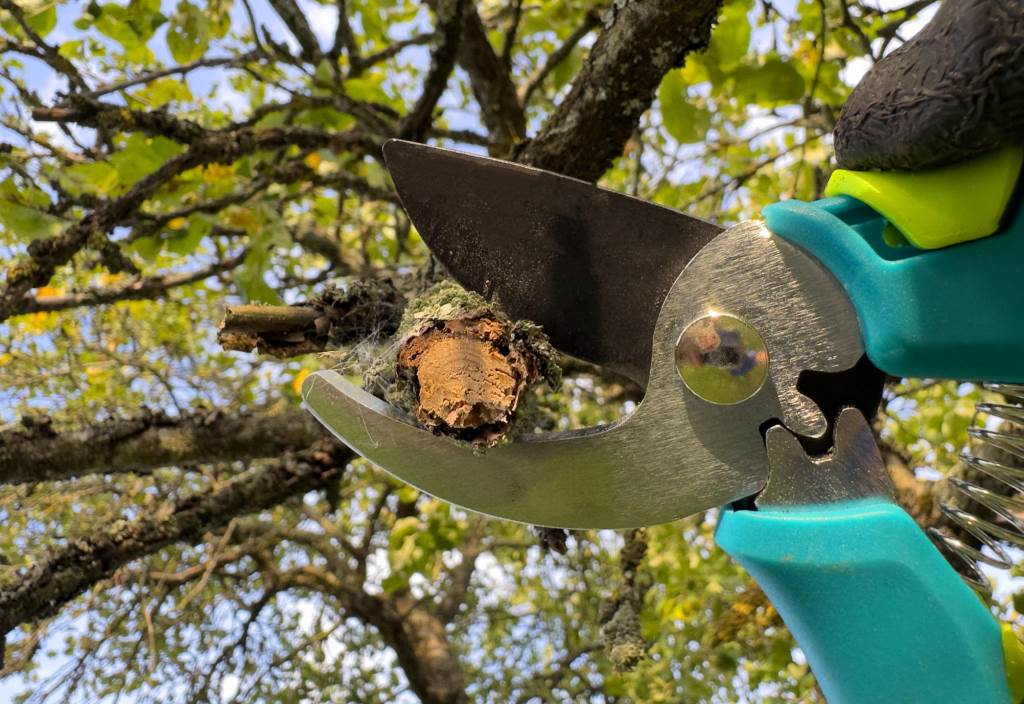
Tough gardening jobs demand tools that do not quit halfway. If you have ever struggled with thick branches or stubborn stems, you already know that standard pruners often fail under pressure. According to the United States Department of Agriculture, proper pruning improves plant health and can increase yield by up to 25 percent. Meanwhile, research from University of California Agriculture and Natural Resources shows that using the right cutting tools reduces plant damage and disease risk significantly. That is why choosing heavy duty pruning shears is not just about comfort. It directly affects plant growth, safety, and efficiency. In this guide, you will learn exactly how to pick the right tool for demanding gardening work.
What Are Heavy Duty Pruning Shears
Heavy duty pruning shears are designed for cutting thick branches, dense shrubs, and woody stems that standard tools cannot handle. Unlike basic pruners, these tools feature reinforced blades, stronger handles, and advanced cutting mechanisms.
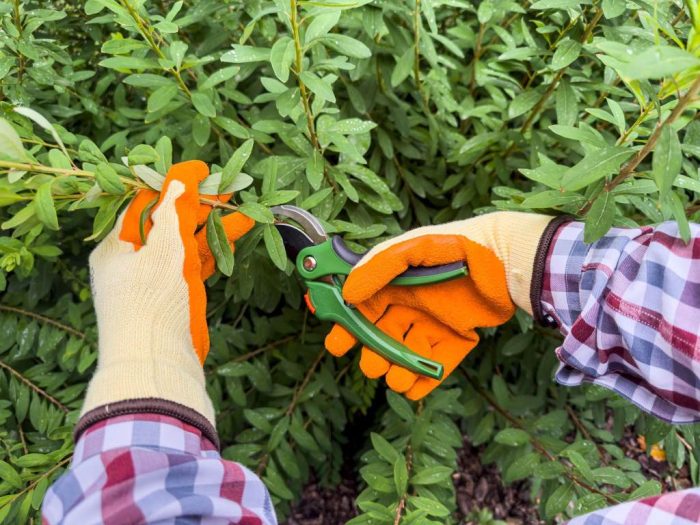
These shears typically handle branches up to one inch thick or more. Therefore, they are ideal for serious gardeners, landscapers, and anyone maintaining mature plants.
You will often find two main styles:
- Bypass pruners for clean, precise cuts on live plants
- Anvil pruners for cutting dead or hard wood
Choosing between these types depends on your gardening tasks, which we will explore next.
Why Choosing the Right Pruning Shears Matters
Using the wrong shears can damage plants and strain your hands. Poor cuts leave plants vulnerable to disease and slow recovery. On the other hand, high quality heavy duty shears make clean cuts that heal faster.
Additionally, proper tools reduce physical fatigue. Gardening often involves repetitive motion, so ergonomic design plays a major role in long term comfort.
Key benefits of choosing the right shears include:
- Cleaner cuts that promote plant health
- Less effort when cutting thick branches
- Reduced risk of hand and wrist injury
- Improved efficiency during long gardening sessions
Types of Heavy Duty Pruning Shears
Bypass Pruning Shears
Bypass shears work like scissors. Two curved blades pass each other to create a clean cut. These are best for live plants because they minimize tissue damage.
They are ideal for:
- Green stems
- Flowering plants
- Fruit trees
However, they may struggle with very hard or dead wood.
Anvil Pruning Shears
Anvil shears use a straight blade that presses against a flat surface. This design provides more force, making them better for tough, dry branches.
They work well for:
- Dead wood
- Thick branches
- Hard shrubs
Still, they can crush softer stems if used incorrectly.
Ratchet Pruning Shears
Ratchet shears cut in stages, allowing you to apply less force while still cutting thick material. This design is helpful if you have limited hand strength.
They are especially useful for:
- Seniors or beginners
- Very thick branches
- Long pruning sessions
Key Features to Look For
Blade Material
Blade quality determines cutting performance and durability. Look for high carbon steel or hardened stainless steel.
High quality blades:
- Stay sharp longer
- Resist rust and corrosion
- Deliver cleaner cuts
Avoid low grade metals because they dull quickly and require frequent sharpening.
Cutting Capacity
Always check the maximum cutting diameter. Heavy duty pruning shears should handle at least three quarters of an inch, though many go beyond one inch.
Choose based on your typical gardening needs. If you often cut thick branches, higher capacity is essential.
Handle Design and Comfort
Comfort matters more than you think. Long gardening sessions can strain your hands if the handles are poorly designed.
Look for:
- Non slip grips
- Shock absorbing features
- Ergonomic shapes
These features reduce fatigue and improve control.
Locking Mechanism
A secure locking system keeps the blades closed when not in use. This improves safety during storage and transport.
Ensure the lock is easy to operate with one hand. Complicated locks can slow you down.
Weight and Balance
Heavy tools can cause fatigue, while very light ones may lack durability. The best pruning shears strike a balance between strength and comfort.
Test the tool if possible. It should feel stable and easy to control.
How to Match Shears to Your Gardening Needs
For Small Gardens
If you mainly prune flowers and light shrubs, bypass shears with moderate cutting capacity will work well. They offer precision without excessive weight.
For Large Landscapes
Large properties often include mature trees and thick shrubs. In this case, heavy duty anvil or ratchet shears are better suited.
They provide the extra power needed for demanding tasks.
For Fruit Trees
Fruit trees require clean cuts to stay healthy. Bypass shears are the best option here because they minimize damage.
Consistent pruning also improves fruit quality and yield.
For Tough, Woody Plants
Plants like rose bushes and old shrubs need strong cutting tools. Ratchet or anvil shears handle these jobs more efficiently.
Common Mistakes to Avoid
Even experienced gardeners make mistakes when choosing pruning tools. Avoid these common issues:
- Ignoring blade quality
Cheap blades dull quickly and damage plants. Always prioritize material and craftsmanship. - Choosing the wrong type
Using anvil shears on live plants can crush stems. Match the tool to the task. - Overlooking comfort
Uncomfortable handles lead to fatigue and poor control. Ergonomics matter. - Buying without checking capacity
If the shears cannot handle your typical branch size, they will not be effective. - Skipping maintenance considerations
Some tools require more upkeep than others. Make sure you are ready to maintain them.
Maintenance Tips for Long Lasting Performance
Proper care keeps your pruning shears effective for years. Neglecting maintenance reduces performance and shortens tool life.
Follow these simple steps:
- Clean blades after each use to remove sap and debris
- Sharpen regularly to maintain cutting efficiency
- Oil moving parts to prevent rust
- Store in a dry place to avoid corrosion
Regular maintenance not only extends lifespan but also ensures consistent performance.
Safety Tips When Using Heavy Duty Shears
Safety should always come first, especially when working with sharp tools.
Important safety practices include:
- Wear gardening gloves for protection
- Keep fingers away from blades during use
- Lock shears when not in use
- Cut at a safe angle to avoid slipping
These simple steps help prevent injuries and improve overall control.
Conclusion
Choosing the right heavy duty pruning shears makes a noticeable difference in your gardening results. The right tool delivers clean cuts, reduces effort, and protects plant health. Focus on blade quality, cutting capacity, and comfort when making your decision. Match the tool to your specific gardening needs for the best outcome. With proper care and safe use, your shears will become a reliable part of your gardening routine. Start by evaluating your garden tasks today and invest in a tool that works as hard as you do.
FAQs
What makes pruning shears heavy duty
Heavy duty pruning shears feature stronger blades, reinforced handles, and higher cutting capacity. They are designed for thick branches and tough materials.
Are bypass or anvil shears better
It depends on the task. Bypass shears are better for live plants, while anvil shears work well for dead or hard wood.
How often should I sharpen pruning shears
You should sharpen them after every few uses or whenever you notice reduced cutting performance.
Can heavy duty shears cut tree branches
Yes, many heavy duty models can cut small tree branches up to one inch thick or more.
How do I prevent rust on pruning shears
Clean and dry the blades after use, then apply a light oil coating to protect against moisture.


