
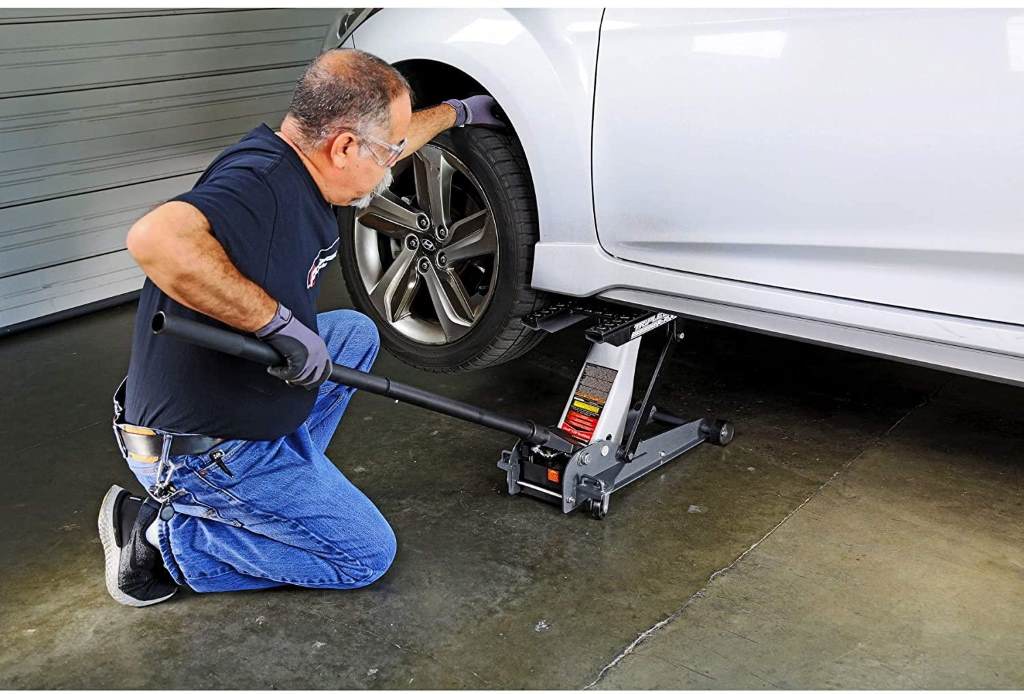
Changing a tire or inspecting your car underside should never feel risky. Yet, many injuries happen each year due to improper use of lifting equipment. According to the National Highway Traffic Safety Administration, thousands of roadside injuries occur annually during basic vehicle maintenance. At the same time, the Occupational Safety and Health Administration reports that improper lifting techniques and unstable support are leading causes of preventable accidents. That is why understanding how to use a car jack safely is not just helpful but essential. This guide walks you through every step in a clear and practical way so you can work with confidence and avoid common mistakes.
What Is a Car Jack and Why Safety Matters
A car jack is a mechanical tool designed to lift a vehicle off the ground. Drivers often use it for tire changes, brake inspections, and emergency roadside repairs. Although it looks simple, incorrect use can lead to serious damage or injury.
Safety matters because a vehicle is heavy and unstable when lifted. Even a small shift can cause it to fall. Therefore, using the right method and understanding weight distribution can prevent accidents. Moreover, following safe lifting practices protects both you and your car.
Types of Car Jacks You Should Know
Before using a car jack, you need to understand the different types available. Each one works differently and suits specific situations.
Scissor Jack
A scissor jack usually comes with your vehicle. It is compact and easy to store. However, it requires manual effort and works best for emergency tire changes.
Hydraulic Bottle Jack
This type uses hydraulic pressure to lift heavy loads. It is strong and efficient. However, it requires stable placement and careful handling.
Floor Jack
A floor jack is common in garages. It offers better stability and easier lifting. Because of its design, it is ideal for frequent maintenance tasks.
Electric Jack
An electric jack operates using your car battery. It reduces physical effort and is convenient for beginners. Still, you must ensure proper setup to avoid errors.
Essential Safety Precautions Before You Start
Preparation plays a major role in safe car jack use. Skipping this step often leads to mistakes.
- Park on a flat, solid surface to prevent shifting
- Engage the parking brake to keep the vehicle steady
- Turn off the engine and remove the keys
- Use wheel wedges or blocks to stop rolling
- Check your car manual for correct lifting points
In addition, always inspect your jack for damage. A faulty tool can fail under pressure. Therefore, taking a few minutes to prepare can save you from serious trouble.
Step by Step Guide to Using a Car Jack Safely
Step 1: Choose the Right Location
Start by selecting a stable and level surface. Avoid slopes, gravel, or soft ground. These surfaces can cause the jack to slip. A concrete driveway works best.
Step 2: Locate the Jack Points
Every vehicle has designated lifting points. These are reinforced areas designed to handle weight. You can find them in your owner manual or near the wheels.
Step 3: Position the Jack Properly
Place the jack directly under the lifting point. Ensure it sits flat and stable. If it tilts, adjust it before lifting. This step ensures even weight distribution.
Step 4: Lift the Vehicle Slowly
Begin lifting the car gradually. Avoid sudden movements. Watch the jack as it rises to ensure it stays aligned. Stop once the tire is off the ground.
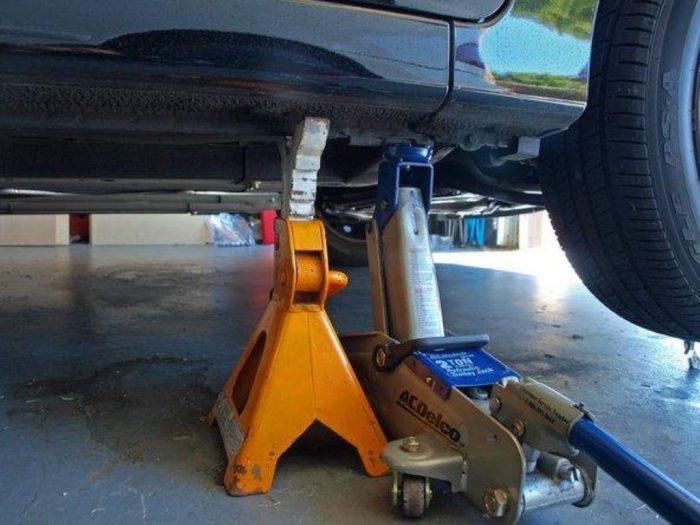
Step 5: Use Jack Stands for Support
Never rely on the jack alone. Place jack stands under the vehicle for extra support. Lower the car slightly onto the stands to secure it.
Step 6: Perform Your Task
Now you can safely change the tire or inspect the vehicle. Keep tools organized and stay alert while working.
Step 7: Lower the Vehicle Carefully
Once done, remove the stands and slowly lower the car. Ensure the area is clear before bringing it down completely.
Common Mistakes to Avoid
Many beginners make avoidable errors that increase risk. Knowing these mistakes helps you stay safe.
- Lifting on uneven ground which causes instability
- Ignoring the correct jack points which damages the car
- Skipping jack stands which increases danger
- Using damaged or low quality tools
- Rushing through the process without checking alignment
Avoiding these mistakes will improve both safety and efficiency.
Safety Tips for Beginners
If you are new to using a car jack, these practical tips will help you feel more confident.
- Always wear gloves to protect your hands
- Keep a flashlight nearby for better visibility
- Practice in a safe environment before an emergency
- Stay focused and avoid distractions
- Double check stability before working under the car
These small habits make a big difference in real situations.
When Should You Use a Car Jack
Understanding when to use a car jack is just as important as knowing how.
You will need a jack when changing a flat tire, inspecting brakes, or rotating tires. It also helps during emergency roadside repairs. However, avoid using it in unsafe conditions such as heavy traffic or unstable ground.
Real Life Example: A Simple Tire Change Scenario
Imagine you are driving on a highway and get a flat tire. You pull over to a safe area and turn on hazard lights. After securing the car with wedges, you place the jack under the correct point. Then, you lift the car slowly and replace the tire.
Because you followed each step carefully, the process stays safe and smooth. This example shows how preparation and knowledge work together.
How to Maintain Your Car Jack
Proper maintenance ensures your jack works when you need it.
- Clean it after each use to remove dirt and debris
- Check for rust or leaks regularly
- Lubricate moving parts for smooth operation
- Store it in a dry place to prevent damage
Taking care of your tools increases their lifespan and reliability.
Conclusion
Learning how to use a car jack safely is a basic but essential skill for every driver. With the right preparation, proper technique, and attention to detail, you can handle common car issues without risk. Always prioritize safety by using stable surfaces, correct lifting points, and support stands. Small steps like these protect you and your vehicle. Start practicing these techniques today so you are ready when it matters most.
FAQs
What is the safest type of car jack for beginners
A floor jack is often the safest option because it offers better stability and control. It is easier to use compared to manual jacks.
Can I use a car jack on uneven ground
No, you should never use a car jack on uneven surfaces. It can shift and cause the vehicle to fall.
Do I always need jack stands
Yes, jack stands provide extra support. They reduce the risk of accidents while working under the car.
How long can a car stay on a jack
A car should not remain on a jack for long periods. Use stands if you need extended support.
Where can I find my car lifting points
You can find lifting points in your vehicle manual. They are usually located near the wheels.


