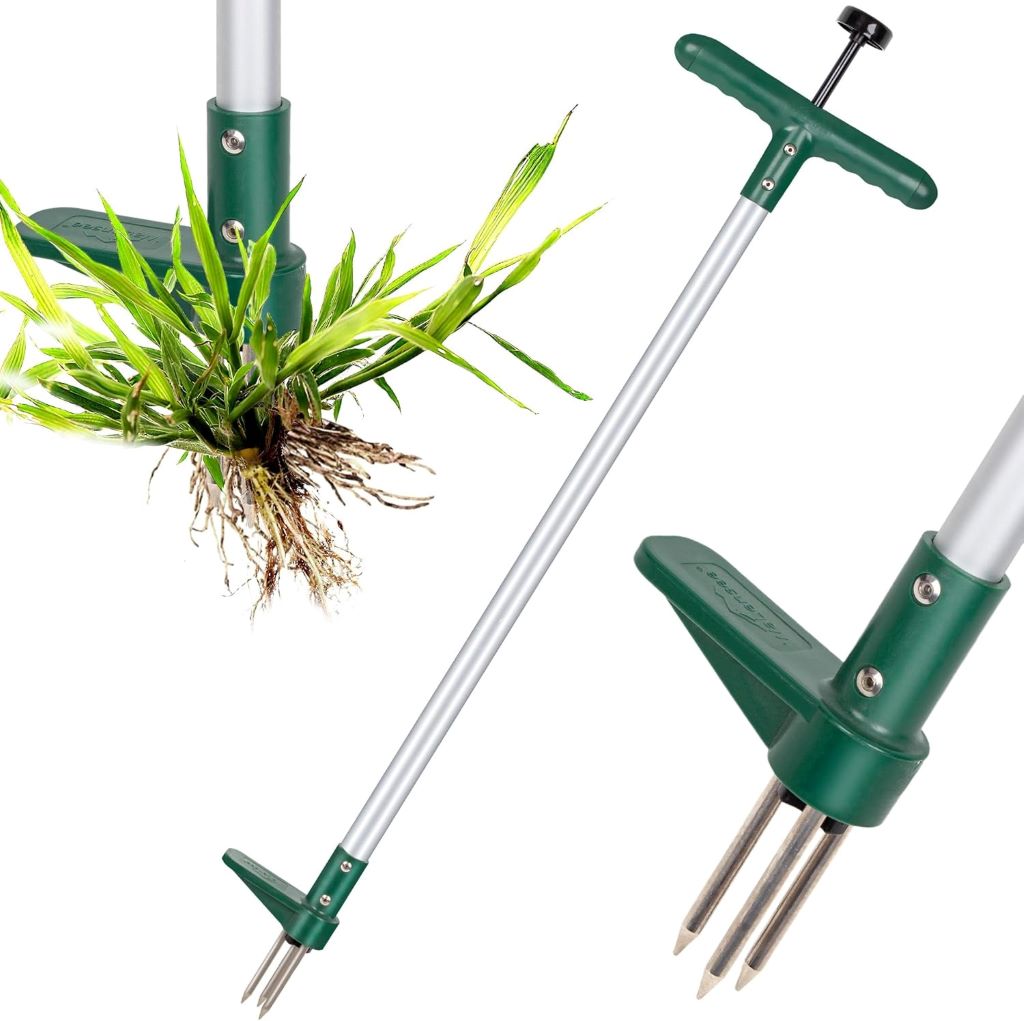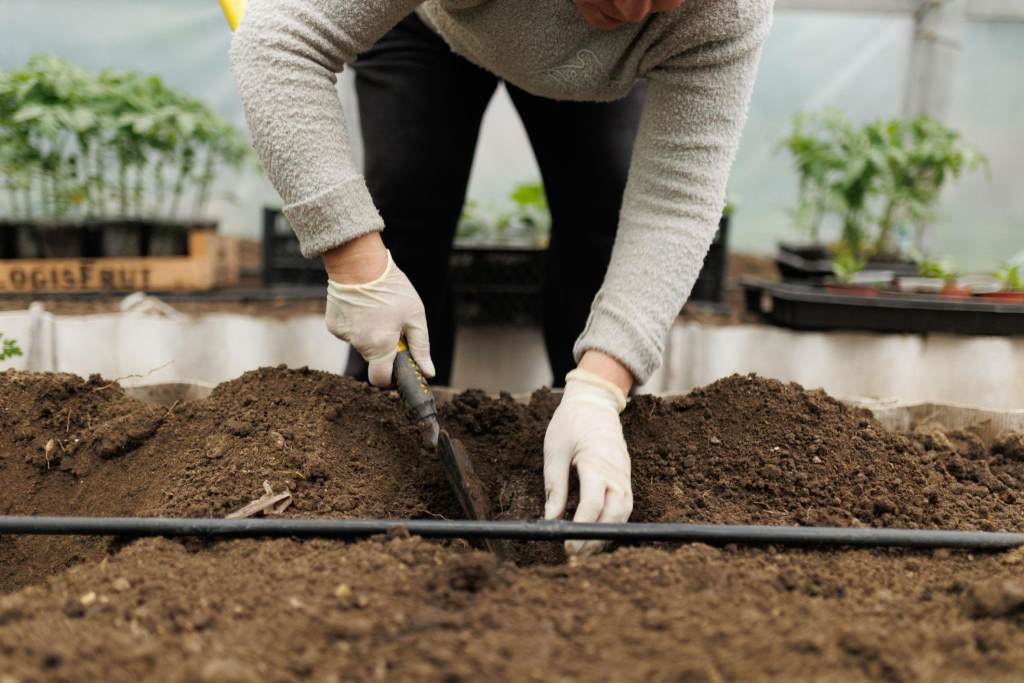
Gardening feels simple at first, yet the tools you choose can make or break your experience. The right equipment saves time, reduces physical strain, and helps plants thrive. According to the United States Department of Agriculture, home gardening has increased by over 25 percent in recent years, especially among first time gardeners. At the same time, research from university extension programs shows that proper tools can improve efficiency by nearly 40 percent.
So, choosing the best tools for gardening is not just about convenience. It directly impacts plant health, soil quality, and long term success. This guide breaks down everything you need to know in a practical, clear way.
Why Choosing the Right Gardening Tools Matters
The tools you use shape your gardening results more than most people realize. Poor quality or incorrect tools can damage plants and strain your body. On the other hand, well chosen equipment improves precision and comfort.
Good tools also help you work faster. For example, a sharp pruner makes clean cuts that heal quickly. Similarly, a sturdy shovel reduces effort when digging compact soil. As a result, you spend less time fixing mistakes and more time enjoying your garden.
In addition, proper tools support long term sustainability. When you maintain soil structure and plant health correctly, your garden becomes easier to manage over time.
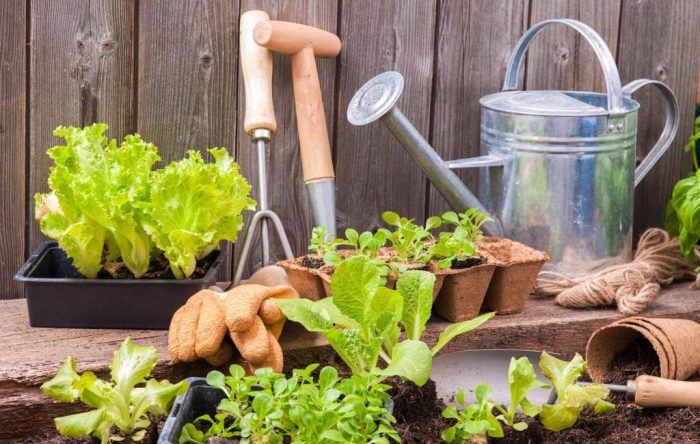
Understanding Your Gardening Needs First
Before buying anything, you need clarity about your garden type. This step prevents unnecessary purchases and ensures you invest wisely.
Consider Your Garden Size
A small balcony garden requires lightweight and compact tools. Meanwhile, a large backyard needs durable and heavy duty equipment. Therefore, always match tool size with your space.
Identify Your Gardening Style
Different gardening methods require different tools.
- Vegetable gardening often needs hoes, trowels, and watering systems
- Flower gardening focuses more on pruning and delicate care
- Landscaping involves digging, leveling, and cutting
Because of this, your tool selection should align with your main activities.
Evaluate Soil Type
Soil conditions also influence your choices. Clay soil requires stronger digging tools. Sandy soil works well with lighter equipment. If you ignore this factor, your tools may wear out quickly.
Essential Gardening Tools Every Gardener Needs
Now let’s break down the must have tools. These form the foundation of any successful garden.
Hand Trowel
A hand trowel is one of the most used tools. It helps with planting, transplanting, and digging small holes.
Look for a comfortable grip and a strong blade. Stainless steel works well because it resists rust and stays sharp longer.
Pruning Shears
Pruning shears help you cut stems and branches cleanly. Clean cuts reduce plant stress and prevent disease.
Choose a model that fits your hand size. This improves control and reduces fatigue during long sessions.
Garden Fork
A garden fork loosens soil and improves aeration. It is especially useful for compact or clay soil.
Strong, sharp tines make the job easier. This tool also helps mix compost into the soil effectively.
Watering Can or Hose
Watering is essential, so reliable equipment matters. A watering can works well for small gardens. A hose suits larger areas.
Consistency is key. Proper watering tools ensure even moisture distribution across plants.
Spade or Shovel
Spades and shovels handle heavy tasks like digging and edging.
- Use a spade for precise cuts and borders
- Use a shovel for moving soil and compost
Choosing the right type improves efficiency and reduces effort.
How to Choose High Quality Gardening Tools
Not all tools offer the same performance. Knowing what to look for helps you avoid poor quality products.
Material Matters
Durable materials increase tool lifespan.
- Stainless steel resists rust
- Carbon steel holds sharp edges longer
- Wooden handles absorb shock better than plastic
Because of this, material quality should always be a priority.
Ergonomic Design
Comfort plays a big role in gardening. Tools with ergonomic handles reduce strain on your hands and wrists.
This is especially important if you garden frequently. Over time, better design prevents injuries and fatigue.
Weight and Balance
Heavy tools can cause fatigue quickly. Lightweight tools improve control and reduce effort.
However, balance matters more than weight alone. A well balanced tool feels natural and easy to use.
Specialized Tools for Advanced Gardening
Once you gain experience, you may need additional tools for specific tasks.
Soil Testing Kits
Healthy soil leads to healthy plants. Soil testing kits help you understand pH levels and nutrients.
With this information, you can adjust soil conditions for better growth.
Wheelbarrow or Garden Cart
Moving soil, compost, or plants becomes easier with a wheelbarrow.
This tool saves time and reduces physical strain, especially in larger gardens.
Drip Irrigation Systems
Efficient watering systems conserve water and improve plant health.
Drip irrigation delivers water directly to roots. This reduces waste and prevents overwatering.
Seasonal Tools You Should Consider
Gardening needs change throughout the year. Seasonal tools help you stay prepared.
Spring Tools
Spring focuses on planting and soil preparation.
- Trowels
- Forks
- Seed spreaders
These tools help you start strong.
Summer Tools
Summer requires maintenance and watering.
- Pruners
- Hoses
- Mulching tools
These tools keep plants healthy during heat.
Fall Tools
Fall is about cleanup and preparation.
- Rakes
- Leaf collectors
- Compost bins
These tools help maintain garden health for the next season.
Winter Tools
Winter tools protect your garden.
- Covers
- Storage equipment
- Tool maintenance kits
Preparation during winter ensures a smoother start in spring.
Common Mistakes to Avoid When Choosing Gardening Tools
Many beginners make avoidable mistakes. Understanding them helps you make smarter decisions.
Buying Too Many Tools at Once
It is tempting to buy everything at the start. However, this often leads to unused equipment.
Instead, begin with essentials and expand gradually.
Ignoring Comfort
Uncomfortable tools make gardening harder. Over time, they can cause pain or injury.
Always test grip and weight before choosing tools.
Choosing Based on Looks Alone
Attractive tools do not always perform well. Functionality matters more than appearance.
Focus on durability and usability instead.
How to Maintain Your Gardening Tools
Proper maintenance extends tool life and improves performance.
Cleaning After Each Use
Remove soil and debris after every session. This prevents rust and buildup.
Sharpening Blades
Sharp tools work better and reduce effort. Regular sharpening keeps them effective.
Proper Storage
Store tools in a dry place. Hanging them prevents damage and keeps them organized.
Regular Inspection
Check for wear and tear. Replace damaged parts before they affect performance.
Tips for Beginners to Build a Tool Collection
Starting small helps you learn what you truly need.
- Begin with basic tools like a trowel and pruners
- Upgrade tools as your skills grow
- Focus on quality over quantity
- Learn proper tool use before expanding your collection
This approach saves time, money, and effort.
Conclusion
Choosing the best tools for gardening is about more than convenience. It directly impacts your efficiency, comfort, and plant health. When you understand your needs, focus on quality, and maintain your tools properly, gardening becomes easier and more enjoyable.
Start with the essentials and build your collection step by step. Pay attention to comfort and durability. Most importantly, use your tools regularly and learn what works best for your space.
Take action today by reviewing your current tools and upgrading where needed. Your garden will reward you with better growth and less effort.
FAQs
What are the most essential gardening tools for beginners
Beginners should start with a hand trowel, pruning shears, a watering can, and a garden fork. These tools cover basic planting, cutting, and soil preparation tasks.
How do I know if a gardening tool is high quality
Check the material, handle comfort, and overall balance. Stainless steel and ergonomic designs usually indicate better quality.
How often should I replace gardening tools
Well maintained tools can last for years. Replace them only when they show significant wear or damage.
Can I use the same tools for all types of gardening
Some tools work across different gardens, but specialized tasks need specific tools. Match your tools with your gardening style.
What is the best way to store gardening tools
Store them in a dry, organized space. Hanging tools on hooks helps prevent damage and keeps them accessible.