A clean cut in your garden is not just about looks. It directly affects plant health, growth speed, and long term strength. According to the United States Department of Agriculture, proper pruning can improve plant structure and reduce disease risk by up to 30 percent. Meanwhile, research from university extension programs shows that incorrect cutting tools often lead to torn bark and slower healing. That is why choosing the right pruning saw matters more than most gardeners think. This guide walks you through how to select a pruning saw that delivers smooth, precise cuts while protecting your plants and saving your effort.
Why Choosing the Right Pruning Saw Matters
Using the wrong saw can damage branches and even weaken the entire plant. A dull or poorly designed blade tears fibers instead of slicing cleanly. As a result, plants take longer to heal and become more vulnerable to pests and diseases.

On the other hand, the right pruning saw creates sharp, controlled cuts. This allows the plant to seal wounds faster. It also reduces physical strain on your hands and arms. Over time, the correct tool improves both your gardening results and your efficiency.
Types of Pruning Saws and Their Uses
Folding Pruning Saw
Folding saws are compact and easy to carry. Many gardeners prefer them for small to medium branches. Because the blade folds into the handle, they offer better safety during storage and transport.
They work best for:
- Branches up to about 3 inches thick
- Quick trimming tasks
- Gardeners who need portability
Fixed Blade Pruning Saw
Fixed blade saws are more robust and stable. They provide better control for heavier cuts. Since the blade does not fold, it stays firm during use.
These are ideal for:
- Thick branches
- Frequent pruning jobs
- Professional level work
Curved Blade Saw
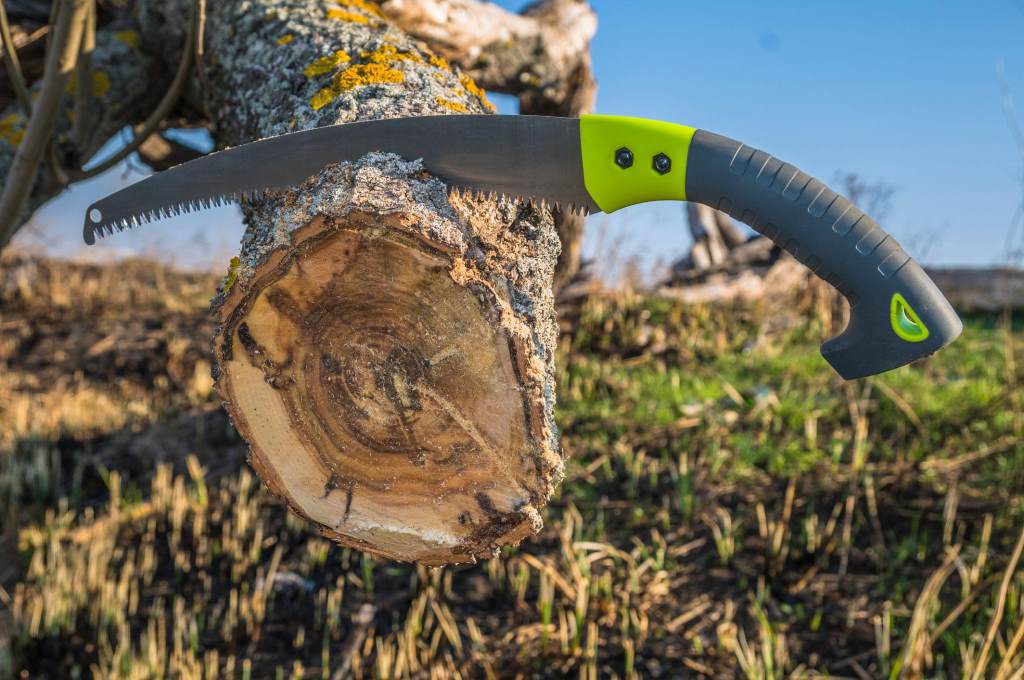
Curved blades improve cutting efficiency by maintaining contact with the wood. They are especially useful for overhead cuts.
Best used for:
- Cutting above shoulder height
- Fast, aggressive cutting
- Green wood
Straight Blade Saw
Straight blades offer precision and control. They are perfect when accuracy matters more than speed.
Use them for:
- Detailed pruning
- Tight spaces
- Dry or hardwood branches
Key Features to Look for in a Pruning Saw
Blade Material and Quality
High quality steel blades stay sharp longer and resist rust. Look for hardened steel or impulse hardened teeth. These materials maintain cutting efficiency over time.
A durable blade reduces maintenance and ensures consistent results. This is especially important for frequent gardeners.
Tooth Design and Configuration
Tooth design determines how smoothly and quickly the saw cuts. Large teeth cut faster but may leave rough edges. Smaller teeth provide cleaner cuts but require more effort.
Consider:
- Coarse teeth for fast cutting
- Fine teeth for precision
- Triple ground teeth for smoother performance
Blade Length
Blade length affects both reach and control. Longer blades cut thicker branches more easily. However, they can be harder to control in tight areas.
General guideline:
- 6 to 8 inches for light pruning
- 8 to 12 inches for medium tasks
- 12 inches and above for heavy duty work
Handle Comfort and Grip
Comfort matters more than many expect. A well designed handle reduces fatigue and improves control. Look for ergonomic shapes with non slip materials.
A secure grip becomes crucial when working for long periods or in wet conditions.
Safety Features
Safety should always be a priority. Folding saws should lock securely in both open and closed positions. Fixed blade saws often include protective sheaths.
These features help prevent accidental injuries and extend tool life.
Matching the Saw to Your Garden Needs
Consider Branch Size
Different saws handle different branch sizes. Choosing the right one ensures efficiency and prevents damage.
- Small branches need lightweight saws
- Medium branches require balanced tools
- Large branches demand longer, stronger blades
Think About Frequency of Use
If you prune occasionally, a simple folding saw may be enough. However, frequent gardeners benefit from durable, high performance tools.
Investing in quality saves time and effort in the long run.
Evaluate Tree and Plant Types
Softwood and hardwood behave differently when cut. Softwood is easier to slice, while hardwood needs sharper, stronger blades.
Understanding your plants helps you choose the right tool for clean cuts.
Common Mistakes to Avoid
Using the Wrong Blade Type
Many gardeners use a single saw for all tasks. This often leads to poor results. Matching the blade type to the job improves both speed and precision.
Ignoring Maintenance
A dirty or dull saw performs poorly. Regular cleaning and sharpening keep the tool effective.
Applying Too Much Force
Let the saw do the work. Excess pressure causes uneven cuts and increases fatigue. Smooth, steady strokes produce better results.
Skipping Safety Practices
Failing to use proper safety measures can lead to injuries. Always secure branches and maintain a stable position while cutting.
Step by Step Guide to Making Clean Cuts
Step 1: Position the Saw Correctly
Start by aligning the blade at the correct angle. This ensures a smooth entry into the wood.
Step 2: Use Gentle Initial Strokes
Begin with light strokes to create a groove. This prevents slipping and improves control.
Step 3: Maintain Steady Motion
Use consistent back and forth movements. Avoid jerky motions that can damage the branch.
Step 4: Finish with Precision
As you complete the cut, reduce pressure. This helps avoid tearing the bark.
Maintenance Tips for Long Lasting Performance
Keeping your pruning saw in good condition extends its lifespan and ensures clean cuts.
- Clean the blade after each use to remove sap and debris
- Dry the saw to prevent rust
- Sharpen the teeth regularly for optimal performance
- Store in a dry, safe place
Consistent maintenance improves cutting efficiency and reduces effort during use.
Benefits of Using the Right Pruning Saw
Choosing the right tool offers several advantages:
- Cleaner cuts that promote faster healing
- Reduced risk of plant disease
- Less physical strain during use
- Improved overall garden appearance
These benefits make proper tool selection a smart investment for any gardener.
Conclusion
Selecting the right pruning saw is not complicated, but it requires attention to detail. The correct blade type, size, and design can transform your pruning experience. Clean cuts protect your plants and improve their growth. At the same time, the right tool makes your work easier and more efficient. Take time to evaluate your garden needs and choose wisely. Start using the right pruning saw today and see the difference in your garden’s health and appearance.
FAQs
What is the best pruning saw for beginners?
A folding pruning saw with a medium length blade works well for beginners. It offers safety, ease of use, and versatility for most garden tasks.
How often should I sharpen my pruning saw?
Sharpen the blade after several uses or when cutting becomes difficult. Regular maintenance keeps the saw efficient and ensures clean cuts.
Can I use a pruning saw for dry wood?
Yes, but choose a saw with finer teeth. This provides better control and smoother cuts on harder wood.
What size pruning saw should I choose?
Select the size based on branch thickness. Smaller blades work for light pruning, while longer blades handle thicker branches more effectively.
Is a curved blade better than a straight blade?
Curved blades cut faster and work well for overhead tasks. Straight blades provide more precision and are better for detailed pruning.