Cutting thick branches can feel risky, especially when you want to protect the health and shape of your plants. The right technique makes a big difference. According to the United States Department of Agriculture, proper pruning improves plant health and can increase growth by up to 25 percent in some species. At the same time, poor cutting methods often lead to disease, decay, and long term damage. That is why learning how to use loppers correctly matters. In this guide, you will learn practical, field tested methods to cut thick branches cleanly while keeping your plants strong and healthy.
What Are Loppers and Why They Matter
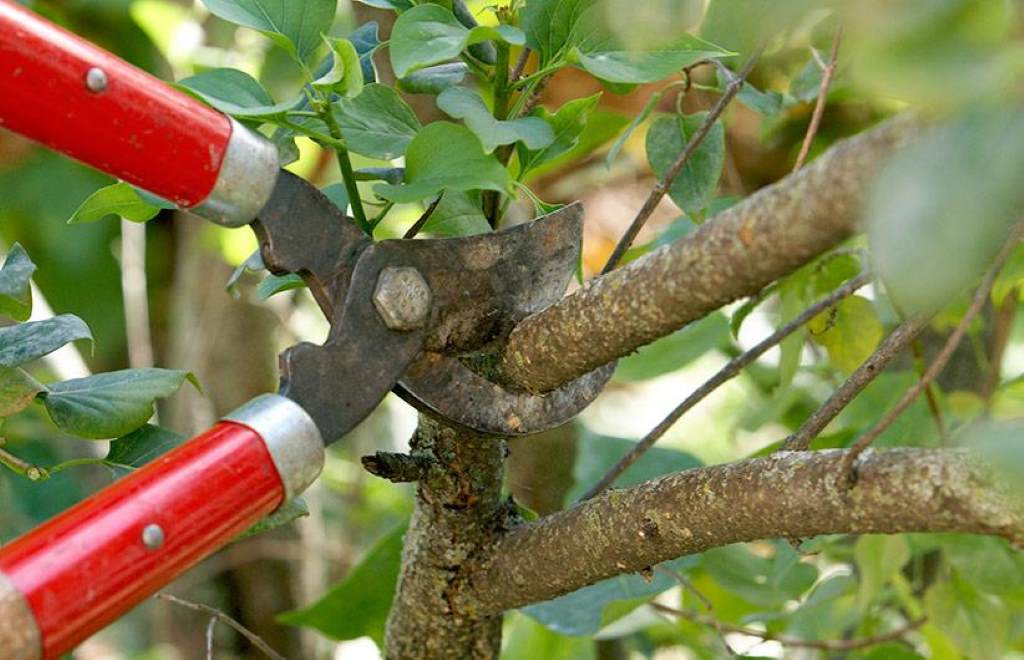
Loppers are long handled pruning tools designed to cut branches that are too thick for hand pruners. Their extended handles give you more leverage, which allows you to apply force without damaging the plant structure.
Unlike saws, loppers create cleaner cuts when used correctly. This reduces stress on the plant and helps wounds heal faster. Clean cuts also reduce the chance of pests and fungal infections entering the plant tissue.
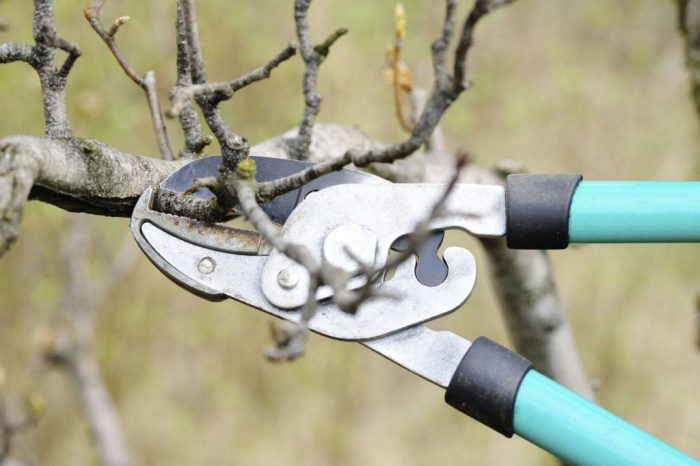
There are two main types of loppers:
- Bypass loppers which work like scissors and make clean cuts on live wood
- Anvil loppers which use a straight blade against a flat surface and work better for dead wood
Choosing the correct type ensures better results and less damage.
Understanding Plant Biology Before Cutting
Before you start cutting, it helps to understand how plants respond to pruning. Every cut creates a wound. Plants heal by forming callus tissue around the cut area.
If the cut is clean and placed correctly, healing happens quickly. However, if the cut is rough or too close to the trunk, the plant struggles to recover. This can lead to decay spreading into healthy tissue.
Focus on these key biological points:
- Plants heal from the outside inward
- The branch collar plays a critical role in healing
- Over cutting weakens plant energy reserves
Understanding this helps you make smarter, safer cuts.
Choosing the Right Loppers for Thick Branches
Not all loppers are built for heavy duty work. Using the wrong tool often leads to crushing instead of cutting.
Look for these features when selecting loppers:
- Sharp hardened steel blades for clean cuts
- Long handles for better leverage
- Comfortable grips to reduce hand fatigue
- Cutting capacity suited for your branch size
Branches thicker than two inches may require a pruning saw. Trying to force loppers beyond their limit can damage both the tool and the plant.
Step by Step Guide to Using Loppers Correctly
Using loppers properly is not just about strength. It is about precision and control.
1. Inspect the Branch
Start by identifying the branch you want to remove. Look for dead, diseased, or overcrowded growth. Always prioritize plant health over appearance.
2. Locate the Branch Collar
The branch collar is the slightly swollen area where the branch meets the trunk. This area contains cells that help the plant heal.
Never cut into the collar. Doing so slows healing and invites disease.
3. Position the Loppers
Place the blade just outside the branch collar. Keep the cutting blade on the side of the plant that will remain. This ensures a cleaner cut.
4. Make a Clean Cut
Apply steady pressure and cut in one smooth motion. Avoid twisting or jerking the tool. A clean cut heals faster and looks better.
5. Use the Three Cut Method for Thick Branches
For heavier branches, follow this method:
- Make a small cut underneath the branch
- Make a second cut from the top slightly farther out
- Finish with a final clean cut near the collar
This prevents the bark from tearing and protects the plant.
Best Time to Cut Thick Branches
Timing plays a key role in successful pruning. Cutting at the wrong time can stress plants and reduce growth.
General guidelines:
- Late winter is ideal for most trees because plants are dormant
- Early spring works for shaping and growth control
- Avoid heavy pruning during extreme heat or frost
Different species have unique needs, so always check plant specific recommendations.
Common Mistakes That Damage Plants
Even experienced gardeners make mistakes. Being aware of them helps you avoid costly damage.
Here are the most common issues:
- Cutting too close to the trunk
- Leaving long stubs that do not heal properly
- Using dull blades that crush branches
- Removing too much at once
- Ignoring plant type and growth cycle
Each of these mistakes slows recovery and increases the risk of disease.
How to Maintain Your Loppers for Better Results
Well maintained tools produce better cuts and last longer. Regular care also reduces effort during pruning.
Follow these simple maintenance steps:
- Clean blades after each use to remove sap and debris
- Sharpen blades regularly for precision cutting
- Oil moving parts to keep them smooth
- Store in a dry place to prevent rust
A sharp tool not only works better but also protects your plants from unnecessary damage.
Safety Tips While Using Loppers
Cutting thick branches requires control and awareness. Safety should always come first.
Important safety tips include:
- Wear gloves to protect your hands
- Use eye protection when cutting overhead branches
- Maintain a stable stance while cutting
- Avoid overreaching to prevent accidents
Taking these precautions ensures a safe and efficient pruning session.
Real World Example: Proper Pruning in Action
A home gardener in California improved the health of a neglected fruit tree using correct lopper techniques. By removing dead wood and thinning crowded branches, the tree showed stronger growth within one season.
Research from university extension programs shows that proper pruning improves sunlight penetration and airflow. This leads to healthier plants and higher yields.
This example highlights how technique directly impacts results.
Conclusion
Using loppers correctly is a simple but powerful skill. Clean cuts, proper timing, and the right technique protect your plants and support healthy growth. Focus on precision instead of force, and always respect the natural structure of the plant. Start applying these methods in your garden today. With practice, you will see stronger, healthier plants and better results every season.
FAQs
What size branches can loppers cut?
Most loppers handle branches up to two inches thick. Larger branches require a pruning saw for clean results.
Should I use bypass or anvil loppers?
Bypass loppers work best for live branches because they create clean cuts. Anvil loppers are better suited for dead wood.
How often should I sharpen loppers?
Sharpen your loppers after several uses or whenever you notice resistance while cutting. Sharp blades reduce plant damage.
Can improper cutting harm plants permanently?
Yes, poor cuts can lead to disease, decay, and slow healing. Over time, this may weaken or kill the plant.
Is it okay to prune during summer?
Light pruning is fine during summer. However, avoid heavy cutting during extreme heat because it stresses the plant.