
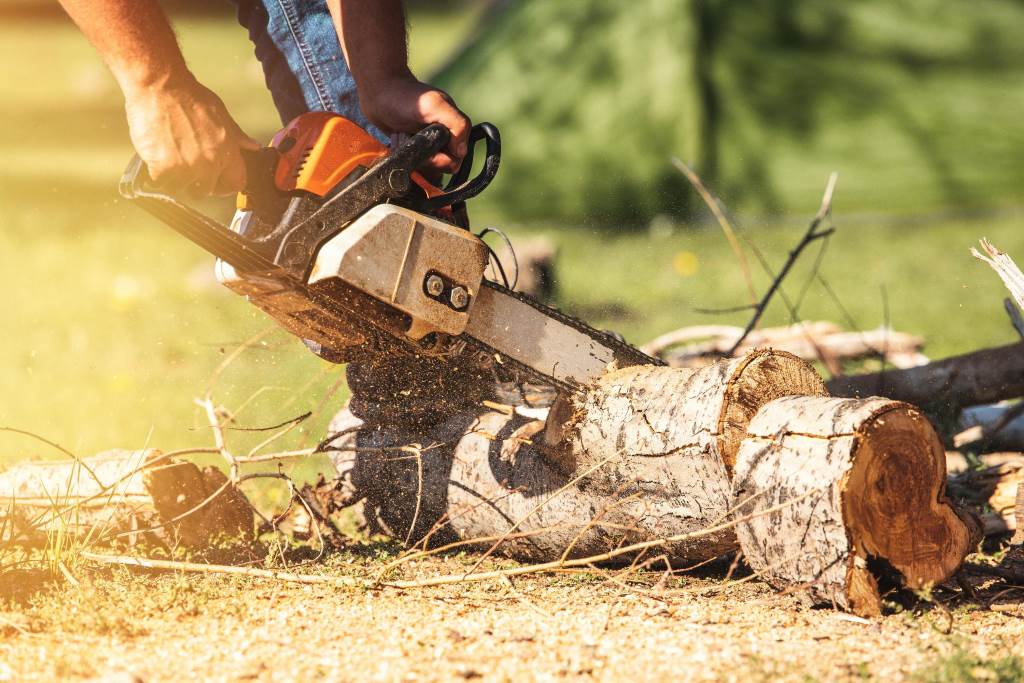
A gas powered chainsaw is one of the most powerful tools for cutting wood, but it can also be dangerous if used incorrectly. According to the U.S. Consumer Product Safety Commission, chainsaws cause tens of thousands of injuries every year in the United States. Don’t fear, if you use it safely, a gas powered chainsaw will boost your tasks. At the same time, the Occupational Safety and Health Administration reports that most accidents happen due to improper handling and a lack of training.
However, when you follow the right safety steps and techniques, a gas powered chainsaw becomes a highly efficient and reliable tool. This guide explains how to use it safely, cut efficiently, and maintain full control during every job.
Understanding How a Gas Powered Chainsaw Works
Before you start cutting, you need to understand how the machine operates. A gas powered chainsaw uses a two stroke engine to drive a chain that rotates around a guide bar. This chain has sharp teeth that cut through wood quickly and efficiently.
Because of this power, even a small mistake can cause serious injury. Therefore, knowing how each part works helps you stay in control. The throttle controls speed, while the chain brake stops movement instantly during kickback.
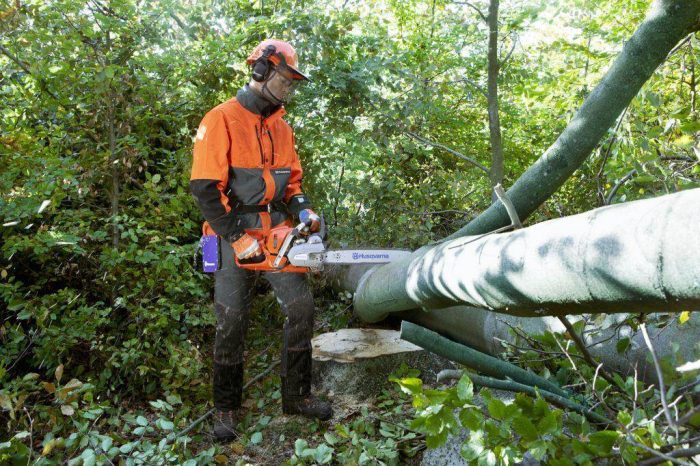
In addition, the guide bar length determines how deep you can cut. Longer bars handle larger logs, but they also require more control. For beginners, a medium length bar offers better balance between power and safety.
Essential Safety Gear You Must Wear
Operating a chainsaw without protective equipment is a major risk. Even experienced users never skip safety gear. Proper protection reduces the chance of severe injury and builds confidence during operation.
Key Protective Equipment
Always wear the following items before starting your chainsaw:
- Helmet with face shield to protect your head and eyes
- Hearing protection to reduce noise damage
- Cut resistant gloves for better grip and protection
- Chainsaw chaps or pants to prevent leg injuries
- Steel toe boots with good traction
Each item plays a specific role. For example, chainsaw chaps contain fibers that can stop the chain instantly if contact occurs. As a result, they can prevent life changing injuries.
Pre Operation Safety Checks
Before starting your chainsaw, always inspect it carefully. Skipping this step increases the risk of malfunction or accidents.
What to Check Before Use
Follow this checklist every time:
- Ensure the chain is sharp and properly tensioned
- Check fuel levels and use the correct mix
- Inspect the chain brake to confirm it works
- Look for loose bolts or damaged parts
- Confirm proper lubrication of the bar and chain
In addition, test the throttle response before cutting. A smooth and responsive throttle ensures better control. If anything feels off, fix it before proceeding.
Safe Starting Techniques
Starting a gas powered chainsaw correctly is critical for safety. Many injuries happen during improper starting.
Proper Starting Method
Always start the chainsaw on the ground. Place it on a flat surface and hold it firmly. Then follow these steps:
- Engage the chain brake
- Place your foot through the rear handle
- Hold the front handle tightly
- Pull the starter cord smoothly
Never attempt a drop start. This method reduces control and increases the risk of injury. Instead, use a stable position that keeps the chainsaw secure.
Correct Cutting Techniques for Efficiency
Efficient cutting is not just about speed. It is about control, precision, and safety.
Best Practices for Cutting
- Maintain a firm two handed grip at all times
- Keep your body balanced and slightly to the side
- Let the chainsaw do the work instead of forcing it
- Cut at full throttle for cleaner results
- Avoid cutting with the tip of the bar
Using the correct technique reduces fatigue and improves cutting accuracy. Moreover, it prevents kickback, which is one of the most dangerous hazards.
Understanding and Preventing Kickback
Kickback happens when the tip of the chainsaw bar touches an object and suddenly jerks upward. This is one of the leading causes of chainsaw injuries.
How to Prevent Kickback
- Avoid using the tip of the bar
- Keep the chain sharp and properly tensioned
- Always use both hands
- Maintain a stable stance
- Engage the chain brake when needed
In addition, modern chainsaws include safety features that reduce kickback risk. Still, technique plays the biggest role in prevention.
Fuel Handling and Maintenance Tips
Gas powered chainsaws require proper fuel management and regular maintenance. Without it, performance drops and safety risks increase.
Fuel Safety Tips
- Use the correct fuel and oil mixture
- Refuel only when the engine is cool
- Store fuel in approved containers
- Avoid spills and wipe any excess fuel
Maintenance Essentials
Regular maintenance ensures long term efficiency:
- Clean the air filter frequently
- Sharpen the chain regularly
- Check spark plugs for wear
- Lubricate moving parts
Proper care not only improves performance but also extends the life of your chainsaw.
Working Environment and Positioning
Your surroundings play a major role in safe operation. Even skilled users can face danger in poor conditions.
Choose a Safe Work Area
- Clear debris and obstacles before cutting
- Maintain a safe distance from others
- Avoid working in extreme weather conditions
- Ensure proper lighting for visibility
Additionally, always plan your cutting path. Knowing where the wood will fall helps you stay out of danger.
Common Mistakes to Avoid
Even experienced users make mistakes. However, avoiding these errors can significantly improve safety.
Frequent Errors
- Using a dull chain
- Cutting above shoulder height
- Operating with one hand
- Ignoring maintenance
- Working while fatigued
Each mistake increases risk. Therefore, staying alert and disciplined is essential.
Conclusion
Using a gas powered chainsaw safely requires preparation, proper technique, and consistent awareness. When you understand how the tool works, wear the right gear, and follow safe practices, you can cut efficiently without unnecessary risk.
Focus on control instead of speed. Maintain your equipment regularly and always respect the power of the tool. Start applying these safety steps today to improve your cutting performance and protect yourself every time you work.
FAQs
What is the safest way to use a gas powered chainsaw?
The safest way involves wearing protective gear, checking the chainsaw before use, and maintaining a firm two handed grip. Proper technique and awareness are also essential.
How often should I sharpen my chainsaw chain?
You should sharpen the chain whenever cutting becomes slow or rough. Regular sharpening improves efficiency and reduces strain on the engine.
Can beginners use a gas powered chainsaw?
Yes, beginners can use it safely with proper training and smaller models. Starting with basic tasks helps build confidence and control.
What causes chainsaw kickback?
Kickback occurs when the tip of the bar touches an object. This causes a sudden upward motion that can be dangerous if not controlled.
How do I maintain my chainsaw for long term use?
Regular cleaning, proper lubrication, and routine inspections help maintain performance. Replacing worn parts also ensures safe operation.


