Why Hands-On Demos Matter in January
Midwest Tool Expo 2027 takes place from January 28 to January 30, 2027. Over three days, makers, dealers, and buyers gather to see what is new in the tool world. However, the best part of the event is not the booth displays. It is the chance to watch real equipment do real work.
A spec sheet tells you what a tool claims to do. A live demo shows what it actually does. That gap matters when you spend serious money. Therefore, many visitors build their whole trip around the demo schedule.
This guide covers the product demonstrations and live equipment shows you can expect. It explains the main demo types, shows how to plan your three days, and offers tips for every session. Additionally, a full FAQ section follows the conclusion.
What Live Demonstrations Give You
Reading reviews helps. Watching a tool cut, drill, weld, or measure helps more. Live demos give you three clear benefits.
You See Performance in Real Time
A demo shows speed, noise, vibration, and finish quality. You can judge how a saw handles dense hardwood. You can watch a cordless driver sink long screws without slowing down. Moreover, you see how the operator sets up the tool, which tells you how easy it is to learn.
You Talk Directly With Experts
Demo staff often include product engineers and trained technicians. They answer detailed questions on the spot. For example, you can ask about blade life, motor service, or warranty terms. As a result, you leave with facts instead of guesses.
You Compare Brands in One Place
Online research means opening dozens of tabs. At the expo, rival brands sit within a short walk of each other. Consequently, you can watch two machines run the same task on the same day. That kind of comparison is hard to find anywhere else.
Types of Demos You Can Expect
Exhibitors plan their demos around the way people use tools. Expect a wide mix of trades and budgets. The table below lists common demo categories. Note that exhibitor lineups can change, so confirm details on the official schedule.
| Demo Category | What You Will See | Who Benefits Most |
| Power tools | Drills, saws, grinders, and sanders cutting real material | Contractors, remodelers, and DIY builders |
| Cordless platforms | Shared batteries running many tools, plus fast-charge tests | Crews that plan to switch battery brands |
| Hand and measuring tools | Wrenches, levels, lasers, and precision gauges | Tradespeople, inspectors, and machinists |
| Welding and metalwork | Welders, plasma cutters, and sample beads | Fabricators and repair shops |
| Woodworking machines | Table saws, planers, and dust collection at work | Cabinet makers and serious hobbyists |
| CNC and automation | Routers and mills running programmed jobs | Shops that want to automate |
| Safety gear | Gloves, eye protection, and fall protection fit checks | Safety managers and site leads |
| Shop storage and workholding | Benches, clamps, vises, and tool chests | Shop owners and garage builders |
Power Tool Demonstrations
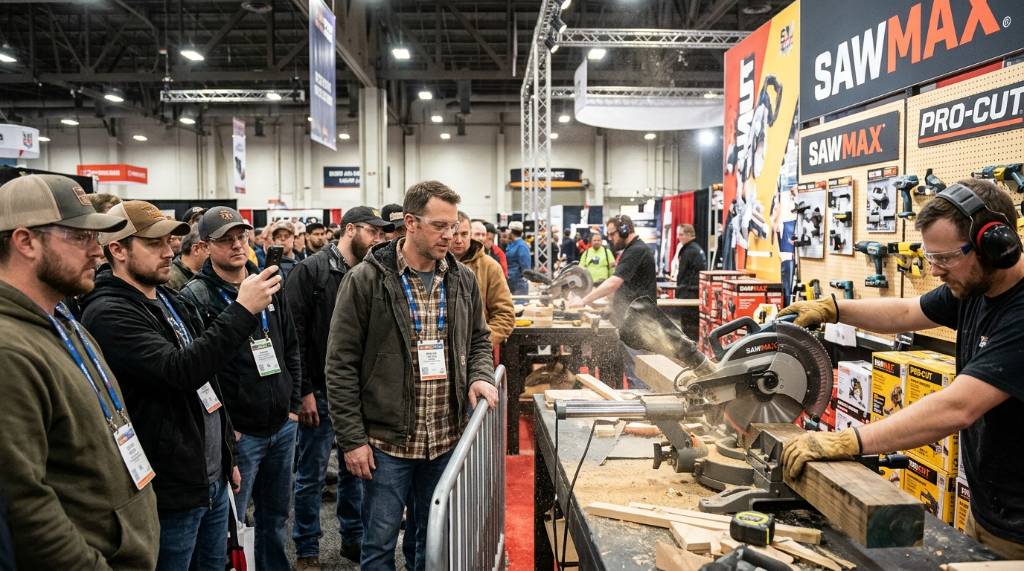
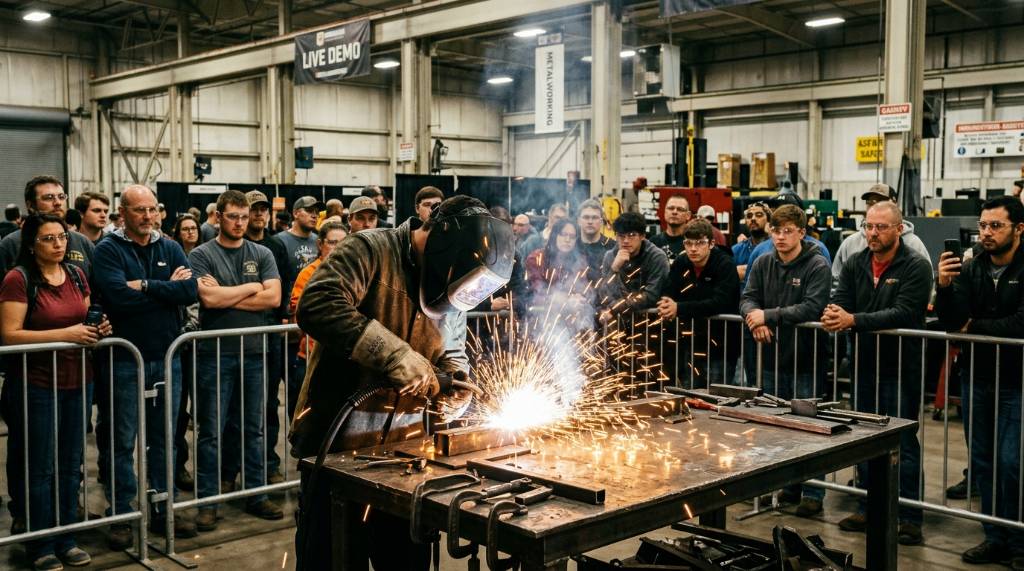
Power tool stages draw the biggest crowds. Visitors watch grinders throw sparks and saws glide through lumber. Additionally, many brands run torture tests. These tests push a tool to its limits so you can judge durability.
Cordless and Battery Systems
Battery platforms have changed job sites. Demos show runtime, charge speed, and power under load. However, a battery system is a long-term choice. Therefore, ask about tool range, battery cost, and upgrade plans before you commit.
Metalworking and Fabrication
Welding and cutting demos show skill and equipment working together. You see arc quality, cut edges, and cleanup time. Furthermore, some exhibitors let you try the torch or trigger yourself when safety rules allow.
Precision and Automation
CNC and automation demos run longer jobs. Watch for setup time, accuracy, and how easily the operator changes programs. In addition, ask about training and support. A great machine still needs a confident operator.
Plan Your Three Days at the Show
A little planning makes a big difference. Three days sounds like plenty. Yet the floor is large, and the best sessions fill up fast. The table offers a simple starting plan.
| Day | Date | Suggested Focus |
| Day 1 (Thursday) | January 28, 2027 | Walk the full floor, mark must-see demos, and attend big-machine shows |
| Day 2 (Friday) | January 29, 2027 | Compare brands, ask detailed questions, and meet suppliers |
| Day 3 (Saturday) | January 30, 2027 | Revisit favorites, test tools by hand, and request quotes |
Adjust this plan to fit your goals. Contractors may prefer to test tools early. Shop owners may want extra time with machinery.
Before You Arrive
- Review the demo schedule and mark your top five sessions.
- List the tools you plan to replace in the next year.
- Write down questions on price, service, and warranty.
- Bring a notebook or phone for photos and notes.
- Wear comfortable shoes, since you will walk a lot.
While You Are at the Show
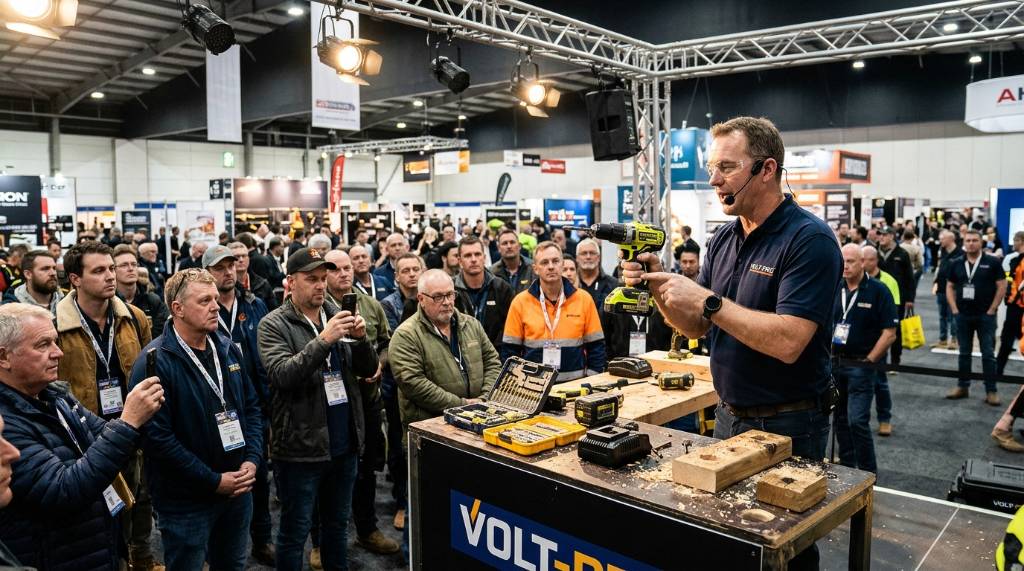
Arrive early for popular demos. Stand near the front so you can see the cutting action and hear the staff. Take notes right after each session. Otherwise, the details blur by lunchtime.
Also, pace yourself. Visit one area at a time and rest between demos. Drink water and keep your schedule flexible, because good conversations often run long.
After the Show
Follow up within a week. Email the contacts you met and request written quotes. Then compare your notes against your budget. Consequently, you make buying choices while the demos are still fresh.
How to Choose Which Demos to Attend
You cannot see everything. Therefore, rank sessions by impact. Start with tools you plan to buy soon. Next, pick demos that show new technology you do not know yet. Finally, add a few wildcard sessions for fresh ideas.
Small shops should focus on tools that boost daily output. Larger crews might look at fleet-wide platforms and safety gear. Either way, a clear list keeps you from drifting.
Questions to Ask at Every Demo
Good questions turn a show into research. The table groups them by topic.
| Topic | Sample Question |
| Performance | How does this tool handle my hardest daily task? |
| Durability | Which parts wear out first, and how long do they last? |
| Cost | What is the full price, including batteries, blades, and accessories? |
| Service | Where is the nearest repair center, and how fast is turnaround? |
| Warranty | What does the warranty cover, and what voids it? |
| Training | Does the maker offer setup help or operator training? |
| Upgrades | Will this model work with future accessories? |
Write the answers down. Additionally, ask the same questions at each booth so you can compare fairly.
Tips for Getting More From Every Demo
A demo is a short window. Use it well with these habits.
- Ask to try the tool yourself whenever safety rules allow.
- Request the same task on two competing machines.
- Ask what the demo leaves out, such as long-term wear.
- Check weight, grip, and balance in your own hands.
- Ask about spare parts, service centers, and repair times.
- Photograph model numbers so you can find them later.
However, stay alert to sales pressure. Show specials can be good, yet a rushed decision rarely is. Sleep on big purchases. Most offers hold until the last day anyway.
Safety and Etiquette at Demo Stages
Live equipment carries real risk. Exhibitors set clear rules, and visitors should follow them. Stay behind marked lines. Wear the eye and ear protection that staff offer. Never touch a running tool without permission.
Courtesy matters too. Let others see, keep questions short during a crowded session, and save long talks for afterward. Therefore, everyone gets a fair view and a fair chance to ask.
Finally, respect the staff’s time. Demo teams repeat the same routine many times a day. A friendly greeting and a clear question go a long way. In return, you often get honest advice, useful tricks, and a few tips that never appear in a manual.
Learn More Than Tool Specs
Demos often come with extra learning. Many exhibitors share techniques, shop-setup ideas, and safety habits. Watch how pros hold a tool, feed material, and keep a clean cut. These small details can improve your own work right away.
Networking adds more value. You meet other tradespeople, shop owners, and suppliers. They share which tools hold up on real jobs. Therefore, a chat in the aisle can save you from a costly mistake.
Why Exhibitors Value Live Shows
Demonstrations help sellers as much as buyers. A live run builds trust faster than any brochure. Exhibitors also hear honest feedback, so they learn what users want. Additionally, they collect leads from people who have already seen the product work. For small makers, a strong demo can open dealer partnerships that might take months to win otherwise.
Smart Ways to Compare Tools After the Show
Excitement fades quickly. Notes keep the facts. Build a simple scorecard when you get home. Rate each tool on power, comfort, price, service, and fit with your work. Then add up the scores.
Next, weigh the scorecard against your budget and your shop. A tool that wins the demo but needs costly accessories may not be the best deal. Likewise, a cheaper tool with poor service can cost more over time. Consequently, think about total cost, not sticker price.
Trends to Watch on the Demo Floor
Tool design moves fast. Demos give you an early look at what is changing. Watch for these three themes.
Smarter, Connected Tools
Many brands now add sensors and apps to their tools. Demos may show tool tracking, usage data, and saved settings. However, ask whether those features work without a paid subscription.
Better Dust and Noise Control
Good dust control keeps shops cleaner and lungs healthier. Watch how well an extractor captures debris during a cut. Additionally, compare noise levels, since quieter tools reduce fatigue over a long day.
Stronger Safety Features
Modern tools often include brakes, guards, and sensors that stop a blade fast. Ask staff to show each feature at work. These systems protect your hands, so they deserve close attention.
Set a Budget Before You Walk In
Shows are exciting, and excitement raises spending. Therefore, set a budget first. Decide how much you can spend in each category. Keep a small reserve for batteries, blades, and accessories.
Additionally, ask about financing, trade-ins, and bundle deals. These options can lower your upfront cost. Still, compare the final price on paper before you agree to anything.
What to Bring and Wear
The right gear keeps you comfortable and ready to learn. Pack light, but pack smart.
- Closed-toe shoes with good support.
- A light bag for brochures and samples.
- Business cards for quote requests.
- A portable phone charger.
- Ear plugs for loud demo areas.
- Model numbers of the tools you use now.
That last item helps more than you might think. Staff can match your current tool to a better option much faster. As a result, you spend less time explaining and more time learning.
Tips for Teams and Groups
Visiting with coworkers? Split up and cover more ground. Give each person a category, such as power tools, safety gear, or machinery. Then meet at set times to share notes.
This approach saves hours. Moreover, it brings several opinions to each choice. Consequently, your team agrees faster and buys with more confidence.
Conclusion
Midwest Tool Expo 2027 offers three days of hands-on learning from January 28 to January 30, 2027. The product demonstrations and live equipment shows turn claims into proof. You see performance, meet experts, and compare brands in one place.
To make the most of it, plan your days, rank your demos, and ask sharp questions. Stay safe, take notes, and follow up fast. Therefore, you will leave with confident buying choices and fresh ideas for your work. Mark your calendar and get ready to watch great tools in action.
Frequently Asked Questions
1. When is Midwest Tool Expo 2027?
The event runs from January 28 to January 30, 2027. That covers Thursday, Friday, and Saturday.
2. What kinds of demonstrations will I see?
Expect power tools, cordless systems, hand and measuring tools, welding, woodworking machines, CNC equipment, and safety gear. Exhibitor lineups can change, so check the official schedule.
3. Can I try the tools myself?
Many exhibitors let visitors test tools under staff supervision. However, rules differ by booth and by machine, so always ask first.
4. Do I need to register before I go?
Entry rules can change from year to year. Therefore, check the official event website for current registration and ticket details.
5. Who should attend?
Contractors, tradespeople, shop owners, buyers, dealers, students, and serious hobbyists all gain value. Anyone who buys or uses tools can learn something.
6. How much time should I plan for the show?
One day covers the highlights. However, two or three days give you time to compare brands, revisit favorites, and talk with experts.
7. Are the demos suitable for beginners?
Yes. Many demos start with basic setup and safe use. Beginners can ask staff to explain each step in simple terms.
8. What should I bring?
Bring a notebook or phone, a list of questions, a charger, and comfortable shoes. Additionally, carry a bag for brochures and business cards.
9. Can I buy tools at the show?
Some exhibitors offer show specials or take orders on site. Policies vary, so confirm pricing, warranty, and delivery terms with each seller.
10. How do I find the demo schedule?
Look on the official event website or app, or ask at the information desk. Many exhibitors also post session times at their booths.