Every winter, tool lovers across the country head to Indiana for one of the biggest tool shows in the region. The Midwest Tool Expo runs January 28 to 30, 2027, at the Michiana Event Center in Shipshewana. More than 430 vendors fill the floor, and several auction rings run at the same time. However, a show this large can feel overwhelming. Therefore, a clear plan helps you save time and money.
This guide shows you which tools and equipment deserve your attention. Additionally, it explains what to compare, what to ask, and how to avoid common mistakes. Whether you run a job site, manage a shop, or build projects at home, you will find useful ideas below.
Why the 2027 Show Deserves a Spot on Your Calendar
The show has grown for about twenty years. Past editions drew around 10,000 visitors, according to local reports. Vendors travel from across the Midwest and beyond. Consequently, you can compare many brands in one building instead of driving to a dozen stores.
The event page lists hours of 9 am to 5 pm for January 28. Hours can change, so check the official website before you travel. Also, the expo shares the venue with a health and wellness show, which gives family members something to enjoy while you shop.
Power Tools and Cordless Systems
Cordless Drills and Impact Drivers
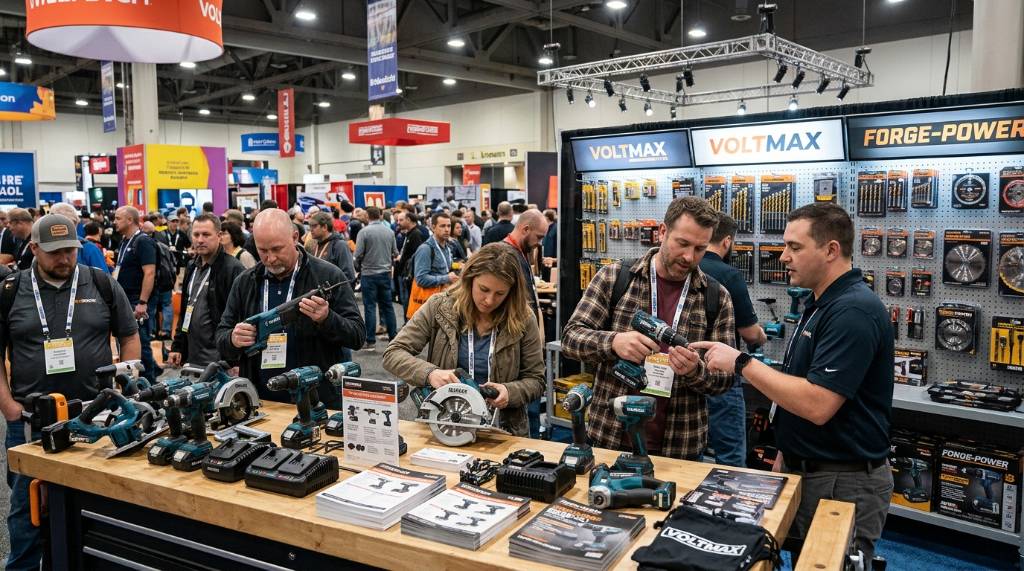
Cordless drills top most shopping lists. Look for brushless motors first. They run cooler, last longer, and waste less battery power. Next, check torque and speed settings. A good drill offers at least two speed ranges. Also, test the grip. A tool that feels heavy in the booth will feel worse after an hour of work.
Impact drivers deserve the same attention. They drive long screws and lag bolts with ease. Therefore, many pros carry both a drill and a driver. Ask vendors about combo kits, because bundles often cost less than single tools.
Saws That Handle Real Work
Circular saws, reciprocating saws, and miter saws appear at nearly every show. Compare blade capacity, bevel range, and dust ports. Additionally, ask about blade brakes and built-in lights. These features improve safety and accuracy.
Cordless saws have improved a lot. Many now match corded models for cutting power. However, runtime still matters. Ask how many cuts a single battery makes in thick lumber.
Battery Platforms and Chargers
Battery choice shapes your tool budget for years. Pick one platform and stay with it. Check whether the brand offers a wide range of bare tools, since bare tools cost less when you already own batteries. Moreover, look at fast chargers and high-capacity packs. A strong charger keeps two batteries cycling all day.
Hand Tools That Last a Lifetime
Wrenches, Pliers, and Screwdrivers
Hand tools still form the base of every toolbox. Look for forged steel, tight tolerances, and comfortable handles. Lifetime warranties add value, but read the terms first. Some cover only manufacturing defects.
Ratcheting wrenches save time in tight spaces. Likewise, insulated screwdrivers protect electricians. Compare tooth counts on ratchets. A higher count means a smaller swing arc, which helps in cramped engine bays and cabinets.
Woodworking Hand Tools
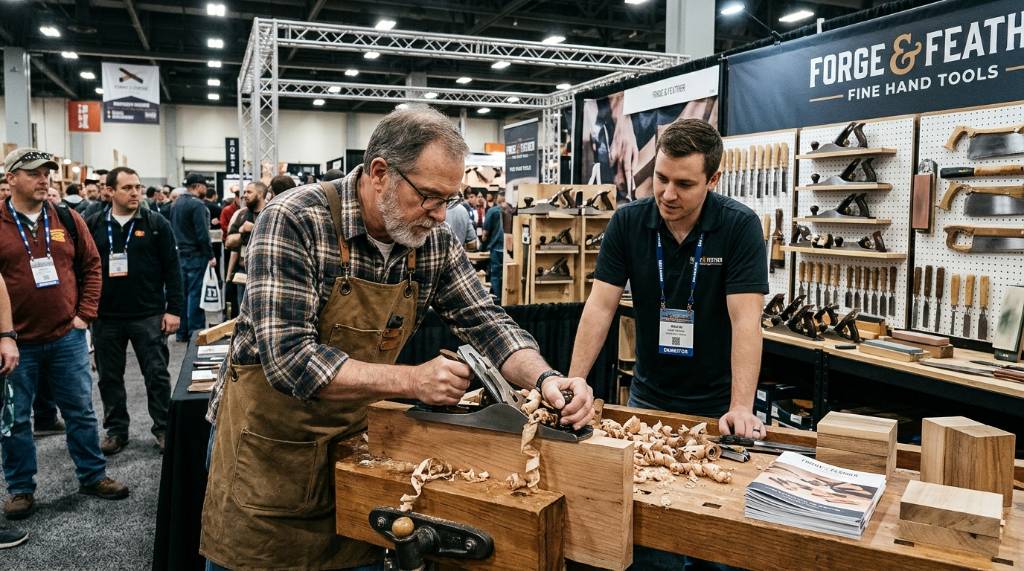
The show attracts many woodworkers. Therefore, expect chisels, planes, saws, and carving tools. Test edge quality by checking how the steel holds a sharp bevel. Ask about sharpening, too. A tool that stays sharp longer saves you hours at the bench. Small makers often sell here, so you may find handmade pieces you cannot buy online.
Measuring and Layout Tools
Accurate work starts with accurate measuring. Look at laser measures, digital calipers, squares, and levels. Laser levels have become affordable, and many now include green beams that show up well in daylight. Check range, accuracy, and battery life.
Additionally, bring a tape measure and check a vendor’s square against your own. A square that sits off by a hair will ruin a cabinet. Vendors usually welcome this test.
Workshop Machinery and Shop Equipment
Table Saws, Band Saws, and Planers
Stationary machines anchor any shop. Table saws need a flat top, a solid fence, and a reliable riving knife. Newer models include flesh-sensing safety systems. Ask for a demonstration and compare the cost of replacement cartridges.
Band saws and planers help with resawing and milling. Check motor power, table size, and ease of blade changes. Furthermore, ask about parts support. A machine without parts turns into expensive scrap.
Dust Collection and Air Quality
Dust harms lungs and slows work. Look for cyclone separators, HEPA filters, and quiet motors. Small shops often do well with a compact collector and a wall-mounted air cleaner. Therefore, compare airflow ratings and hose sizes rather than just price.
CNC and Digital Fabrication
Desktop CNC routers and laser engravers grow more popular each year. Beginners should look for simple software, strong support, and clear safety guides. Ask what materials the machine cuts and how large the work area is. Moreover, request a live cut. Watching a real project tells you more than any brochure.
Metalworking, Welding, and Air Tools
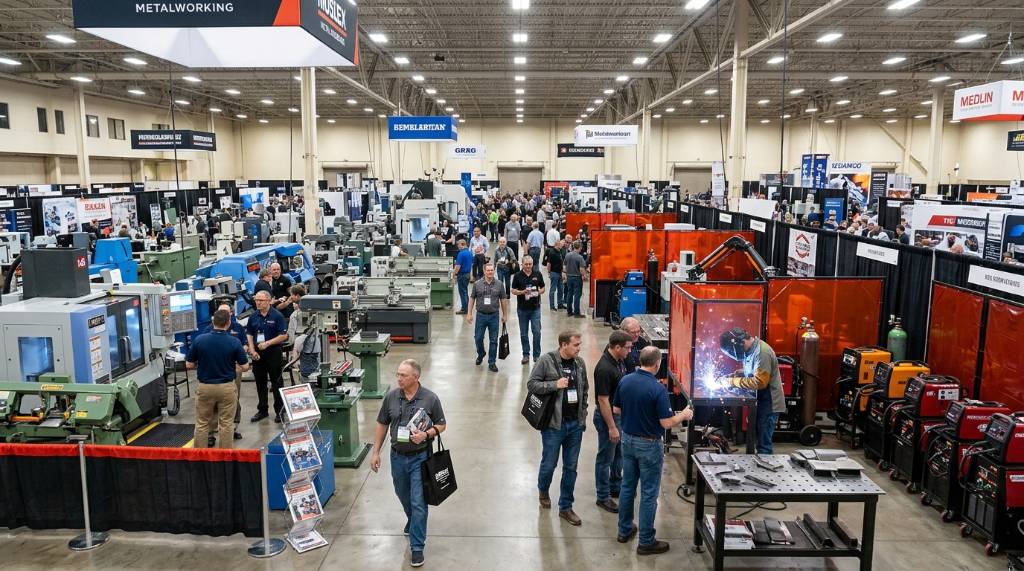
Welders, plasma cutters, and compressors draw steady crowds. For welders, check duty cycle, input voltage, and wire feed quality. Multi-process machines handle MIG, TIG, and stick welding in one unit. That flexibility suits small shops.
Air compressors vary widely. Compare tank size, pressure, and noise. A quiet pancake model works for trim work. However, a larger two-stage unit suits body shops and busy job sites. Also look at hoses, fittings, and air tools such as nailers and sanders.
Construction and Trade Equipment
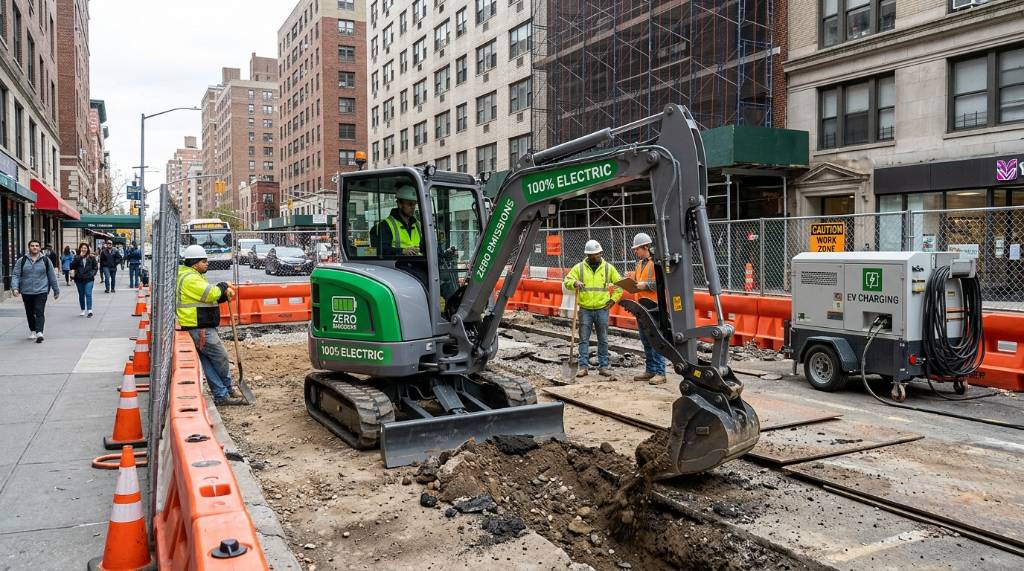
The expo also serves builders and contractors. Expect ladders, scaffolding, generators, jobsite radios, and work lights. Generators deserve careful review. Compare running watts, fuel type, and noise levels. Inverter models run quieter and protect sensitive electronics.
Additionally, check the work lights. LED models now offer long runtimes and bright, even beams. Look for sturdy stands, tough lenses, and battery compatibility with your other tools.
Safety Gear You Should Not Skip
Good tools mean little without good protection. Shop for safety glasses with anti-fog coatings, hearing protection with comfortable cushions, and respirators rated for fine dust. Cut-resistant gloves and steel-toe boots also belong on your list.
Moreover, look at first aid kits and fire extinguishers sized for a shop. These items cost little. Yet they prevent serious harm. Therefore, treat them as essential, not optional.
Tool Storage and Organization
A tidy shop works faster. Browse rolling tool chests, wall systems, and modular cases. Look for ball-bearing drawer slides, strong locks, and heavy-gauge steel. Stackable cases let you move tools between the shop and the truck.
Ask about weight ratings. A cheap drawer may sag under a full set of sockets. Also, measure your space before you go. Bring those numbers with you so you buy the right size.
Smart Tools and New Technology
Technology keeps changing the trade. Many cordless tools now link to phone apps. These apps track battery health, adjust settings, and help deter theft. Bluetooth tags let you find lost tools. Additionally, rechargeable work lights and jobsite speakers keep improving.
Ask vendors about firmware updates and app support. A smart feature helps only when the maker keeps supporting it.
Best Picks for Beginners and Homeowners
New buyers often feel lost at a big show. Start small. A quality drill, a set of hand tools, a stud finder, and a good level cover most home projects. Choose lighter tools with clear manuals. Additionally, look for starter kits that include a case and extra batteries.
Ask vendors to explain the difference between budget and premium models. Often, the extra cost buys better motors, longer warranties, and easier repairs. However, you do not always need the top model. Match the tool to the job, and you will spend wisely.
Best Picks for Contractors and Shop Owners
Professionals need tools that survive daily abuse. Therefore, prioritize durability, service networks, and fast parts delivery. Ask whether the maker offers jobsite repair or loaner tools. Downtime costs more than most purchase prices.
Fleet pricing also matters. If you buy several tools, ask for a package deal. Many vendors give better rates on larger orders, especially at a show. Moreover, standardizing on one battery brand keeps your crew simple and efficient.
Quick Comparison Table
Use this table as a pocket guide while you walk the aisles.
| Category | What to Check | Best For |
| Cordless drills and drivers | Brushless motor, torque, battery platform | Homeowners, contractors |
| Saws | Blade capacity, dust port, runtime | Carpenters, remodelers |
| Hand tools | Forged steel, warranty, grip | Everyone |
| Measuring tools | Accuracy, range, build quality | Builders, woodworkers |
| Stationary machines | Motor power, fence, parts support | Shop owners |
| Dust collection | Airflow, filter rating, noise | Woodworkers |
| Welders and compressors | Duty cycle, tank size, noise | Metal shops, garages |
| Safety gear | Fit, ratings, comfort | Every visitor |
| Storage | Drawer slides, weight rating, locks | Shops, trucks |
| Smart tools | App support, updates | Tech-minded users |
Auction Strategy for Smart Buyers
Auctions add excitement, but they also add risk. Arrive early and inspect each lot before bidding starts. Test power tools if the staff allows it. Look for cracked housings, worn cords, and missing guards. Decide your top price for every item before the calls begin.
Moreover, remember buyer fees and sales tax. They raise your final cost. If a price climbs past your limit, let the item go. Another good deal will come along.
Several rings sell at once. Therefore, pick the rings that match your interests and map your route. A friend can help by watching a second ring while you check the first.
How to Plan Your Visit
Before You Go
- Set a budget for each tool category.
- Write a short list of must-have items.
- Check the official site for hours, tickets, and seminar times.
- Book lodging early, since rooms in Shipshewana fill fast.
- Pack cash, a tape measure, and a notebook.
At the Show
Arrive early. Crowds grow by midday, especially on auction days. Walk the whole floor once before you buy. Then return to the best deals. Take photos of price tags and booth numbers. Additionally, ask every vendor about warranty, return policy, and local service.
Wear comfortable shoes. The venue is large, and you will walk for hours. Bring a wagon or a foldable cart if you plan to buy heavy items.
Seminars and Demonstrations
Seminars add real value. You can learn new techniques, hear industry advice, and ask experts direct questions. Therefore, check the schedule and plan your day around the talks that matter most to you.
Stretching Your Budget
Tools range from a few dollars to many thousands. Split your money into three groups. First, cover safety gear and core tools. Second, add one upgrade that improves your daily work. Third, keep a small fund for surprise finds. This method prevents impulse buying.
Additionally, ask about financing for large machines, but read the terms with care. Also, compare the show price with online prices on your phone. Sometimes the booth wins. Sometimes it does not. Either way, you decide with facts.
Smart Buying Tips
- Compare at least three brands before you buy.
- Ask for show-only discounts and bundle deals.
- Check return policies for items you win at auction.
- Confirm that parts and batteries stay available.
- Keep every receipt and warranty card.
Conclusion
The Midwest Tool Expo gives you a rare chance to see, touch, and compare thousands of tools in one place. From January 28 to 30, 2027, you can test cordless systems, inspect hand tools, and study shop machines. Additionally, you can learn from seminars and chase deals at the auctions.
To get the most from your visit, set a budget and make a short list. Focus on safety gear, battery platforms, and parts support. Furthermore, inspect every auction item with care and stick to your limit. Finally, ask questions at every booth. With a plan in hand, you will leave with better tools and more confidence.
Frequently Asked Questions
1. When is the Midwest Tool Expo in 2027?
The show runs from January 28 to 30, 2027. Check the official website for daily hours.
2. Where does the show take place?
It takes place at the Michiana Event Center, 455 E Farver Street, Shipshewana, Indiana.
3. How many vendors attend?
Event listings mention more than 430 vendors, plus several auction rings that sell at the same time.
4. Does the show include an auction?
Yes. Listings describe auction rings that sell tools, construction equipment, and business items.
5. How much does admission cost?
Earlier shows charged a small fee, and young children entered free. Confirm current prices on the official site.
6. What is the best day to visit?
Go on the first day for the widest selection. However, auction days draw the biggest crowds, so arrive early.
7. Can beginners enjoy the show?
Yes. Vendors explain their products, and seminars teach basic skills. Beginners can compare budget and premium tools side by side.
8. What should I bring?
Bring cash, a card, a tape measure, a notebook, and comfortable shoes. A foldable cart helps with heavy purchases.
9. Are there seminars?
Yes. Listings mention seminars during the show. Check the schedule before you go and plan around the topics you want.
10. Is there something for non-tool fans?
Yes. A health and wellness expo shares the venue, so family and friends can browse while you shop.