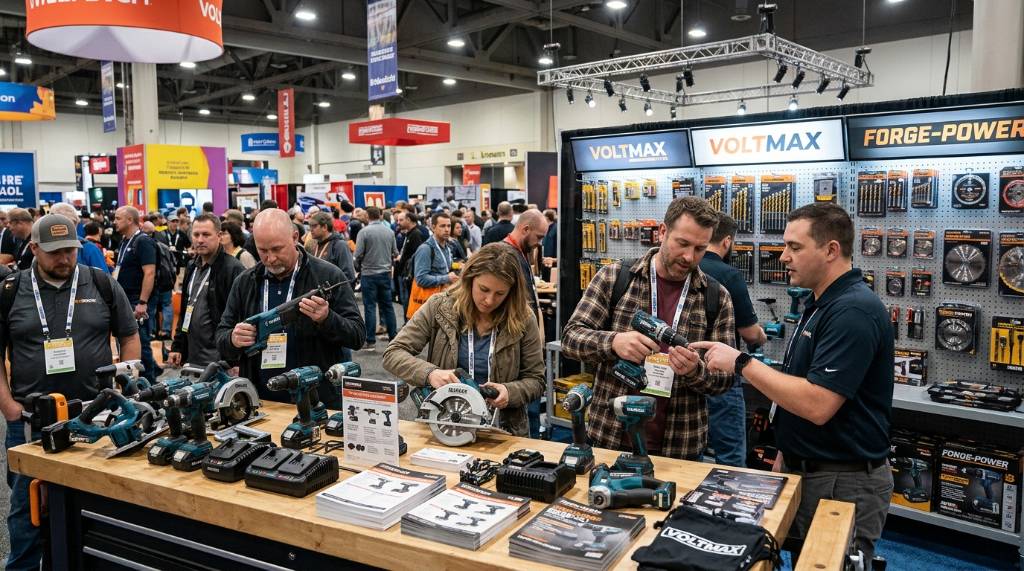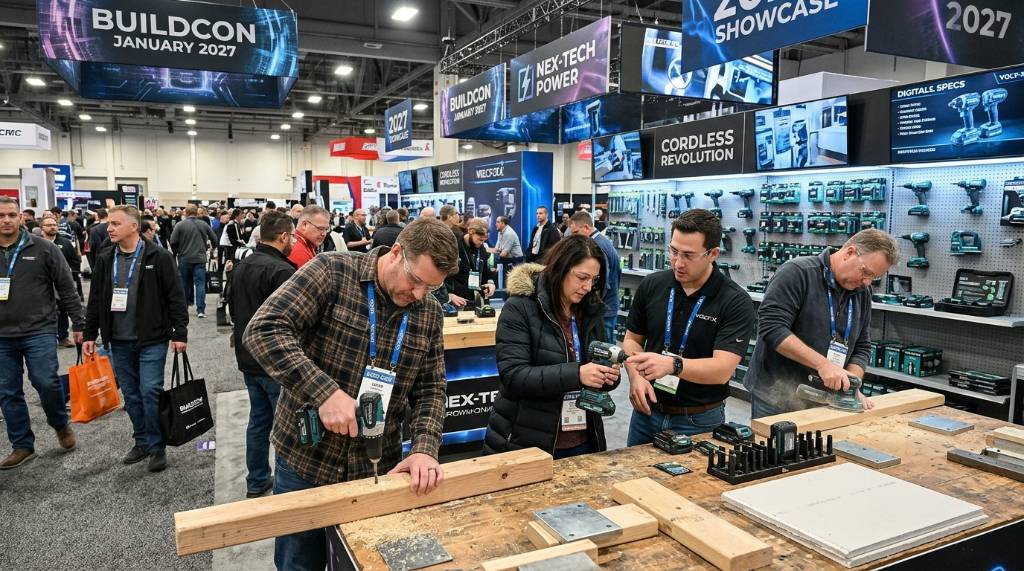
The new year brings a big chance for tool lovers, builders, and shop owners. From January 28 to 30, 2027, the Midwest tool community gathers for three busy days of products, demos, and talks. Whether you run a job site or fix things on weekends, this event has something for you.
This guide walks you through the plan for each day. It also covers the main highlights, smart planning tips, and what to expect on the show floor. Please note that organizers can adjust times and sessions. Therefore, check the official event page before you travel.
Event at a Glance
Before you dive into the details, look at the quick facts below. This table gives you a simple overview.
| Detail | Information |
| Event name | Midwest Tool Expo 2027 |
| Dates | January 28 – 30, 2027 |
| Days | Thursday, Friday, and Saturday |
| Format | Exhibits, live demos, workshops, and networking |
| Best for | Contractors, makers, dealers, buyers, and hobbyists |
| Season | Mid-winter, so dress warmly |
The three-day format gives you room to see everything without rushing. Additionally, each day has its own mood. Thursday focuses on business and launches. Friday leans toward learning. Saturday welcomes families and weekend visitors.
Why This Event Matters in 2027
Tool shows do more than sell products. They let you hold, test, and compare gear before you buy. Photos and videos cannot do that. A drill feels different in your hand than it looks on a screen.
Furthermore, the show brings makers and users face to face. You can ask an engineer why a saw works the way it does. You can tell a brand what you wish it would fix. These talks often shape the next generation of tools.
Timing also helps. Winter is slow season for many trades. Therefore, pros have more time to attend, learn, and plan for spring. Buyers can also lock in deals before the busy months start.
Who Should Attend
This event suits a wide group of visitors. Consider going if you are one of the following:
- A contractor or crew leader who needs reliable gear
- A woodworker, metalworker, or hobby builder
- A hardware store owner or buyer
- A trade school teacher or student
- A homeowner who loves do-it-yourself projects
- A supplier looking for new partners
Each group will find a different value. However, all of them share one goal: to work smarter with better tools.
Day One: Thursday, January 28, 2027
The first day sets the tone. Doors open early, and the hall fills fast. Trade buyers and industry guests usually arrive first, so the pace feels brisk.
Morning: Opening and Product Launches
The day starts with a short welcome. Organizers share the plan, point out key zones, and thank sponsors. After that, the floor opens.
Brands often save their newest products for day one. Expect to see fresh cordless lines, upgraded safety gear, and smarter measuring tools. Many booths run short demos every hour. Arrive early, because the best seats go quickly.
Additionally, look for the new product showcase area. It gathers the latest releases in one place. This saves time, especially if you have only one day to spare.
Afternoon: Business and Buyer Sessions
After lunch, the focus shifts toward business. Dealers meet suppliers. Shop owners compare pricing, terms, and stock plans. Several panels cover topics such as supply chains, shop growth, and customer trends.
Meanwhile, hands-on visitors can try tools at open test stations. You can cut, drill, sand, and measure under expert eyes. Staff members answer questions and share care tips.
Evening: Networking Time
The first day often ends with a relaxed social hour. People swap cards, trade stories, and plan the next day. If you want to grow your network, this is the best moment. Therefore, bring business cards and a friendly attitude.
Sample Schedule for Day One
The table below shows a typical flow. Treat it as a guide rather than a fixed plan.
| Time | Activity |
| 9:00 AM | Doors open and registration |
| 10:00 AM | Opening welcome |
| 10:30 AM | New product showcase |
| 12:00 PM | Lunch break |
| 1:00 PM | Buyer and dealer meetings |
| 2:30 PM | Industry panel talk |
| 4:00 PM | Open test stations |
| 5:00 PM | Networking hour |

Day Two: Friday, January 29, 2027
Friday feels different. The crowd spreads out, and the mood turns toward learning. If you want deep conversations with exhibitors, this day works well.
Morning: Workshops and Skill Sessions
Workshops take center stage on Friday. Experts teach practical skills in small groups. Topics may include sharpening, safe saw use, metal finishing, and battery care. Each session lasts about an hour, and seats are limited.
Sign up early if the event offers pre-registration. Otherwise, line up at least fifteen minutes before the start. Bring a notebook, because the tips come fast.
Midday: Live Demonstrations
Around noon, the main stage comes alive. Skilled makers show how they turn raw material into finished work. You might watch a furniture builder shape a joint or a welder lay a clean bead. These shows entertain, and they also teach.
In addition, many brands host comparison demos. They place two tools side by side and let you judge. This honest format helps buyers decide with confidence.
Afternoon: Trade Talks and Safety Focus
Safety gets special attention in the afternoon. Speakers explain new rules, better habits, and the latest protective gear. Even experienced workers pick up new ideas here. Because accidents cost time and money, these talks pay off fast.
Other sessions cover shop layout, storage ideas, and tool care. Consequently, you leave with both new gear and new habits.
Sample Schedule for Day Two
| Time | Activity |
| 9:00 AM | Doors open |
| 9:30 AM | Workshop block one |
| 11:00 AM | Workshop block two |
| 12:30 PM | Main stage live demos |
| 2:00 PM | Safety and compliance talks |
| 3:30 PM | Tool care and storage clinic |
| 5:00 PM | Exhibitor happy hour |
Day Three: Saturday, January 30, 2027
Saturday brings the biggest and friendliest crowd. Families, hobbyists, and students join the pros. As a result, the hall feels lively and loud in a good way.
Morning: Family and Hobby Zones
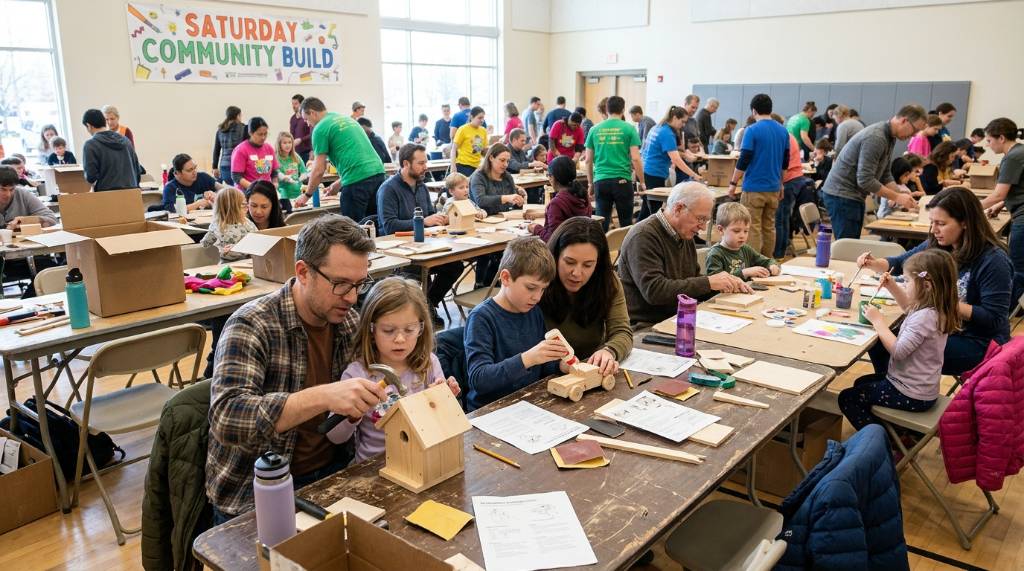
The morning opens with activities for all ages. Kids can try simple build projects with help from volunteers. Hobbyists can join craft sessions, such as small woodworking or leather work. These zones turn the show into a day out for the whole family.
Moreover, beginners find a warm welcome here. Experts answer basic questions without judgment. If you have always wanted to start a new skill, this is a perfect day to begin.
Midday: Contests and Competitions
Contests add fun and energy. Builders may compete in timed challenges, speed tasks, or design showcases. The crowd cheers, and winners receive prizes. Even if you do not enter, watching is a thrill.
Prize drawings also run through the day. Visit booths, collect entries, and keep your fingers crossed. However, remember to read the rules at each booth.
Afternoon: Final Deals and Closing
Saturday afternoon is prime time for bargains. Exhibitors often offer show specials to avoid packing up extra stock. Therefore, patient shoppers can find strong deals. Compare prices early in the weekend, then return for the best offers.
The event closes with a short farewell and prize announcements. Many guests stay to say goodbye and share final thoughts.
Sample Schedule for Day Three
| Time | Activity |
| 9:00 AM | Doors open |
| 10:00 AM | Family build zone |
| 11:30 AM | Hobby craft sessions |
| 1:00 PM | Contests and competitions |
| 3:00 PM | Final show specials |
| 4:30 PM | Prize drawings and closing |
Important Highlights You Should Not Miss
With so much happening, it helps to know the top moments. Here are the highlights that most visitors enjoy.
New Product Launches
Brands love to debut gear at big shows. You may see lighter cordless tools, longer battery life, and smarter dust control. Seeing these items first gives you a head start.
Hands-On Test Areas
Testing tools beats reading reviews. Use the open stations to feel weight, balance, and noise. Ask staff to show you the right technique.
Expert Talks and Panels
Speakers share real stories from shops and job sites. Their advice is practical, and it often saves money. Pick two or three talks that match your needs.
Networking Opportunities
The people you meet can matter as much as the products you see. A chat in line might lead to a new client or a helpful mentor. Therefore, stay open and curious.
Show-Only Deals
Many exhibitors save their best pricing for the event. Additionally, some offer free accessories or extended warranties. Make a short list before you go so you can act fast.
Smart Tips for Planning Your Visit
A little planning makes a big difference. Use these tips to get the most from your three days.
Before You Go
- Check the official page for final times and maps
- Register early to skip long lines
- Book your hotel and travel soon, since winter weather can slow roads
- Make a list of must-see booths and talks
- Set a budget for purchases
What to Bring
- Comfortable, closed-toe shoes for long hours on concrete
- A warm coat that is easy to carry indoors
- A phone charger or power bank
- A notebook and pen
- Business cards, if you attend for work
- A sturdy bag for brochures and small buys
During the Event
Start with your top priorities. Then explore the rest as time allows. Take photos of products and price tags, because you will forget details later. Drink water, and take short breaks to rest your feet.
However, do not rush every booth. Quality conversations beat quick laps. Spend extra time where you feel real interest.
Which Day Fits You Best
Not every visitor needs all three days. The table below helps you choose.
| Visitor Type | Best Day | Reason |
| Dealers and buyers | Thursday | Launches and business meetings |
| Learners and tradespeople | Friday | Workshops and safety talks |
| Families and hobbyists | Saturday | Family zones and contests |
| Deal hunters | Saturday | Final show specials |
| Networkers | Thursday | Evening social hour |
Travel, Parking, and Comfort Advice
January in the Midwest can be cold and snowy. Therefore, check the forecast before you drive. Leave early each morning, because parking lots fill up near opening time. Carpooling with friends can save stress and money.
Inside, halls are usually warm. You will likely shed your coat quickly. A coat check, if offered, keeps your hands free. Additionally, plan your meals. Food lines grow long at noon, so eating a little earlier or later helps.
If you have mobility needs, contact the organizers ahead of time. They can share details on entrances, seating, and rest areas. Good planning keeps the visit smooth for everyone.
How to Make the Most of the Event
Set one clear goal for each day. On Thursday, your goal might be to meet three suppliers. On Friday, you might finish two workshops. And on Saturday, you might compare prices and buy one key item. Small goals keep you focused.
After the show, follow up. Send thank-you notes to new contacts. Review your photos and notes. Then decide which purchases make sense. This last step turns a fun trip into real value.
Finally, share what you learned. Teach your crew a new safety habit. Show a friend the tool you tested. Knowledge grows when you pass it on.
Conclusion
Midwest Tool Expo 2027 offers three rich days packed with learning, testing, and fun. Thursday brings launches and business talks. Friday delivers workshops, demos, and safety lessons. Saturday welcomes families with contests, craft zones, and final deals.
To enjoy the event fully, plan ahead. Confirm times on the official page, register early, and pack for winter. Choose the day that matches your goals, and set simple targets. With a clear plan, you will leave with better tools, sharper skills, and valuable contacts.
Mark January 28 – 30, 2027 on your calendar. Then get ready to see what is next in the world of tools.
Frequently Asked Questions
1. When does the event take place?
The show runs from January 28 to 30, 2027. It covers Thursday, Friday, and Saturday.
2. Who should attend?
Contractors, makers, dealers, students, hobbyists, and homeowners all find value. The event welcomes both beginners and experts.
3. Do I need to register in advance?
Early registration is a smart move. It usually saves time at the door. Check the official page for current details.
4. What are the opening hours?
Most tool shows open around 9:00 AM and close in the late afternoon or early evening. However, hours can change, so confirm them before you go.
5. Which day is best for first-time visitors?
Friday works well because the crowd is calmer and the workshops teach useful skills. Saturday also suits beginners who enjoy a lively mood.
6. Can I test tools at the event?
Yes. Many exhibitors offer hands-on stations. Staff members guide you and answer questions.
7. Are there activities for children?
Saturday usually includes family zones with simple build projects. Ask the organizers for age guidelines.
8. Will exhibitors offer special deals?
Many do. Show specials often appear on all three days, and the best bargains tend to show up on Saturday afternoon.
9. What should I wear and bring?
Wear comfortable shoes and layers. Bring a notebook, a charger, a bag, and business cards if you attend for work.
10. How can I get the latest updates?
Visit the official event page and follow its social channels. Organizers post schedule changes, speaker news, and travel notices there.