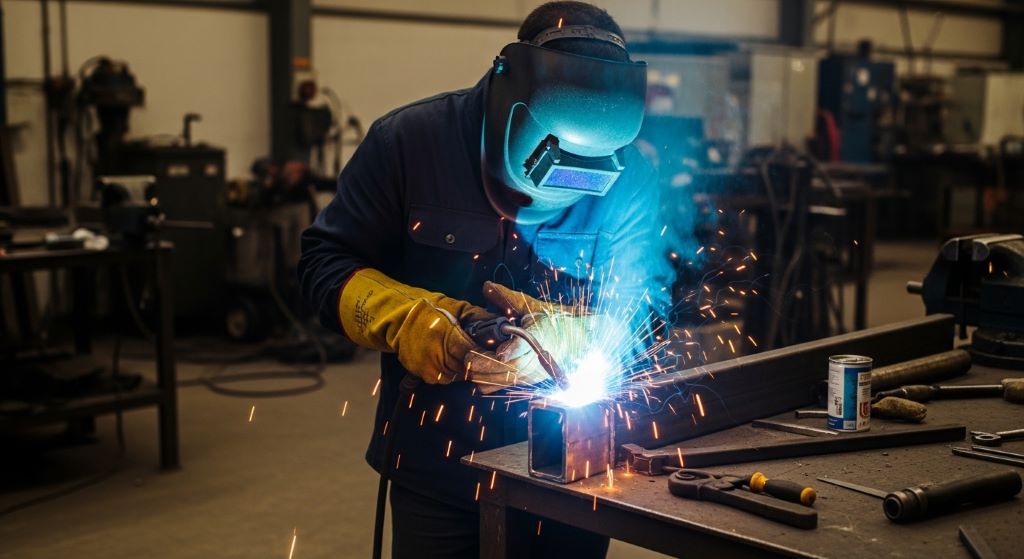
Arc welding is one of the most widely used welding methods in the world. It joins metals using an electric arc. The results you get depend greatly on the equipment you use. Therefore, choosing and using the right arc welding equipment is key to success.
Many welders struggle with poor welds, weak joints, or safety risks. However, most of these problems come from using the wrong tools or misusing the right ones. This article will guide you through the essential equipment and how each piece improves your welding results.
Whether you are a beginner or an experienced welder, understanding your tools can make a big difference. Let us explore how each piece of equipment plays a role in achieving better welds.
Understanding the Basics of Arc Welding Equipment
Before diving into improvements, it helps to understand what arc welding equipment includes. The main components are the welding machine, electrodes, cables, clamps, and protective gear. Each part has a specific job. Additionally, every part affects the quality of the final weld.
The welding machine, often called a welder or power source, creates the electric arc. This arc melts the base metal and the electrode. The melted material then fuses together as it cools. Therefore, getting the machine settings right is the first step toward better results.
Cables carry the electric current from the machine to the workpiece. Clamps hold everything in place. Protective gear keeps the welder safe. All of these items work together. When they function well, your welds improve naturally.
Choosing the Right Welding Machine
The welding machine is the heart of arc welding. Choosing the right one for your job is critical. There are several types of machines, including stick welders, TIG welders, and MIG welders. Each is designed for different metals and thicknesses.
For example, a stick welder works well on thick steel and in outdoor conditions. However, it may not give clean results on thin metals. A TIG welder, on the other hand, provides precise and clean welds. It works best on stainless steel and aluminum.
Additionally, consider the duty cycle of your machine. The duty cycle tells you how long you can weld before the machine needs to cool down. A machine with a higher duty cycle is better for long welding sessions. Therefore, matching the machine to your project improves both quality and efficiency.
Setting the Correct Amperage
Amperage is the amount of current flowing during welding. Setting it correctly is very important. Too little current causes a weak arc and poor fusion. Too much current can burn through the metal.
Most machines have a guide for amperage settings based on electrode size and metal thickness. Always follow this guide as a starting point. Then, adjust slightly based on what you see and hear during welding. A smooth, consistent sizzling sound means you have the right setting.
The Role of Electrodes in Weld Quality
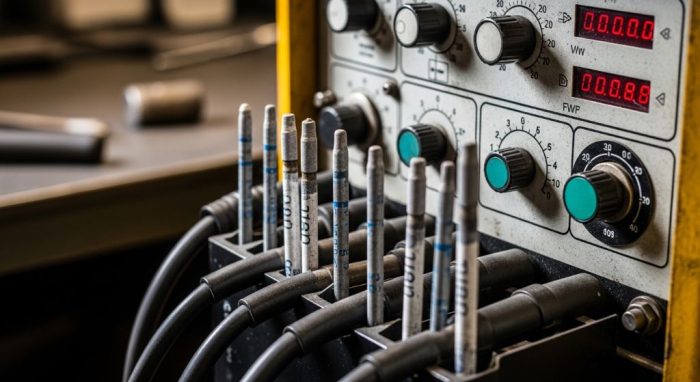
Electrodes are the metal rods that create the arc and add filler material to the weld. They come in many types and sizes. Choosing the correct electrode for your metal and position is essential. Using the wrong one leads to weak or brittle welds.
For instance, an E6013 electrode works well for general-purpose welding and is beginner-friendly. An E7018 electrode, however, is better for high-strength welds. It requires a dry storage environment to perform well. Therefore, always store electrodes properly to avoid moisture damage.
Electrode size also matters. Larger electrodes carry more current and work better on thicker metals. Smaller electrodes are ideal for thin materials. Additionally, the angle at which you hold the electrode affects the shape and strength of the bead.
Proper Electrode Storage and Handling
Moisture is the enemy of many electrodes. Wet or damp electrodes cause porosity in the weld. Porosity means tiny holes form inside the weld metal. This weakens the joint.
Always store low-hydrogen electrodes in a rod oven or airtight container. Before using them, bake them according to the manufacturer’s instructions. This simple step can dramatically improve weld quality. Therefore, never skip proper electrode care.
Cables, Clamps, and Ground Connections
Good cables and clamps are often overlooked. However, they play a big role in weld quality. Poor connections cause unstable arcs, spatter, and defects. Therefore, always check your cables and clamps before starting.
Cables should be the correct gauge for the current you are using. Undersized cables overheat and drop voltage. This makes the arc weak and unpredictable. Additionally, look for worn or cracked insulation and replace damaged cables immediately.
The ground clamp connects the workpiece to the welding circuit. A poor ground connection causes arc instability. Always attach the ground clamp as close to the weld area as possible. Make sure the metal surface is clean and free from rust or paint.
Protective Welding Gear and Its Impact on Performance
Safety gear protects you. However, it also helps you perform better. When you feel safe, you can focus on the weld. This leads to better control and higher-quality results.
A good welding helmet is the most important piece of protective gear. Auto-darkening helmets are especially useful. They darken automatically when the arc starts. This allows you to see clearly before, during, and after welding. Therefore, you can position your torch or electrode with greater precision.
Other essential gear includes welding gloves, a leather jacket or apron, and safety boots. Gloves protect your hands while still allowing for good grip and movement. Additionally, wear a respirator when welding in poorly ventilated spaces. Fumes from welding are harmful to breathe.
Choosing the Right Welding Helmet
Not all helmets are equal. A helmet with a wide viewing lens lets you see more of the work area. This helps with positioning and accuracy. Look for a helmet with an adjustable shade range. This way, you can use it for different welding processes.
Also, consider how heavy the helmet is. A lighter helmet reduces neck strain during long sessions. Therefore, you can work longer without discomfort, which directly improves focus and quality.
The Importance of Welding Accessories
Several accessories support better welding results. These include chipping hammers, wire brushes, angle grinders, and welding magnets. While they may seem minor, each one contributes to a cleaner and stronger weld.
A chipping hammer removes slag from the weld bead after welding. Slag is a byproduct that covers the weld. If left on, it can hide defects. Removing it reveals the true quality of the weld. Additionally, a wire brush cleans the surface further.
An angle grinder helps prepare the base metal before welding. Clean, smooth metal promotes better fusion. It also helps grind down welds that need to be smoothed out. Therefore, having a grinder on hand improves both preparation and finishing.
Welding magnets hold metal pieces at specific angles while you weld. This keeps parts in place and improves joint accuracy. Additionally, they reduce the need for tack welds or manual holding.
Maintaining Your Arc Welding Equipment
Good equipment works best when it is well maintained. Regular maintenance prevents breakdowns and ensures consistent performance. Therefore, set up a simple maintenance routine for all your welding tools.
For the welding machine, check the vents and clean out dust regularly. Dust buildup can cause overheating. Also, inspect internal components if you notice any strange noises or sparks. Have a qualified technician service the machine annually.
Key maintenance tasks include:
- Inspect cables and replace any that are frayed or damaged.
- Clean the ground clamp contacts to ensure a solid connection.
- Check the electrode holder for wear or burn marks.
- Store all equipment in a dry, clean area away from moisture.
- Follow the manufacturer’s maintenance schedule for all tools.
By following these steps, you will extend the life of your equipment. Additionally, well-maintained tools produce more reliable and consistent welds.
Common Welding Problems and How Equipment Fixes Them
Many welding problems can be traced back to equipment issues. Understanding this connection helps you troubleshoot faster and fix problems at the source.
Porosity, which means small holes in the weld, is often caused by wet electrodes or a poor gas shield. Using properly dried electrodes and checking your shielding gas flow rate can fix this. Therefore, equipment care directly solves quality problems.
Spatter is another common problem. It happens when small metal droplets scatter around the weld. This is often caused by incorrect amperage or voltage settings. Adjusting your machine settings reduces spatter significantly.
Undercut refers to a groove along the edge of the weld that is not filled. It weakens the joint. This usually happens from too high a current or too fast a travel speed. Slowing down and reducing amperage can eliminate undercut. Additionally, a stable arc from clean cables and clamps helps prevent this defect.
Conclusion
Improving your welding results starts with understanding and using your arc welding equipment correctly. The welding machine, electrodes, cables, clamps, protective gear, and accessories all play important roles. Each component affects the quality, safety, and efficiency of your work.
Choosing the right machine and setting the correct amperage creates a stable arc. Using the proper electrode for the job ensures strong fusion. Clean cables and ground connections provide consistent current flow. Additionally, protective gear keeps you safe and focused.
Regular maintenance extends the life of all your tools. It also prevents the most common welding problems. Therefore, investing time in equipment care is just as important as developing your technique.
By applying the tips in this article, you can achieve cleaner, stronger, and more consistent welds. Whether you are welding at home or on a professional job site, the right equipment makes all the difference.
Frequently Asked Questions (FAQs)
1. What is the most important piece of arc welding equipment for beginners?
The welding machine is the most important piece of equipment. A beginner-friendly stick welder with adjustable amperage is a great starting point. Additionally, a good auto-darkening helmet helps beginners see the weld pool clearly and position the electrode with accuracy.
2. How do I choose the right electrode for my welding project?
Choose an electrode based on the base metal type, its thickness, and the welding position. For general steel welding, an E6013 electrode is a reliable choice. For high-strength applications, use an E7018 electrode. However, always check the manufacturer’s chart for exact recommendations.
3. Why does my weld have too much spatter?
Excessive spatter is usually caused by incorrect amperage or voltage settings. It can also result from a long arc length or damp electrodes. Try lowering the current slightly, keeping the arc shorter, and ensuring your electrodes are dry. Additionally, clean the base metal before welding to reduce contamination.
4. How often should I maintain my arc welding equipment?
You should inspect cables, clamps, and the electrode holder before every welding session. Clean the welding machine vents monthly to prevent dust buildup. Additionally, have a professional technician service the machine at least once a year. Regular maintenance prevents unexpected failures and keeps your welds consistent.
5. Can the wrong cables affect welding quality?
Yes, absolutely. Undersized or damaged cables cause voltage drops, which destabilize the arc. This leads to poor fusion, spatter, and uneven bead profiles. Therefore, always use cables rated for your machine’s output and replace any that show signs of damage or wear.
Related Topics:
Spider Tool Holster Review – Carry Drills, Drivers And Multitools Easily
Aucuqu 6 Ton Jack Stand Wall Mount – Heavy Duty Stainless Steel Organizer Hook, 4-Pack