
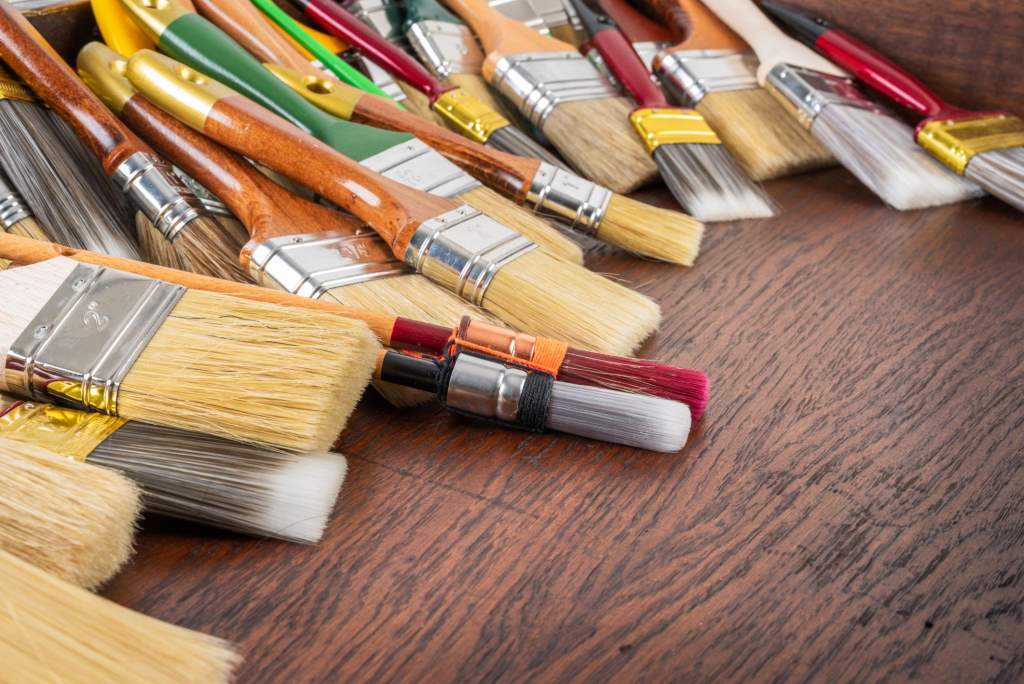
A smooth, flawless paint finish does not happen by accident. It depends heavily on the tools you use, especially your paintbrush. According to the U.S. Environmental Protection Agency, proper application techniques can reduce paint waste by up to 25 percent, while improving durability. Meanwhile, research from the National Association of Home Builders shows that quality tools directly impact the longevity of interior finishes. In simple terms, the right paintbrushes and technique can save time, effort, and rework. This guide explains how to choose and use paintbrushes like a professional, even if you are a beginner.
Why Paintbrush Selection Matters
Choosing the right paintbrush is not just about convenience. It directly affects how your paint spreads, how smooth it looks, and how long it lasts. A poor brush often leaves streaks, visible lines, or uneven coverage. On the other hand, a high quality brush creates a clean, even coat with minimal effort.
Moreover, different surfaces require different brush types. For example, trim, walls, and furniture all demand specific brush shapes and bristle materials. Using the wrong one can lead to frustration and wasted paint. Therefore, understanding your options is essential before starting any project.
Types of Paintbrushes Explained
Flat Brushes
Flat brushes are the most common option for large surfaces. They hold a good amount of paint and spread it evenly. Because of their shape, they work best for walls, doors, and broad strokes.
Angled Brushes
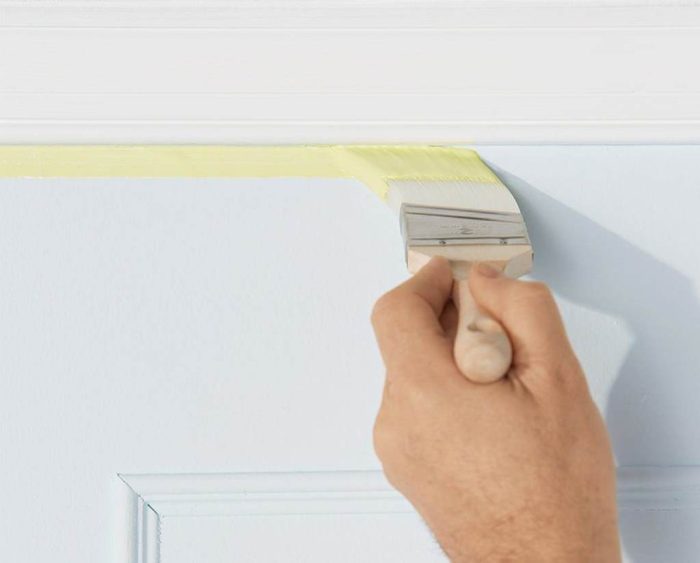
Angled brushes are designed for precision. Their slanted edge helps you paint clean lines along edges and corners. As a result, they are perfect for cutting in around ceilings, windows, and trim.
Round Brushes
Round brushes are less common for walls but useful for detailed work. They are often used for furniture, crafts, or decorative finishes.
Specialty Brushes
Specialty brushes include sash brushes, trim brushes, and foam brushes. Each serves a specific purpose, such as reaching tight spaces or applying finishes smoothly.
Understanding Bristle Types
Natural Bristles
Natural bristles come from animal hair. They work best with oil based paints because they hold paint well and create a smooth finish. However, they are not ideal for water based paints since they absorb moisture and lose shape.
Synthetic Bristles
Synthetic bristles are made from nylon or polyester. They are durable and maintain their shape when used with water based paints. Most modern painting projects benefit from synthetic brushes.
Blended Bristles
Blended brushes combine natural and synthetic materials. They offer versatility and perform well with different types of paint.
Choosing the Right Brush Size
Brush size plays a key role in achieving a flawless finish. A brush that is too small slows down your work, while a large one reduces control.
Here is a simple guide:
- 1 to 2 inches: Ideal for trim, edges, and small areas
- 2 to 3 inches: Best for doors, cabinets, and furniture
- 3 to 4 inches: Suitable for walls and large surfaces
Using the correct size improves efficiency and ensures better coverage.
How to Prepare Your Paintbrush
Before you start painting, proper preparation is essential. Many people skip this step, which leads to uneven results.
Follow these steps:
- Lightly rinse the brush with water or solvent depending on the paint type
- Spin or shake off excess liquid
- Dip the brush into paint about one third of the bristle length
- Tap off extra paint instead of wiping it completely
This process helps the brush absorb paint evenly and prevents dripping.
Proper Painting Techniques for a Smooth Finish
Use Controlled Strokes
Always apply paint with steady, controlled strokes. Avoid pressing too hard, as this spreads the bristles and creates streaks.
Follow the Grain
When painting wood, follow the natural grain direction. This technique blends the paint better and improves the final look.
Maintain a Wet Edge
Keeping a wet edge prevents visible lines. Work in small sections and blend each stroke into the previous one.
Avoid Overloading the Brush
Too much paint causes drips and uneven layers. Instead, apply thin, consistent coats for the best results.
Common Mistakes to Avoid
Even experienced painters make mistakes. However, avoiding these common errors can improve your results significantly.
- Using the wrong brush for the surface
- Skipping brush preparation
- Applying too much pressure
- Painting too quickly without control
- Ignoring proper cleaning after use
Each of these issues can lead to visible brush marks or uneven coverage.
Cleaning and Maintaining Your Paintbrush
Proper maintenance extends the life of your brushes and ensures consistent performance.
For Water Based Paint
- Rinse with warm water immediately after use
- Use mild soap to remove residue
- Rinse until the water runs clear
For Oil Based Paint
- Use a suitable solvent to clean the bristles
- Wash with soap afterward
- Rinse thoroughly
After cleaning, reshape the bristles and let the brush dry flat or hanging. This prevents damage and keeps the brush in good condition.
When to Replace Your Paintbrush
Even the best brushes do not last forever. Knowing when to replace them helps maintain quality.
Look for these signs:
- Frayed or split bristles
- Loss of shape
- Uneven paint application
- Difficulty holding paint
Replacing worn brushes ensures your work remains clean and professional.
Pro Tips for a Flawless Finish
Professionals rely on simple but effective techniques to achieve perfect results.
- Always use high quality brushes for better control
- Work in good lighting to spot imperfections early
- Apply multiple thin coats instead of one thick layer
- Sand lightly between coats for extra smoothness
- Keep a damp cloth nearby to fix small mistakes quickly
Conclusion
Choosing and using the right paintbrush can transform your painting results. From selecting the correct bristle type to mastering proper techniques, each step plays a role in achieving a smooth, flawless finish. Moreover, consistent care and maintenance ensure your tools perform well over time. Focus on quality, preparation, and technique to get professional level results at home. Start applying these tips in your next project and see the difference immediately.
FAQs
What type of paintbrush gives the smoothest finish?
Synthetic brushes usually provide the smoothest finish for water based paints. They maintain their shape and apply paint evenly.
How do I avoid brush marks when painting?
Use light pressure, apply thin coats, and maintain a wet edge. These steps reduce visible brush strokes.
Can I use the same brush for all paint types?
No, different paints require different brushes. Natural bristles work best with oil based paints, while synthetic ones suit water based paints.
How often should I clean my paintbrush?
Clean your brush immediately after each use. This prevents paint buildup and keeps the bristles in good condition.
Is an expensive paintbrush worth it?
Yes, high quality brushes provide better control, smoother finishes, and last longer with proper care.


