Choosing the right saw for cutting wood can make the difference between a smooth project and a frustrating one. Many beginners pick tools based on guesswork, which often leads to uneven cuts, wasted material, and safety risks. According to the U.S. Consumer Product Safety Commission, thousands of woodworking injuries occur each year due to improper tool use. At the same time, research from the Forest Products Laboratory shows that using the correct saw for cutting wood improves efficiency and accuracy by over 40 percent. So, understanding saw types, their uses, and expert tips is essential. This guide will help you choose wisely and work smarter.
Why Choosing the Right Saw Matters
Selecting the correct saw is not just about convenience. It directly impacts precision, safety, and the overall quality of your work. A mismatched tool can cause splintering, inaccurate cuts, and fatigue.
Moreover, different wood types require different cutting approaches. Softwood behaves differently from hardwood. Therefore, using the wrong blade or saw can damage both the material and the tool.
Additionally, the right saw improves workflow. You save time because cuts become faster and cleaner. As a result, your projects look more professional, even if you are a beginner.
Main Types of Saws for Cutting Wood
Hand Saws
Hand saws are simple, reliable, and perfect for basic woodworking tasks. They do not require electricity, which makes them ideal for small jobs or outdoor use.
Common types include:
- Crosscut saw for cutting across the grain
- Rip saw for cutting along the grain
- Back saw for precise joinery work
These tools are great for beginners because they offer more control. However, they require physical effort and patience.
Circular Saws
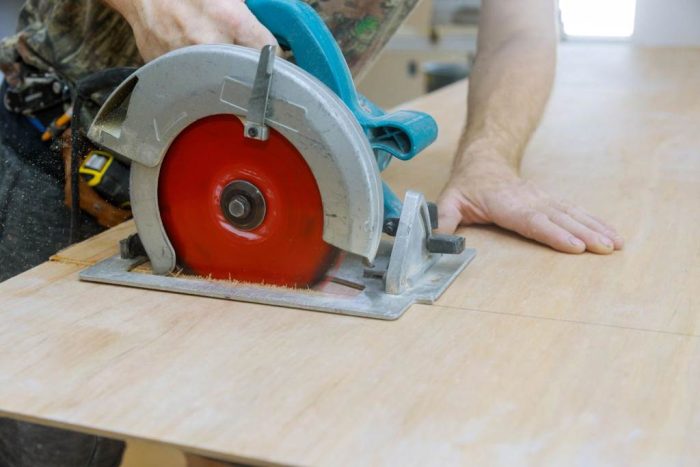
Circular saws are powerful and versatile tools used for straight cuts. They are commonly used in construction and DIY projects.
Key benefits include:
- Fast cutting speed
- Adjustable cutting depth
- Ability to cut large boards easily
Although circular saws are efficient, they require proper handling. Safety measures such as guards and stable positioning are essential.
Jigsaws
Jigsaws are designed for curved and intricate cuts. They are ideal for creative woodworking and detailed designs.
They offer:
- Flexibility for curved cuts
- Easy maneuverability
- Compatibility with different blade types
Because of their precision, jigsaws are often used for decorative work and custom shapes.
Table Saws
Table saws are a staple in professional workshops. They are best for making straight, accurate cuts repeatedly.
Advantages include:
- High precision
- Stability during cutting
- Ideal for large projects
However, table saws require experience. Proper setup and safety practices are critical.
Miter Saws
Miter saws specialize in angled cuts. They are commonly used for trim work, framing, and molding.
They allow you to:
- Make precise angle cuts
- Perform repeatable cuts quickly
- Improve finishing quality
As a result, they are essential for projects that require clean edges and angles.
How to Choose the Right Saw for Your Needs
Understand Your Project Type
First, define what you plan to build. Furniture projects need precision, while rough construction needs speed.
For example:
- Fine furniture requires a table saw or back saw
- Outdoor framing works well with a circular saw
- Artistic designs need a jigsaw
Matching the saw to the project ensures better results.
Consider the Wood Type
Different woods react differently to cutting tools. Hardwoods like oak require stronger blades, while softwoods like pine are easier to cut.
Therefore, always choose a saw that can handle the density of your material. Using a weak tool on hardwood can damage both the blade and the wood.
Evaluate Your Skill Level
Beginners should start with simple tools like hand saws or jigsaws. These tools offer better control and lower risk.
On the other hand, advanced users can handle table saws and miter saws. These tools provide higher efficiency but require experience.
Think About Portability
If you work in different locations, portability matters. Hand saws and circular saws are easy to carry.
However, stationary tools like table saws are better suited for workshops. Choose based on your working environment.
Key Features to Look for in a Saw
Blade Type and Quality
The blade determines the quality of the cut. Fine teeth produce smoother cuts, while coarse teeth cut faster.
Always select a blade that matches your task. For example, crosscut blades are ideal for clean finishes, while rip blades work faster along the grain.
Power and Speed
Power tools vary in strength. Higher power means faster cutting, but it also requires better control.
Therefore, balance power with your comfort level. Beginners should avoid overly powerful tools until they gain experience.
Safety Features
Safety should always come first. Look for features such as:
- Blade guards
- Anti kickback systems
- Emergency stop functions
These features reduce the risk of accidents and improve confidence during use.
Expert Tips for Using Saws Effectively
Measure Twice, Cut Once
Always double check your measurements before cutting. This simple habit reduces mistakes and saves material.
Use the Right Blade
Even the best saw will perform poorly with the wrong blade. Always match the blade type to your task.
Maintain Your Tools
Regular maintenance keeps your saw in top condition. Clean blades and sharp teeth improve performance and extend tool life.
Secure Your Material
Loose wood can shift during cutting, causing uneven results or accidents. Use clamps or stable surfaces to hold the material firmly.
Follow Proper Cutting Techniques
Stand in a balanced position and guide the saw steadily. Avoid forcing the tool, as this can lead to rough cuts or damage.
Common Mistakes to Avoid
Many beginners make avoidable mistakes that affect results. Understanding these pitfalls helps you improve quickly.
Common mistakes include:
- Using dull blades, which cause rough cuts
- Choosing the wrong saw for the task
- Ignoring safety precautions
- Rushing through measurements
By avoiding these errors, you can achieve cleaner and more accurate results.
Conclusion
Choosing the right saw for cutting wood is a crucial step in any woodworking project. Each type of saw serves a specific purpose, from straight cuts to detailed designs. By understanding your project, material, and skill level, you can select the most suitable tool. In addition, focusing on safety and proper techniques ensures better outcomes. Start with the basics, practice consistently, and upgrade your tools as your skills grow. Take action today by evaluating your next project and choosing the right saw with confidence.
FAQs
What is the best saw for beginners?
A hand saw or jigsaw is ideal for beginners. These tools are easy to control and safer to use while learning basic techniques.
Which saw is best for straight cuts?
A circular saw or table saw works best for straight cuts. Both provide accuracy and efficiency for long, clean lines.
Can one saw handle all wood cutting tasks?
No, each saw is designed for specific tasks. Using the right tool for each job ensures better results and safety.
How often should I replace a saw blade?
Replace the blade when it becomes dull or damaged. Regular inspection helps maintain cutting quality and efficiency.
Is a table saw safe for home use?
Yes, but only with proper safety measures. Always use guards, follow instructions, and gain experience before advanced use.