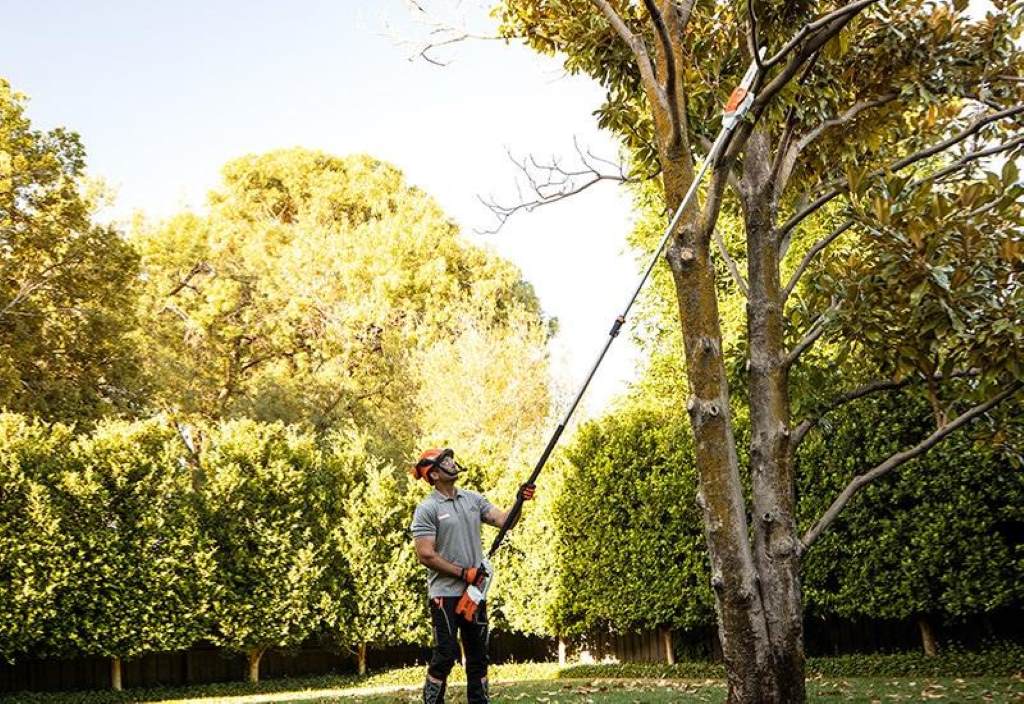
Tree trimming at height can feel risky, especially when branches sit far above your reach. Yet with the right approach, pole saws for tree trimming turn a difficult task into a controlled and safe process. According to the Occupational Safety and Health Administration, falls remain one of the leading causes of injury in outdoor work. In addition, the US Forest Service highlights that proper pruning improves tree health and reduces storm damage. This guide explains how to use pole saws safely and effectively, so you can trim high branches with confidence while protecting yourself and your trees.
What Is a Pole Saw and Why Use It
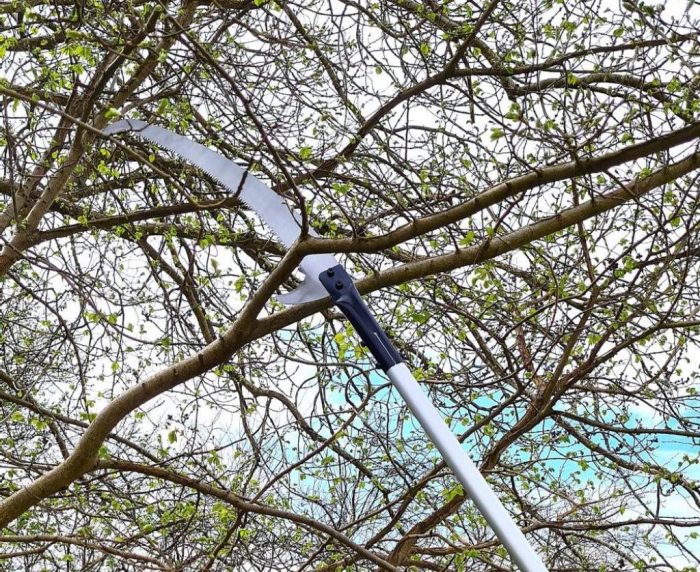
A pole saw is a cutting tool attached to an extendable pole. It helps you trim branches that are out of reach without climbing a ladder. Most models come in manual, electric, or gas powered versions. Each type offers different levels of power and control, depending on the task.
Using a pole saw reduces the need for climbing, which lowers the risk of falls. It also allows more precise cuts from the ground. As a result, homeowners and professionals rely on pole saws for safe tree maintenance. When used correctly, they improve both efficiency and safety.
Types of Pole Saws and Their Uses
Manual Pole Saws
Manual versions rely on physical effort. They are lightweight and simple to operate. These tools work best for small branches and light trimming tasks. Because they lack motors, they require less maintenance.
Electric Pole Saws
Electric models run on battery or corded power. They offer a balance between power and ease of use. Battery powered options provide mobility, while corded ones deliver consistent performance. These are ideal for medium sized branches.
Gas Powered Pole Saws
Gas powered saws deliver maximum cutting strength. They handle thick branches and heavy workloads with ease. However, they require more maintenance and produce noise. Professionals often choose them for large scale trimming.
Essential Safety Tips Before You Start
Safety should always come first when working at height. Even though you stay on the ground, risks still exist. Taking a few precautions can prevent serious injuries.
Follow these key safety steps before using a pole saw:
- Inspect the tool for damage or loose parts
- Wear protective gear such as gloves, helmet, and eye protection
- Check for overhead hazards like power lines
- Ensure stable footing on flat ground
- Keep bystanders at a safe distance
In addition, plan your cuts ahead of time. This reduces sudden movements and improves control. A careful approach leads to better results and fewer accidents.
How to Use a Pole Saw Step by Step
1. Position Yourself Correctly
Stand with your feet shoulder width apart. Maintain a firm grip on the pole saw. Keep your body balanced and avoid overreaching. This position helps you stay stable while cutting.
2. Extend the Pole to the Right Length
Adjust the pole to reach the branch comfortably. Avoid extending it fully unless necessary. A shorter length gives better control and reduces strain.
3. Start with Small Cuts
Begin with a shallow cut on the underside of the branch. This prevents bark tearing. Then make a second cut from the top to remove the branch cleanly.
4. Control the Saw Movement
Move the saw slowly and steadily. Let the blade do the work instead of forcing it. Controlled motion reduces kickback and improves accuracy.
5. Lower the Branch Safely
Once cut, step back and allow the branch to fall naturally. Never stand directly underneath. This simple step prevents injuries.
Best Practices for Effective Tree Trimming
Trimming trees is not just about cutting branches. It requires strategy and timing. Following best practices ensures healthier trees and better results.
Here are some proven techniques:
- Trim during dormant seasons for most tree species
- Remove dead or diseased branches first
- Avoid cutting more than 25 percent of the canopy
- Make clean cuts close to the branch collar
- Space out cuts to maintain tree balance
Moreover, always assess the tree before starting. Look for weak limbs or signs of disease. A thoughtful plan improves both safety and tree health.
Common Mistakes to Avoid
Even experienced users can make errors when using pole saws. Avoiding common mistakes helps prevent damage and injury.
Watch out for these issues:
- Cutting too close to the trunk
- Using dull blades that tear instead of cut
- Overextending the pole and losing control
- Ignoring weather conditions like strong wind
- Skipping protective gear
Each of these mistakes can lead to poor results or accidents. Staying aware and prepared keeps your work safe and effective.
Maintenance Tips for Long Term Use
Proper maintenance keeps your pole saw working efficiently. It also extends the life of the tool and ensures consistent performance.
Follow these maintenance practices:
- Clean the blade after each use
- Sharpen cutting edges regularly
- Check and tighten all connections
- Lubricate moving parts as needed
- Store the tool in a dry place
Regular care reduces breakdowns and improves cutting precision. A well maintained tool is safer and easier to use.
When to Call a Professional
While pole saws are useful, some situations require expert help. Large trees, complex cuts, or proximity to power lines can increase risk. In such cases, hiring a professional arborist is the safest option.
Professionals have the training and equipment to handle difficult jobs. They also understand tree biology, which helps maintain long term health. Knowing your limits is an important part of safe tree care.
Conclusion
Using a pole saw for tree trimming at height can be safe and efficient when done correctly. By choosing the right tool, following safety practices, and using proper techniques, you reduce risks and improve results. Consistent maintenance and awareness further enhance your experience. Start with small tasks, build confidence, and always prioritize safety. If a job feels too complex, do not hesitate to call a professional. Take action today and keep your trees healthy while protecting yourself.
FAQs
What size branches can a pole saw cut
Most pole saws can handle branches up to 6 to 8 inches thick. However, the exact capacity depends on the model and power source.
Is it safe to use a pole saw near power lines
No, you should never use a pole saw near power lines. Contact professionals for such tasks to avoid serious hazards.
How often should I sharpen the blade
Sharpen the blade after several uses or whenever you notice reduced cutting efficiency. A sharp blade ensures clean cuts.
Can beginners use pole saws safely
Yes, beginners can use pole saws safely by following proper instructions and wearing protective gear. Start with small branches to build confidence.
What is the best time of year to trim trees
Late winter or early spring is ideal for most trees. During this time, trees are dormant, which reduces stress and promotes healthy growth.