

A damaged roof rarely fails all at once. Small cracks, loose seams, and water intrusion often build slowly until repairs become unavoidable. The National Association of Home Builders reports that roof repairs rank among the top maintenance tasks homeowners face within the first decade of ownership. Meanwhile, the US Department of Energy notes that proper roof sealing and coating can reduce cooling costs by reflecting heat and preventing moisture damage.
Choosing the right repair material makes a measurable difference. Some products patch leaks quickly, while others strengthen structural bonds or provide long term waterproofing. This guide walks through practical, field tested roof repair materials that suit different repair scenarios, skill levels, and maintenance routines.
A Quick Overview of The Best Roof Repair Materials
These roof repair materials cover sealing, bonding, coating, and surface repair needs across different roof types and repair situations.
- 3M Panel Bonding Adhesive 08115
- Flame King Propane Torch Kit Heavy Duty Weed Burner
- Liquid Rubber Waterproof Sealant Coating
- EternaBond RoofSeal White Roof Repair Tape
- Hiksuky Suede Headliner Fabric with Foam Backing
- Dicor 501LSW Self Leveling Lap Sealant
- Rust Oleum 301994 Elastomeric Roof Coating
- Flex Seal Liquid Rubber Sealant Coating
Best Roof Repair Materials of 2026
Roof repair materials vary widely in how they behave during installation and over time. Some require precision and prep work, while others prioritize simplicity and quick sealing.
3M Panel Bonding Adhesive 08115
Structural bonding epoxy for durable repairs
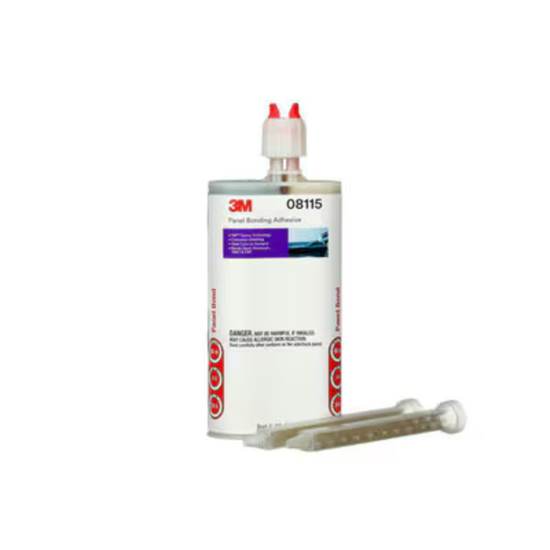
This two part epoxy comes in a 200 mL cartridge designed for controlled application through a mixing nozzle. In real use, it feels dense and slightly slow curing, which gives time to position panels or flashing before it sets. The adhesive creates a strong bond that works well on metal roof sections, flashing seams, and structural patches.
It suits homeowners handling small panel replacements or reinforcing existing joints. The adhesive performs especially well in repairs where mechanical fasteners alone feel insufficient. Once cured, it resists vibration and weather exposure.
However, surface prep matters. Grease or oxidation weakens adhesion, so sanding and cleaning become essential. Beginners may also need practice with cartridge dispensers.
User Review
Michael R.
I used this to bond a loose metal flashing strip after fasteners kept backing out. The epoxy gave me enough working time to align everything, and once cured, the joint felt solid. Prep took longer than the actual bonding, but the result held through heavy rain.
Key Features
• Two part epoxy cartridge system helps create a consistent mix and reliable bonding strength
• 200 mL size supports small repairs without excessive leftover material
• Strong structural adhesion improves stability in flashing or panel repairs
• Controlled working time allows precise placement before curing
• Weather resistant bond line helps prevent joint failure over time
Pros and Cons
| Pros | Cons |
| Strong long term structural bond | Requires mixing nozzle dispenser |
| Resists vibration and weather | Surface prep is critical |
| Good for metal repairs | Not flexible after curing |
Flame King Propane Torch Kit Heavy Duty Weed Burner
Heat application tool for membrane repairs
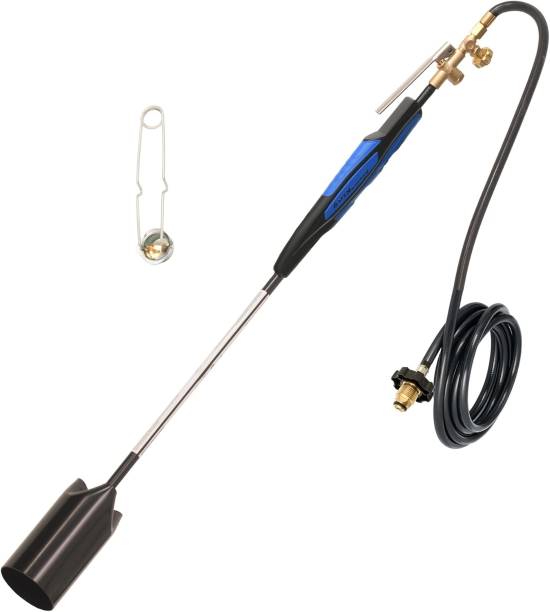
This torch kit delivers high heat output with a 10 foot hose and regulator assembly. In roofing tasks, it helps soften asphalt membranes, dry damp surfaces, or activate heat bonded repair materials. The torch feels powerful but manageable with proper control.
It suits experienced DIY users or contractors performing patch repairs on bitumen roofs. The heat accelerates bonding of certain tapes and coatings. It also helps remove old sealants before applying new materials.
Safety remains the main concern. Open flame work requires ventilation and careful control around combustible materials. It may feel excessive for simple sealing jobs.
User Review
Daniel K.
I used the torch to warm a bitumen patch area before applying repair tape. The heat helped the adhesive grab faster. It took a bit of practice to control the flame, but the hose length made positioning easy.
Key Features
• High heat output torch head assists with membrane softening and surface prep
• 10 foot hose provides mobility around roof work areas without moving the tank
• Flint striker ignition system simplifies start up in outdoor conditions
• Durable regulator assembly helps maintain steady flame control
• Multipurpose heating capability supports roofing, weed removal, and thawing tasks
Pros and Cons
| Pros | Cons |
| Effective for membrane heating | Requires flame safety precautions |
| Long hose improves mobility | Not beginner friendly tool |
| Useful for surface preparation | Overkill for minor sealing |
Liquid Rubber Waterproof Sealant Coating
Flexible waterproof coating for varied surfaces
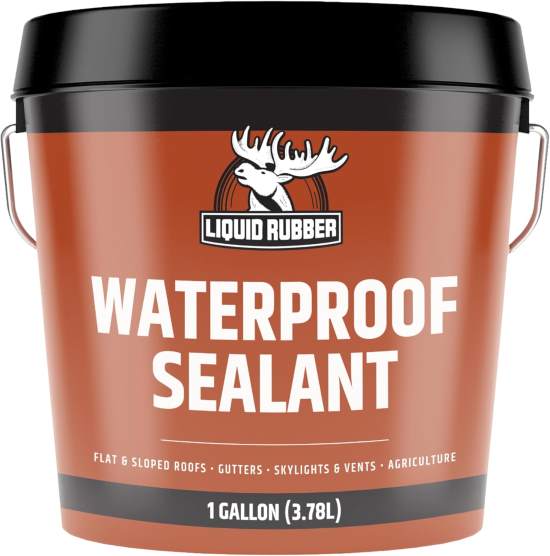
This liquid coating spreads with a brush or roller and cures into a flexible rubber layer. The texture feels thick yet workable, which helps fill minor cracks and seams. It performs well on flat roofs, gutters, and flashing transitions.
Homeowners appreciate its adaptability. The coating works indoors and outdoors, and layering builds additional protection. It also handles temperature shifts without cracking.
The main limitation involves drying time. Humid conditions slow curing, so planning around weather becomes necessary. Proper surface cleaning also affects adhesion.
User Review
Sandra P.
I coated a small flat roof section with this sealant after noticing pooling water. Application felt similar to thick paint, and after curing, the surface looked uniform. I applied two coats, which improved coverage.
Key Features
• Brush and roller application simplifies installation without specialized tools
• Flexible rubber membrane finish helps resist cracking from temperature shifts
• Layer build capability allows thicker waterproof protection when needed
• Indoor and outdoor compatibility supports multiple repair scenarios
• Seam filling consistency improves leak prevention across joints
Pros and Cons
| Pros | Cons |
| Easy brush on application | Longer curing in humidity |
| Flexible crack resistant finish | Requires multiple coats sometimes |
| Works on varied surfaces | Needs clean dry surface |
EternaBond RoofSeal White Roof Repair Tape
Self adhesive tape for fast sealing
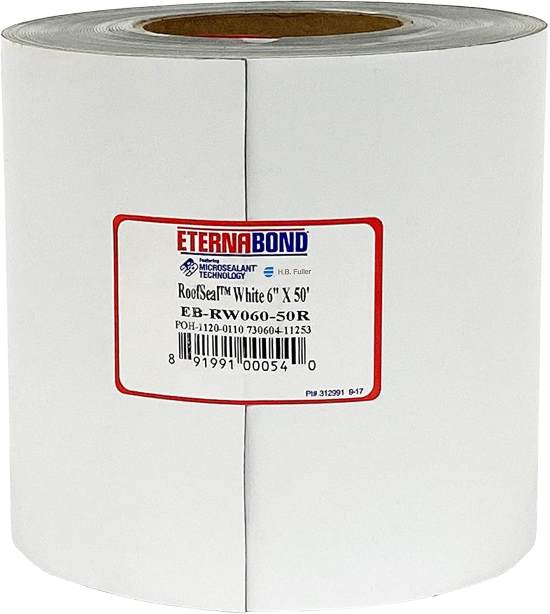
This 6 inch by 50 foot roll provides a thick adhesive tape designed for seams, tears, and flashing repairs. In real use, the tape feels dense with aggressive adhesion once pressure activates it. Installation involves peeling, positioning, and pressing firmly.
It suits quick leak repairs where coatings feel impractical. The tape works particularly well on RV roofs and metal seams. Longevity improves when applied on warm surfaces.
Surface cleanliness again matters. Dust or trapped air bubbles can reduce bond strength. The tape also requires careful alignment since repositioning proves difficult.
User Review
Greg H.
I patched a seam split on my shed roof using this tape. Once pressed down, it felt firmly sealed. Rolling it with a seam roller improved adhesion, and it held through several storms.
Key Features
• 6 inch wide coverage area seals larger seams without multiple strips
• Pressure activated adhesive layer simplifies installation without heat tools
• 50 foot roll length supports multiple repairs from one roll
• UV resistant backing surface helps maintain durability outdoors
• Flexible conforming design adapts to curved or uneven roof surfaces
Pros and Cons
| Pros | Cons |
| Quick leak repair solution | Hard to reposition tape |
| Strong adhesive sealing | Needs firm pressure application |
| Flexible seam coverage | Surface prep still required |
Hiksuky Suede Headliner Fabric with Foam Backing
Interior reinforcement material for roof liners
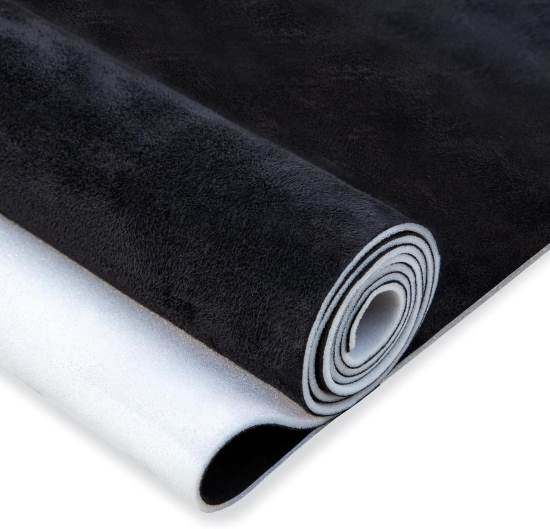
Although designed for automotive interiors, this suede fabric can assist in small roof related projects involving interior liner repair beneath roof structures. The foam backing provides cushioning and insulation when used under patched areas.
It suits hobbyists restoring sheds, campers, or interior roof panels. The fabric feels soft and manageable, cutting easily to fit irregular shapes. Adhesive backing or spray glue helps installation.
However, it does not function as an exterior waterproof material. Its role remains supportive rather than structural.
User Review
Lena D.
I used this fabric to redo the interior roof liner of my camper after fixing a leak. The foam backing made installation smoother, and it improved the finished look inside.
Key Features
• Foam backed fabric layer adds insulation and cushioning under repaired panels
• Easy cutting flexibility supports custom shaping for interior surfaces
• Soft suede texture finish improves interior aesthetics after repairs
• Lightweight material construction avoids adding unnecessary weight
• Versatile interior compatibility works in campers, sheds, and vehicle roofs
Pros and Cons
| Pros | Cons |
| Improves interior roof finish | Not exterior waterproof material |
| Easy to cut and shape | Requires adhesive for install |
| Lightweight supportive layer | Limited structural strength |
Dicor 501LSW Self Leveling Lap Sealant
Sealant for joints and roof penetrations
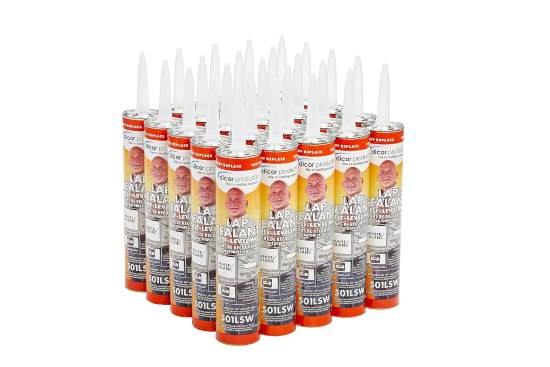
This 10.3 oz tube dispenses a self leveling sealant that spreads across joints, screw heads, and vent bases. In practice, the sealant flows slightly after application, which helps fill small gaps without extensive tooling.
It suits RV roofs and small residential penetrations such as vent pipes or antenna mounts. The white finish blends with many roof surfaces and resists cracking over time.
Because of its flow characteristics, vertical surfaces may need careful application. Excess sealant can spread beyond intended areas.
User Review
Robert T.
I sealed around a roof vent using this lap sealant. The self leveling action created a smooth bead without extra shaping. I applied masking tape to control edges, which helped keep the finish neat.
Key Features
• Self leveling formula fills gaps and creates smooth protective seals
• 10.3 oz tube size suits targeted repairs without waste
• Crack resistant finish layer helps maintain long term sealing performance
• Compatible with roof penetrations supports vents, screws, and fixtures
• UV stable white color blends with many roofing surfaces
Pros and Cons
| Pros | Cons |
| Smooth self leveling coverage | Can spread beyond target area |
| Good for penetrations sealing | Less suitable vertical surfaces |
| Simple caulking gun application | Requires neat masking work |
Rust Oleum 301994 Elastomeric Roof Coating
Reflective protective coating for large areas
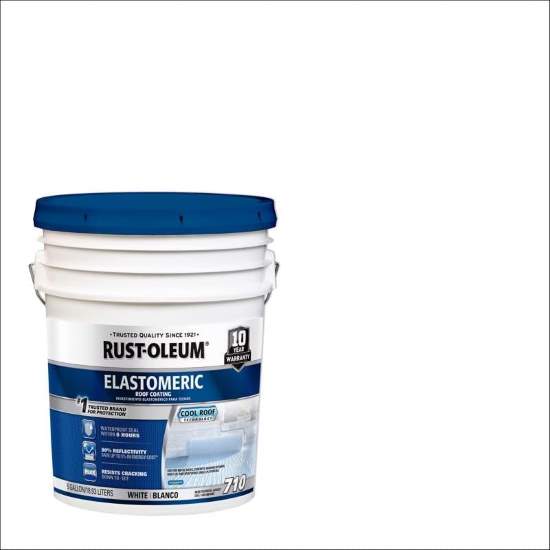
This 4.75 gallon coating targets broad roof coverage with a thick elastomeric layer. The coating spreads with rollers and forms a reflective surface that reduces heat absorption. In real use, it feels heavy yet manageable with extension rollers.
It suits homeowners refreshing aging flat or low slope roofs. Multiple coats enhance waterproofing and surface longevity. The reflective finish also helps reduce interior heat gain.
Application requires dry weather and careful mixing. Large container size may feel excessive for small repairs.
User Review
Thomas L.
I applied this coating on my garage roof. Two coats created a uniform finish that looked brighter and smoother. It took time to roll evenly, but coverage felt consistent.
Key Features
• Large 4.75 gallon coverage supports full roof resurfacing projects
• Elastomeric flexibility layer adapts to minor roof movement without cracking
• Reflective white surface helps reduce heat absorption and cooling demand
• Roller friendly application simplifies installation across wide areas
• Weather resistant coating film improves roof lifespan when maintained
Pros and Cons
| Pros | Cons |
| Good large area coverage | Requires multiple coats often |
| Reflective cooling surface | Heavy container handling |
| Flexible crack resistant layer | Needs dry weather window |
Flex Seal Liquid Rubber Sealant Coating
General purpose liquid seal for quick repairs
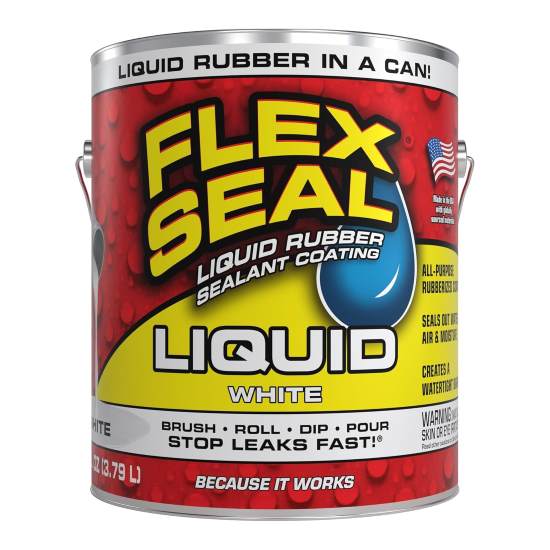
This one gallon liquid sealant spreads into a rubberized barrier after curing. It feels thick and slightly sticky during application, which helps it cling to uneven surfaces. The coating suits small leak repairs, gutters, and flashing transitions.
Homeowners appreciate its versatility. Brush, roller, or pour methods all work depending on the repair. The coating also handles minor movement without cracking.
Like other coatings, curing time varies with weather. Thin layers dry faster, while thicker patches require patience.
User Review
Angela M.
I sealed a gutter seam with this coating after noticing drips. It spread easily and formed a smooth rubber layer. A second coat improved durability.
Key Features
• One gallon manageable size balances coverage with storage convenience
• Rubberized waterproof finish helps block moisture intrusion across seams
• Multiple application methods support brushing, rolling, or pouring repairs
• Flexible cured membrane layer adapts to minor roof movement
• Versatile surface compatibility works on metal, wood, and masonry
Pros and Cons
| Pros | Cons |
| Flexible waterproof seal layer | Curing depends on weather |
| Works on many surfaces | Requires multiple coats sometimes |
| Easy application methods | Strong odor during install |
Buying Guide
What Actually Matters Before Choosing
Core performance factors
Performance revolves around adhesion strength, flexibility, and weather resistance. Buyers often assume waterproof equals durable, yet rigid sealants can crack when roofs expand and contract. Materials that balance bonding with elasticity usually maintain protection longer. This balance directly affects how often repairs need repeating.
Material quality and durability
Higher quality formulations resist UV degradation, temperature swings, and moisture infiltration. Many homeowners underestimate how sun exposure weakens low grade sealants. Durability influences not only repair longevity but also maintenance frequency, making initial material choice critical.
Usability and installation experience
Ease of application shapes repair success. Products requiring heat tools or precise mixing may intimidate beginners, leading to poor installation. Buyers sometimes focus on product strength without considering skill requirements. Matching complexity to experience level often determines satisfaction.
Maintenance and ownership effort
Some coatings need periodic recoating or inspection to maintain performance. Buyers often overlook this ongoing commitment. Maintenance friendly materials with visual wear indicators simplify ownership and help detect issues early.
Environmental compatibility
Roof materials interact with local climate. High humidity slows curing, while extreme heat accelerates drying. Buyers frequently assume universal compatibility. Choosing products suited to temperature range and moisture levels prevents premature failure.
Safety considerations
Safety extends beyond installation hazards. Chemical exposure, ventilation needs, and flame tools introduce risks. Many DIY users underestimate these factors. Selecting safer application methods can improve both comfort and repair outcomes.
Related:
Exceptional Roof Types for Every Structure
Guide to Choose a Top Rated Roofing Specialist
Common Buyer Mistakes
Many buyers treat roof repair materials as interchangeable. This assumption fails when adhesives lack flexibility for dynamic surfaces. Evaluating material movement tolerance provides better results.
Another mistake involves skipping surface preparation. Dust, oil, and moisture weaken adhesion even for high quality products. Cleaning and drying surfaces significantly improve durability.
Some homeowners overapply sealants expecting extra protection. Thick layers often trap moisture or cure unevenly. Following recommended layering improves performance.
Buyers also ignore weather timing. Applying coatings before rain or during extreme humidity can compromise curing. Planning around stable weather windows enhances reliability.
Tool selection mistakes also occur. Using inadequate rollers or caulking guns leads to uneven application. Investing in proper tools often improves finish and longevity.
Finally, many underestimate inspection frequency. Repairs still require periodic checks. Neglecting this step allows minor issues to escalate.
How to Match Products to Specific Needs
Casual users handling small leaks often benefit from tapes or brush on sealants. These options minimize complexity and provide quick results without specialized equipment.
Frequent DIY users tackling larger repairs may prefer elastomeric coatings or structural adhesives. These materials support broader coverage and durable reinforcement.
Small space or portable needs favor compact tubes or gallon sized coatings. Oversized containers can create storage challenges and material waste.
Homeowners focused on longevity rather than short term fixes should consider flexible coatings and high quality sealants. These materials typically require less frequent reapplication.
Advanced users comfortable with heat tools or mixing systems can explore epoxy bonding and torch assisted repairs. Their skill level allows them to leverage stronger materials effectively.
Conclusion
Roof repair materials differ widely in purpose and performance. Some excel at quick sealing, while others strengthen structural joints or refresh aging surfaces. Understanding how each product behaves during installation and over time helps avoid unnecessary rework.
Choosing wisely involves matching material flexibility, durability, and complexity with the repair scenario. Homeowners who prepare surfaces carefully and plan around weather conditions often see better outcomes.
Use this guide as a reference point when evaluating repair needs. A thoughtful material choice can extend roof life, reduce maintenance effort, and support long term home value.
FAQs
What is the easiest roof repair material for beginners
Self adhesive roof tape and brush on sealants usually offer the simplest installation.
How often should roof repair coatings be reapplied
Most coatings benefit from inspection every year and recoating when wear appears.
Can sealants replace full roof replacement
Sealants help manage localized damage but cannot resolve widespread structural failure.
Do roof tapes work in cold weather
They can work but adhesion improves when surfaces remain warm and dry.
Is surface cleaning really necessary before repairs
Clean surfaces significantly improve adhesion and overall repair durability.


