3D printing has moved far beyond hobby status. Schools, research labs, and small manufacturing setups now rely on additive fabrication for prototyping and production. According to data from the U.S. National Science Foundation, additive manufacturing adoption in education and research has grown by over 25 percent in the past five years. Meanwhile, a UK government manufacturing report notes that desktop printers now account for a meaningful share of rapid prototyping workflows.
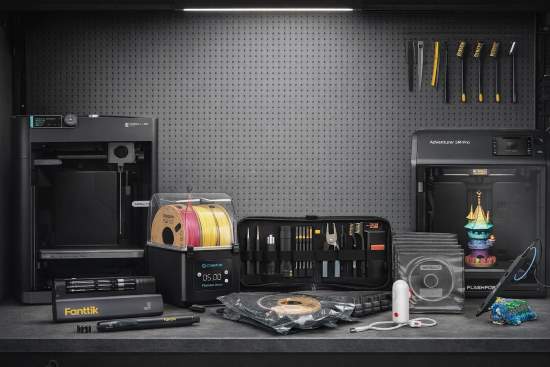
As this ecosystem grows, so does the need for reliable tools that support preparation, finishing, storage, and maintenance. Printers alone rarely deliver consistent results without supporting gear. From tool kits to filament dryers and high precision machines, the right setup shapes both workflow efficiency and final print quality. This guide explores 8 tools for 3D printing that stand out for everyday practicality and real world usability.
A Quick Overview of The Best Tools for 3D Printing
These tools for 3D printing cover preparation, finishing, filament care, creative experimentation, and printer performance.
- Fanttik F2 Master 3D Printer Tool Kit
- MYNT3D Super 3D Pen
- Creality Official 2.0 Filament Dry Box
- Vacbird Filament Storage Box
- 68Pcs 3D Printer Tools Kit with Storage Bag
- FLASHFORGE Adventurer 5M Pro 3D Printer
- Comgrow Filament Dryer Box
- Bambu Lab P1S Enclosed 3D Printer
Best Tools for 3D Printing of 2026
A strong 3D printing setup blends precision tools, filament care solutions, and dependable printers. The following tools for 3D printing represent equipment that supports smoother workflows and more consistent results.
Fanttik F2 Master 3D Printer Tool Kit
Versatile finishing and maintenance bundle
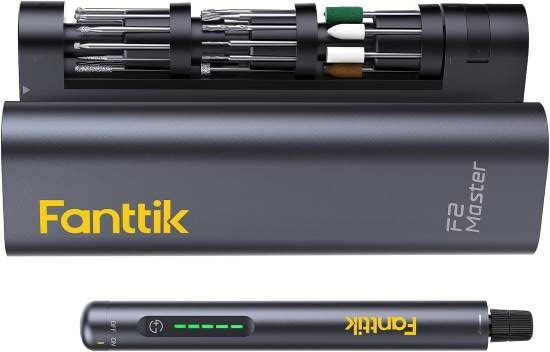
The Fanttik F2 kit feels designed for real post processing work rather than occasional touch ups. The assortment includes trimming tools, deburring blades, sanding accessories, and polishing components that handle both PLA and tougher filaments. In hand, the tools feel balanced and controlled, which matters during delicate cleanup on small prints.
This kit suits hobbyists and frequent printers who want one organized solution rather than scattered tools. It performs well during support removal and surface smoothing, particularly on figurines and functional parts. Storage stays tidy thanks to its compact layout.
Maintenance remains straightforward since most tools use replaceable blades or standard abrasive parts. Beginners may need time to learn proper pressure techniques, and the kit may feel excessive for very casual printing.
User Review
Daniel R.
I used to struggle with rough edges after printing. This kit made cleanup feel controlled. The sanding tools especially improved surface finish on small mechanical parts.
Key Features
• Wide finishing tool variety helps handle trimming, sanding, and polishing without extra purchases
• Comfortable grip handles reduce hand fatigue during longer cleanup sessions
• Compact case organization keeps tools easy to locate and transport
• Replaceable blades system lowers long term ownership cost and downtime
• Suitable for multiple filament types supports PLA, PETG, and basic ABS finishing needs
Pros and Cons
| Pros | Cons |
| Complete post processing set | Slight learning curve initially |
| Comfortable handling feel | Overkill for occasional printing |
| Organized storage case included | Replacement parts needed eventually |
MYNT3D Super 3D Pen
Creative repair and detailing tool
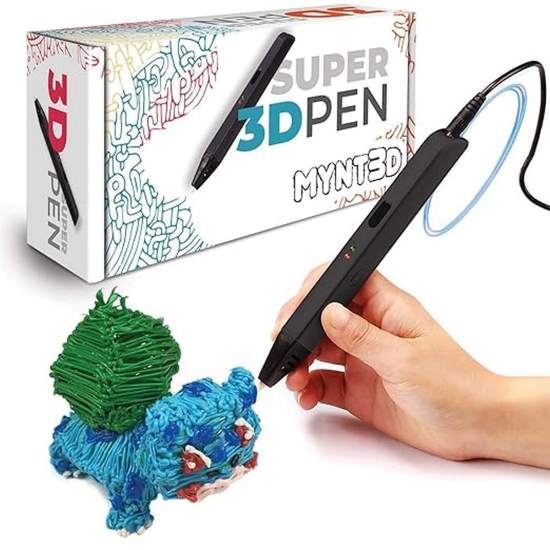
The MYNT3D pen introduces flexibility that standard printers cannot offer. It allows manual extrusion for repairing cracks, reinforcing joints, or adding decorative accents. The pen feels lightweight and balanced, which helps during longer sketching sessions.
It works well for educators, makers, and artists who want freehand creativity alongside printed parts. Temperature control allows compatibility with both PLA and ABS, which expands material options. Repairs on broken prints become surprisingly manageable with careful layering.
Maintenance involves nozzle cleaning and careful filament storage. Precision depends on user skill, so beginners may see inconsistent lines at first. It may not suit those focused purely on production workflows.
User Review
Maria L.
I use the pen mainly for fixing print seams and adding texture. After some practice, it became an essential finishing tool.
Key Features
• Adjustable temperature control improves compatibility across common filament types
• Lightweight ergonomic design supports longer creative sessions without strain
• OLED display feedback helps monitor settings during detailed work
• Replaceable nozzle design simplifies maintenance and extends usability
• Fine extrusion capability enables small repairs and decorative details
Pros and Cons
| Pros | Cons |
| Encourages creative modifications | Requires practice for precision |
| Works with common filaments | Not ideal for production tasks |
| Useful repair capability | Occasional nozzle clogging |
Creality Official 2.0 Filament Dry Box
Reliable moisture control solution
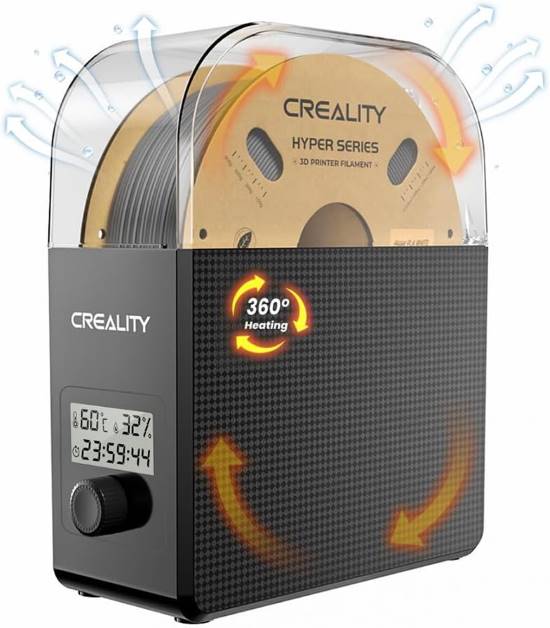
Filament moisture often causes brittle prints and stringing. This Creality dry box addresses that issue through controlled heating and enclosed storage. The box accommodates standard spool sizes and feels sturdy enough for daily use.
It suits users working in humid climates or those printing with hygroscopic materials like nylon. The drying process improves extrusion consistency and reduces failed prints. Transparent sections allow visual monitoring without opening the box.
Maintenance involves occasional cleaning and verifying temperature settings. Some users may find drying cycles slow, and multiple spools require separate storage solutions.
User Review
Ahmed S.
Living in a humid area, I noticed better layer adhesion after using this dryer. Failed prints dropped noticeably.
Key Features
• Consistent moisture removal improves extrusion stability and print reliability
• Spool visibility window helps monitor filament levels without disruption
• User friendly control panel simplifies temperature and drying adjustments
• Compatible with common spool sizes avoids specialized filament limitations
• Quiet operation design keeps workspace distraction minimal
Pros and Cons
| Pros | Cons |
| Noticeable print quality improvement | Slow drying cycles possible |
| Simple control interface | Single spool capacity |
| Solid enclosed design | Requires dedicated space |
Vacbird Filament Storage Box
Passive long term filament protection
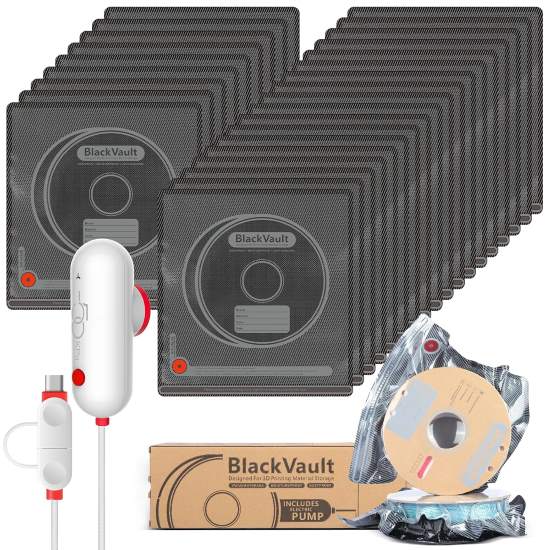
The Vacbird box focuses on storage rather than active drying. Its light proof and moisture resistant design helps preserve filament integrity between prints. The container feels robust and seals securely, which matters for extended storage.
It suits users with multiple spools or infrequent printing schedules. Prints benefit from stable filament condition even after months of storage. The compact size makes stacking feasible in small workshops.
Maintenance mainly involves replacing desiccant packs. It does not actively dry already damp filament, which limits its use after exposure to humidity.
User Review
Chloe W.
I rotate several filament colors. This box kept older spools usable without brittleness issues.
Key Features
• Moisture resistant sealing system preserves filament quality over long storage periods
• Light blocking structure prevents UV degradation of sensitive materials
• Compact stackable design saves workspace and storage area
• Desiccant compatibility allows flexible moisture control adjustments
• Clear spool visibility sections help identify stored materials easily
Pros and Cons
| Pros | Cons |
| Strong moisture protection design | No active drying function |
| Compact storage solution | Desiccant replacement required |
| Good for long storage | Limited spool capacity |
68Pcs 3D Printer Tools Kit with Storage Bag
Comprehensive beginner accessory set
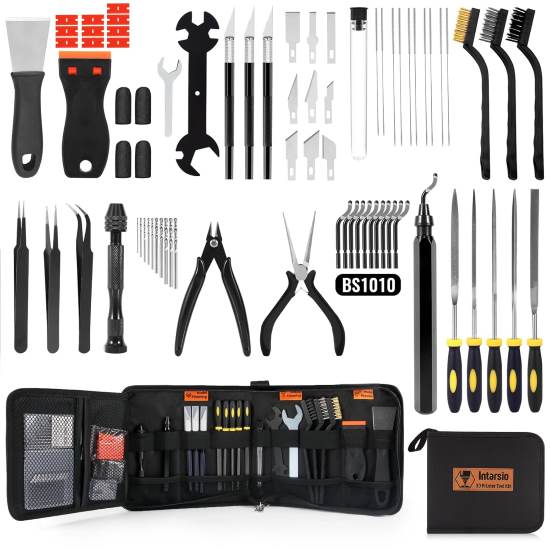
This 68 piece kit covers essential maintenance and cleanup tasks without overwhelming complexity. Tools include scrapers, tweezers, cleaning needles, and finishing accessories. The storage bag keeps everything portable and accessible.
It suits beginners setting up their first printing workspace or hobbyists needing a backup toolkit. The variety supports routine maintenance, support removal, and bed preparation tasks. Tools feel basic but functional.
Durability varies across pieces, and frequent users may replace certain items over time. Still, it performs reliably for everyday tasks and troubleshooting.
User Review
Jason P.
The kit helped me learn essential maintenance steps. Having everything in one bag made setup easier.
Key Features
• Broad tool selection coverage supports maintenance, cleanup, and troubleshooting tasks
• Portable storage bag included simplifies transport and workspace organization
• Beginner friendly tool assortment reduces learning barriers for new users
• Essential cleaning tools provided help maintain nozzle and bed condition
• Useful support removal tools improve post processing efficiency
Pros and Cons
| Pros | Cons |
| Good starter accessory range | Mixed tool durability |
| Portable storage bag | Basic quality feel |
| Covers routine maintenance tasks | Some rarely used tools |
FLASHFORGE Adventurer 5M Pro 3D Printer
Reliable enclosed performance printer
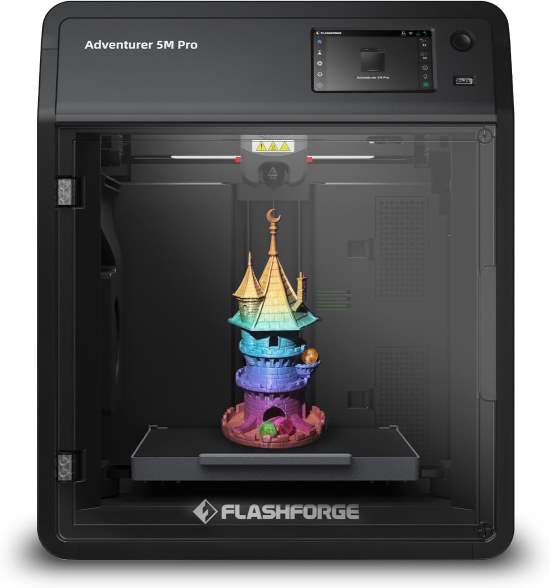
The Adventurer 5M Pro emphasizes controlled printing through its enclosed design and balanced build volume. Setup feels guided and intuitive, which benefits newer users transitioning from entry level machines. The printer operates quietly and maintains stable temperatures.
It suits home workshops and small studios seeking dependable prints with minimal tweaking. Enclosure improves ABS printing reliability and reduces environmental interference. Routine calibration remains manageable through guided software prompts.
Maintenance includes nozzle care and occasional bed adjustments. Advanced users may desire broader customization options, but everyday reliability remains its strength.
User Review
Oliver T.
The enclosure made ABS printing much more consistent. Setup was smoother than previous printers I owned.
Key Features
• Enclosed printing environment stabilizes temperature and improves material compatibility
• Moderate build volume capacity supports both prototypes and functional parts
• Guided setup workflow reduces configuration errors for beginners
• Quiet operational design allows comfortable indoor printing
• Stable motion system performance improves layer consistency and surface finish
Pros and Cons
| Pros | Cons |
| Consistent enclosed printing results | Limited advanced customization |
| Quiet workspace operation | Moderate build volume limits |
| User friendly setup process | Occasional bed calibration needed |
Comgrow Filament Dryer Box
Flexible drying and storage combination
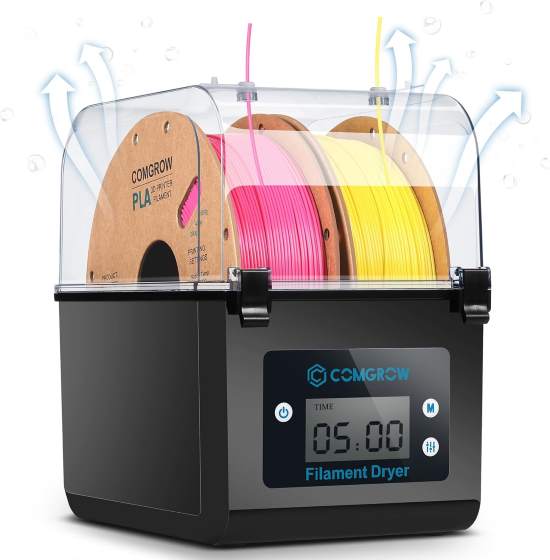
The Comgrow dryer box blends storage with active moisture removal. It accommodates common spool sizes and provides adjustable drying settings. The device feels practical for daily workflows where filament rotates frequently.
It suits users experimenting with multiple materials, especially hygroscopic filaments. Drying cycles restore filament usability and reduce printing defects. Transparent housing allows monitoring during drying.
Maintenance involves periodic cleaning and monitoring humidity levels. Larger spool collections may require multiple units.
User Review
Priya K.
I rotate PETG and nylon often. This dryer helped maintain consistent extrusion without stringing issues.
Key Features
• Adjustable drying settings support different filament material requirements
• Transparent monitoring window allows visual checks during drying cycles
• Multi function storage capability reduces need for separate containers
• Consistent moisture control improves layer adhesion and extrusion flow
• User friendly interface design simplifies everyday operation
Pros and Cons
| Pros | Cons |
| Effective moisture removal performance | Limited multi spool capacity |
| Easy to operate controls | Requires dedicated workspace |
| Combines drying and storage | Drying time varies |
Bambu Lab P1S Enclosed 3D Printer
High precision multi material system
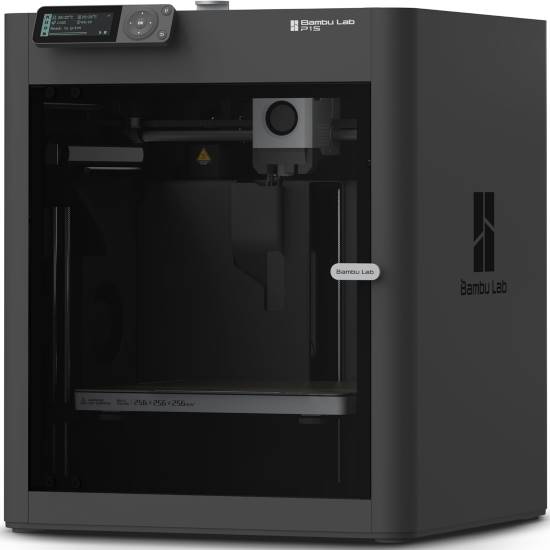
The P1S stands out for precision and multi material capability within a compact enclosed frame. Prints feel consistently detailed, and the enclosure supports engineering filaments that benefit from stable temperature control. Motion stability contributes to reliable surface finish.
It suits advanced hobbyists and professionals needing speed and accuracy. Multi material capability expands design flexibility, especially for functional prototypes. Software integration simplifies workflow monitoring and calibration.
Maintenance includes periodic calibration checks and cleaning routines. The printer may feel complex for beginners unfamiliar with advanced workflows.
User Review
Ethan M.
The print consistency impressed me. Multi material capability opened new design possibilities for functional parts.
Key Features
• High precision motion system improves dimensional accuracy and surface quality
• Multi material support capability expands design flexibility for complex prints
• Enclosed chamber stability enables reliable printing with demanding filaments
• Integrated software monitoring tools simplify workflow tracking and calibration
• Compact footprint design fits small studios without sacrificing performance
Pros and Cons
| Pros | Cons |
| Excellent print detail consistency | Learning curve for beginners |
| Multi material flexibility | Requires routine calibration |
| Stable enclosed printing environment | Higher workflow complexity |
Related:
Streamline Your Painting Projects with the 3M Hand-Masker Dispenser
The Do’s and Don’ts of Using Painter’s Tape: A Comprehensive Guide
Buying Guide
What Actually Matters Before Choosing
Core performance factors
Performance depends on precision, temperature stability, and workflow compatibility. Many buyers focus on peak speed or advertised resolution, but real use reveals that reliability matters more. Stable extrusion and predictable calibration reduce failed prints and wasted material. Long term satisfaction grows when tools integrate smoothly into daily routines rather than chasing isolated specs.
Material quality and durability
Durable tools maintain accuracy and safety over time. Cheap blades dull quickly, and poorly sealed storage allows filament degradation. Buyers often underestimate wear caused by repeated cleanup and maintenance. Investing in solid materials reduces replacement frequency and ensures consistent results across projects.
Usability and comfort
Comfort directly affects productivity. Ergonomic grips, intuitive controls, and visible feedback screens reduce fatigue and mistakes. Many users overlook how repetitive finishing or troubleshooting tasks feel over extended sessions. Tools that remain comfortable encourage regular maintenance and better print quality.
Maintenance demands
Every tool introduces upkeep requirements. Dry boxes need monitoring, printers need calibration, and finishing tools require cleaning. Buyers sometimes assume maintenance remains minimal, which leads to frustration. Understanding upkeep effort helps set realistic expectations and prevents workflow disruption.
Environmental compatibility
Humidity, workspace size, and ventilation influence tool choice. Filament dryers become essential in humid environments, while enclosed printers suit temperature sensitive materials. Buyers frequently underestimate environmental effects on print quality, which explains inconsistent results across locations.
Safety considerations
Heated tools, sharp finishing accessories, and moving printer components require attention. Safety features such as stable enclosures and temperature control systems reduce risk. Ignoring safety often leads to minor accidents or damaged prints, affecting both workflow confidence and long term usability.
Common Buyer Mistakes
Many buyers assume that a high end printer alone guarantees perfect prints. In practice, finishing tools and filament care play equal roles. Without them, surface defects and extrusion issues persist.
Another mistake involves ignoring filament storage. Users often store spools in open environments, only noticing moisture damage after repeated print failures. Proper storage prevents material waste and frustration.
Some buyers overestimate tool complexity requirements. Beginners sometimes purchase specialized equipment before mastering basic maintenance. This creates unnecessary learning pressure rather than improving results.
A frequent misconception centers on speed. Faster printing settings appear attractive, but they often introduce quality inconsistencies. Balanced workflow settings deliver better long term reliability.
Another error involves neglecting ergonomics. Users rarely consider hand fatigue or workflow comfort until extended sessions cause strain. Comfortable tools sustain productivity and encourage regular upkeep.
Finally, buyers underestimate environmental influence. Humidity and temperature fluctuations silently affect print quality, making dryers and enclosures more valuable than initially expected.
How to Match Products to Specific Needs
Casual users benefit from starter tool kits and storage boxes that simplify maintenance without adding complexity. Their workflows prioritize convenience and occasional creativity.
Frequent hobbyists often require drying solutions and more advanced finishing tools. Regular printing increases exposure to moisture and wear, making reliable maintenance tools essential.
Small workspace users should prioritize compact storage boxes and enclosed printers. Limited space demands efficient organization and controlled printing environments.
Longevity focused buyers benefit from durable kits and filament care solutions. Their priority lies in preserving materials and maintaining consistent results across long periods.
Advanced users typically require precision printers and multi material capabilities. Their workflows involve experimentation, complex prototypes, and material variety, which demands reliable environmental control and calibration tools.
Conclusion
A dependable 3D printing setup extends beyond the printer itself. Finishing kits refine surfaces, storage solutions preserve filament quality, and dryers maintain extrusion consistency. Printers then translate that preparation into reliable results.
Choosing the right combination depends on workflow frequency, environmental conditions, and experience level. Beginners often benefit from broad tool kits, while advanced users gain more from precision printers and controlled storage solutions. Evaluating real use scenarios rather than specifications leads to better long term satisfaction. Use this guide as a reference point to build a balanced and practical 3D printing workspace.
FAQs
Do filament dryers really improve print quality
Yes, removing moisture helps maintain consistent extrusion and reduces stringing.
Is a 3D pen useful for repairs
A pen allows manual reinforcement and seam fixing that printers cannot easily achieve.
How often should finishing tools be replaced
Replacement depends on usage frequency and material wear during cleanup.
Are enclosed printers necessary for beginners
They are not required but can improve reliability with certain filaments.
Can filament storage boxes replace dryers
Storage boxes preserve dry filament but cannot restore moisture damaged spools.