
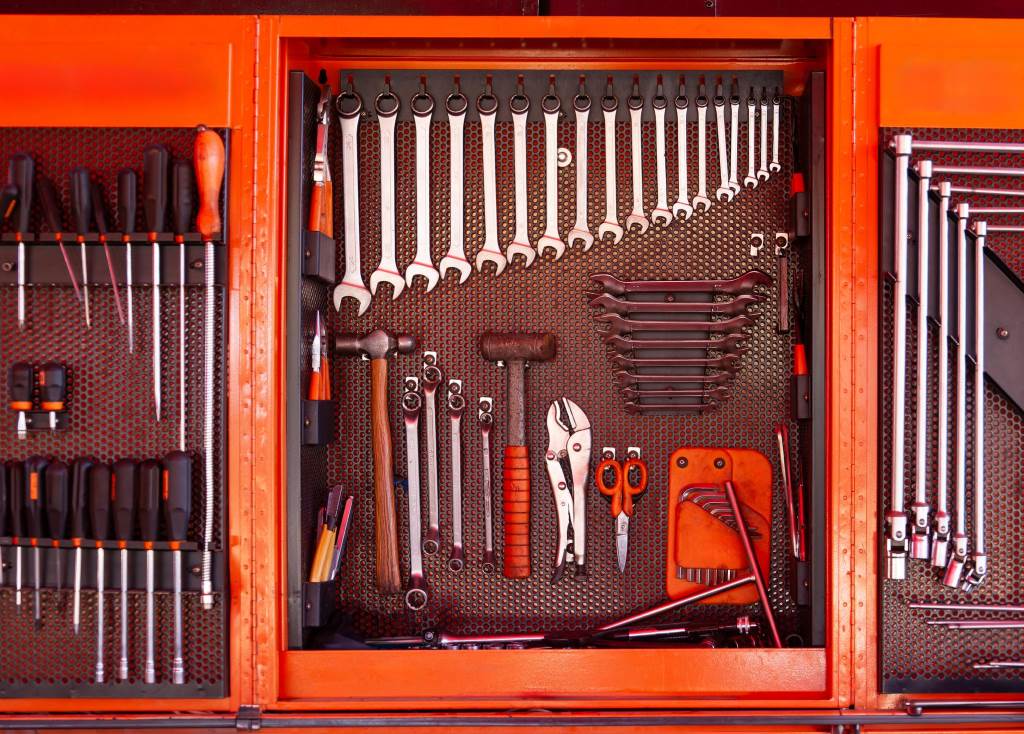
Every great mechanic starts with the right tools. However, many beginners and even experienced DIY enthusiasts often waste time and effort using incomplete or low quality toolkits. According to the U.S. Bureau of Labor Statistics, the demand for skilled mechanics continues to grow steadily, which means having the right equipment is more important than ever. At the same time, studies from National Institute for Automotive Service Excellence show that proper tools for mechanics improve repair accuracy and safety. In simple terms, your toolkit defines your efficiency, precision, and confidence. This guide will walk you through building the ultimate mechanic tool kit step by step, using practical advice and real world insights.
Why a Complete Mechanic Tool Kit Matters
A complete tool kit is not just about convenience. It directly affects how well and how safely you work. When you have the right tools, tasks become faster and more accurate. As a result, you avoid damaging parts or making costly mistakes.
Moreover, a well planned toolkit helps you stay organized. Instead of searching for tools mid repair, you can focus fully on the job. This improves workflow and reduces stress.
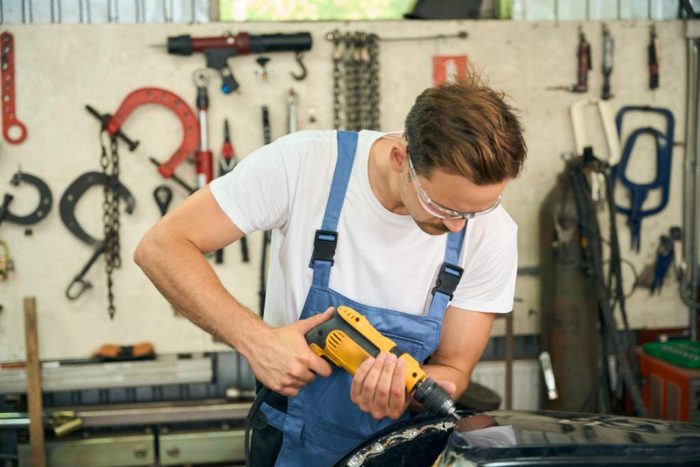
In addition, using proper tools reduces physical strain. For example, ergonomic handles and correct sizes prevent unnecessary effort. Over time, this protects your hands and joints.
Finally, having a full toolkit prepares you for unexpected repairs. Whether you are working at home or in a professional shop, readiness gives you confidence and control.
Core Hand Tools Every Mechanic Needs
Hand tools form the foundation of any mechanic toolkit. Without them, even basic repairs become difficult.
Socket and Ratchet Sets
Socket sets are essential for loosening and tightening bolts. A good set includes both metric and standard sizes. Ratchets allow you to work quickly in tight spaces.
Deep sockets are also useful for reaching longer bolts. Meanwhile, extensions help you access hard to reach areas. These tools are used daily, so quality matters.
Wrenches and Spanners
Wrenches come in various types, including open end and box end. Combination wrenches offer both in one tool, making them highly versatile.
Adjustable wrenches add flexibility, especially when dealing with unknown sizes. However, fixed size wrenches provide better grip and precision.
Screwdrivers and Nut Drivers
A complete screwdriver set includes flathead and Phillips types. Magnetic tips are especially helpful when working in tight areas.
Nut drivers are also important. They allow you to handle small fasteners more efficiently than standard screwdrivers.
Pliers and Cutters
Pliers are multi purpose tools used for gripping, bending, and cutting. Common types include needle nose, slip joint, and locking pliers.
Cutters help with wires and small components. Together, these tools make delicate tasks easier and more controlled.
Power Tools That Boost Efficiency
While hand tools are essential, power tools save time and effort. They also improve consistency in demanding tasks.
Impact Wrench
An impact wrench is a must have for removing stubborn bolts. It delivers high torque with minimal effort. This makes it ideal for wheel lug nuts and engine work.
Cordless models offer portability, while corded versions provide consistent power.
Power Drill
A drill is useful for more than just drilling holes. It can also drive screws and fasteners quickly.
With the right attachments, a drill becomes a versatile tool for many repair tasks.
Angle Grinder
Angle grinders are used for cutting, grinding, and polishing. They are especially useful when dealing with rusted or damaged parts.
However, safety is crucial. Always use proper protective gear when operating this tool.
Specialty Tools for Advanced Repairs
As your skills grow, you will need specialized tools. These tools handle specific tasks that standard tools cannot.
Torque Wrench
A torque wrench ensures bolts are tightened to the correct specification. This is critical for engine components and safety related parts.
Incorrect torque can lead to serious damage or failure. Therefore, this tool is essential for precision work.
OBD2 Scanner
Modern vehicles rely on electronic systems. An OBD2 scanner helps diagnose issues quickly by reading error codes.
This tool saves time and reduces guesswork. It is especially useful for troubleshooting engine problems.
Brake Tools
Brake maintenance requires specific tools such as caliper compressors. These tools make the job safer and more efficient.
Without them, brake work can become frustrating and risky.
Feeler Gauges
Feeler gauges measure small gaps between components. They are used in engine tuning and valve adjustments.
Accuracy is key here, so high quality gauges are important.
Tool Storage and Organization
Having the right tools is only half the job. Proper storage keeps everything accessible and in good condition.
Toolboxes and Cabinets
A sturdy toolbox protects your tools from damage. Larger cabinets provide more storage and better organization.
Drawers with labels help you find tools quickly. This saves time during repairs.
Tool Bags for Mobility
If you work in different locations, a tool bag is useful. It allows you to carry essential tools بسهولة.
Choose a bag with multiple compartments for better organization.
Organization Tips
To keep your toolkit efficient, follow these tips:
- Group tools by type
- Clean tools after use
- Return tools to their place immediately
- Regularly check for missing items
Safety Equipment You Should Not Ignore
Safety is just as important as skill. Without proper protection, even simple tasks can become dangerous.
Essential Safety Gear
Every mechanic should have:
- Safety gloves for hand protection
- Eye protection to prevent injuries
- Ear protection when using loud tools
- Steel toe boots for foot safety
Why Safety Matters
Accidents often happen due to carelessness or lack of preparation. However, using proper safety gear reduces risks significantly.
In addition, safe practices improve confidence and focus. When you feel secure, you work better.
How to Build Your Tool Kit Step by Step
Building a toolkit does not happen overnight. Instead, it grows with your experience.
Step 1 Start with Basics
Begin with essential hand tools. Focus on quality rather than quantity.
Step 2 Add Power Tools
Once you are comfortable, invest in power tools. These will improve speed and efficiency.
Step 3 Expand with Specialty Tools
As you take on advanced repairs, add specialized tools. Choose tools based on your needs.
Step 4 Maintain and Upgrade
Regularly inspect your tools. Replace worn items and upgrade when necessary.
Common Mistakes to Avoid
Many mechanics make avoidable mistakes when building their toolkit.
- Buying cheap tools that break easily
- Ignoring organization and storage
- Skipping safety equipment
- Purchasing tools they rarely use
Avoiding these mistakes saves time and effort in the long run.
Conclusion
Building the ultimate tool kit for mechanics is a smart investment in your skills and efficiency. Start with essential hand tools, then expand into power and specialty tools as your experience grows. Keep everything organized and prioritize safety at all times. A well built toolkit not only improves your work but also boosts your confidence. Take action today and start building a toolkit that supports your success.
FAQs
What tools does every beginner mechanic need?
Every beginner should start with basic hand tools such as socket sets, wrenches, screwdrivers, and pliers. These tools cover most common repairs and provide a strong foundation.
How often should I replace my tools?
You should replace tools when they show signs of wear or damage. Regular inspection helps ensure safety and performance.
Are expensive tools always better?
Not always, but high quality tools usually last longer and perform better. It is better to invest in reliable tools for frequent use.
What is the most important tool in a mechanic toolkit?
A socket and ratchet set is often considered the most important because it is used in almost every repair.
How can I keep my tools organized?
Use labeled drawers, toolboxes, and regular cleaning routines. Always return tools to their place after use.


