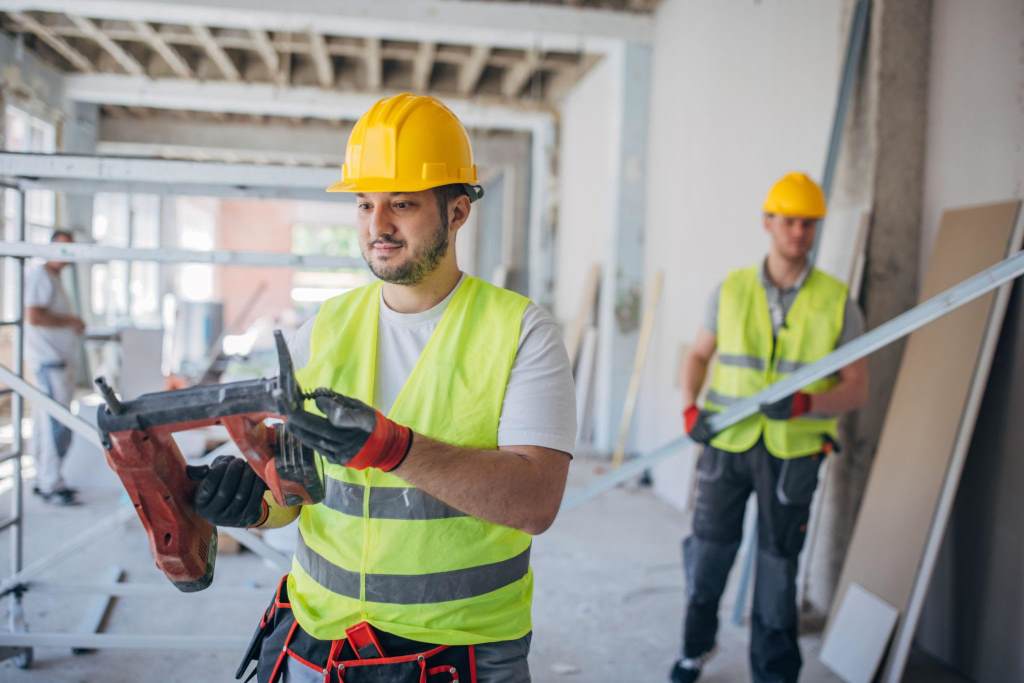
Power tools can transform any project from slow and frustrating to fast and precise. Among them, the nail gun stands out as a true time saver. According to the U.S. Consumer Product Safety Commission, nail guns send over 37,000 people to emergency rooms each year, mostly due to improper use. At the same time, studies from construction safety groups show that proper handling reduces injury risk by more than 70 percent.
So, learning how to use a nail gun safely and efficiently is not optional. It is essential. Whether you are a DIY enthusiast or a professional contractor, mastering this tool can improve your results and protect you from serious harm.
What Is a Nail Gun and How Does It Work
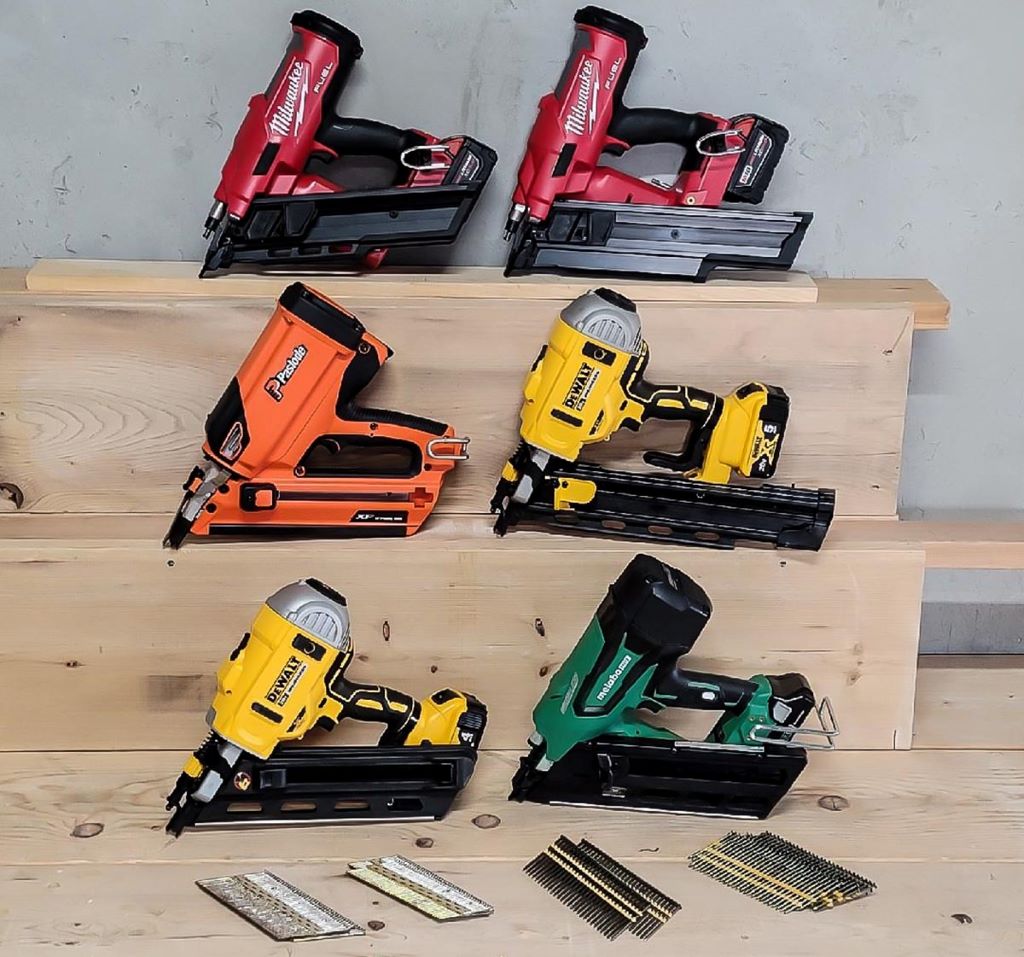
A nail gun is a power tool designed to drive nails into wood or other materials quickly and accurately. Instead of using a hammer, it uses compressed air, electricity, or fuel cells to push nails into surfaces with force.
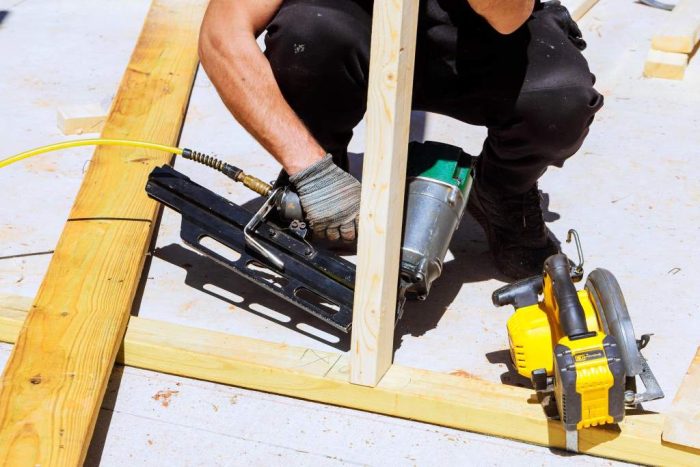
There are three main types you will commonly see:
- Pneumatic nail guns use compressed air and are popular in professional settings
- Cordless electric nail guns offer portability and convenience
- Gas powered nail guns combine fuel cells and batteries for high mobility
Each type has its own strengths. However, all require careful handling. Because of their power, even a small mistake can cause injury or damage materials.
Types of Nail Guns and Their Uses
Choosing the right nail gun improves both safety and efficiency. Different projects demand different tools.
Framing Nail Gun
This heavy duty tool handles structural work. Builders use it for framing walls, decks, and large wood structures.
Finish Nail Gun
Finish nailers are ideal for trim work, cabinets, and molding. They leave smaller holes, which improves appearance.
Brad Nailer
A brad nailer works best for delicate tasks like attaching thin wood pieces. It reduces the risk of splitting wood.
Roofing Nail Gun
Roofing nailers are designed for shingles and other roofing materials. They drive nails at consistent depths.
Selecting the correct type ensures smoother workflow and better results. It also reduces the chance of accidents caused by tool misuse.
Essential Safety Rules Before Using a Nail Gun
Before pulling the trigger, safety must come first. Many injuries occur because users skip basic precautions.
Here are key safety rules you should always follow:
- Always wear safety glasses to protect your eyes
- Use hearing protection in noisy environments
- Keep your hands at least several inches away from the firing area
- Never point the nail gun at yourself or others
- Disconnect power when not in use
- Check the tool for damage before starting
Additionally, choose a nail gun with a sequential trigger if you are new. This type requires you to press the safety tip before firing, which reduces accidental discharge.
Step by Step Guide to Using a Nail Gun Safely
Step 1: Read the Manual
Start by understanding your specific tool. Each model has unique features. Reading the manual helps you avoid mistakes and use it correctly.
Step 2: Load Nails Properly
Open the magazine and load the correct nail size. Make sure the strip is aligned correctly. Improper loading can jam the tool or cause misfires.
Step 3: Adjust Depth Settings
Set the nail depth based on your material. Softer wood requires less force, while hardwood needs more. Proper adjustment ensures clean finishes.
Step 4: Position the Tool Correctly
Place the nail gun firmly against the surface. Keep it straight to avoid angled nails. This step improves both safety and precision.
Step 5: Use Controlled Triggering
Press the safety tip against the surface before pulling the trigger. Avoid rapid firing unless you are experienced. Controlled shots prevent accidents.
Step 6: Inspect Your Work
After firing, check nail placement. Make sure nails are flush with the surface. Fix any issues before continuing.
Following these steps consistently builds confidence and reduces risk over time.
Common Mistakes to Avoid
Even experienced users make errors. However, being aware of common mistakes helps you avoid them.
- Skipping safety gear
- Using the wrong nail size
- Holding materials too close to the firing area
- Ignoring tool maintenance
- Using bump firing without proper training
For example, bump firing allows rapid shooting, but it increases the chance of accidental discharge. Beginners should avoid this method until they gain experience.
Tips for Efficient Nail Gun Use
Efficiency matters, especially in large projects. Using the tool correctly saves time and improves results.
Plan Your Work
Mark your nailing points before starting. This reduces guesswork and keeps your work consistent.
Maintain a Steady Rhythm
Work at a controlled pace. Rushing often leads to mistakes and wasted materials.
Use the Right Nails
Different materials require different nail types. Using the correct size and type ensures strong connections.
Keep the Tool Clean
Dust and debris can affect performance. Clean your nail gun regularly to keep it running smoothly.
Nail Gun Maintenance and Care
Proper maintenance extends the life of your tool and ensures safe operation.
Start by cleaning the exterior after each use. Remove dust and wood particles. Next, lubricate moving parts if your model requires it. This step keeps the mechanism running smoothly.
Inspect the nail gun regularly for worn parts. Replace damaged components immediately. Also, store the tool in a dry place to prevent rust.
Routine care not only improves performance but also reduces the risk of sudden malfunctions during use.
DIY vs Professional Use: Key Differences
While both DIY users and professionals use nail guns, their approaches differ.
DIY users often focus on smaller projects like furniture or home repairs. They benefit from lightweight and easy to handle tools.
Professionals, on the other hand, require high power and durability. They often use pneumatic models for heavy duty tasks.
Despite these differences, safety principles remain the same. Everyone must follow proper guidelines to avoid injuries.
Real World Example: Why Safety Matters
Consider a home renovation project where a user skips safety goggles. A nail ricochets and causes eye injury. This situation happens more often than expected.
In contrast, trained professionals who follow safety protocols rarely face such incidents. Studies from OSHA show that proper training significantly lowers injury rates.
This example highlights a simple truth. Small precautions can prevent serious consequences.
Conclusion
Learning how to use a nail gun safely and efficiently is a valuable skill. It improves your work quality, saves time, and protects you from injuries. By choosing the right tool, following safety rules, and maintaining your equipment, you can handle any project with confidence.
Start applying these tips in your next project. Practice safe habits, stay consistent, and you will see better results every time.
FAQs
What is the safest type of nail gun for beginners
A nail gun with a sequential trigger is the safest option. It requires deliberate action before firing, which reduces accidental shots.
Can a nail gun be dangerous
Yes, a nail gun can cause serious injuries if used improperly. However, following safety guidelines greatly reduces risks.
Do I need training to use a nail gun
Basic training is highly recommended. Even a short tutorial or manual reading can improve safety and efficiency.
How do I prevent nail gun jams
Use the correct nails, load them properly, and keep the tool clean. Regular maintenance also helps prevent jams.
What safety gear should I use
Wear safety glasses, gloves, and hearing protection. These items protect you from common hazards during operation.