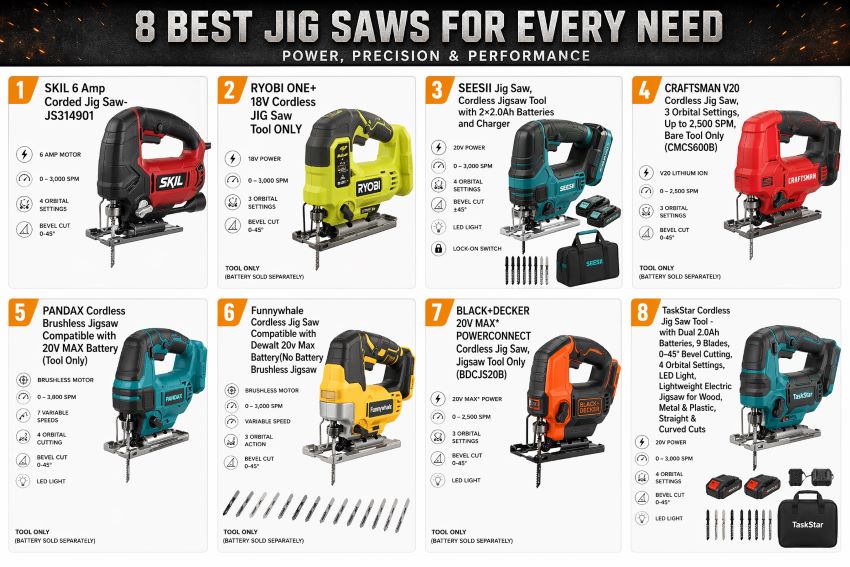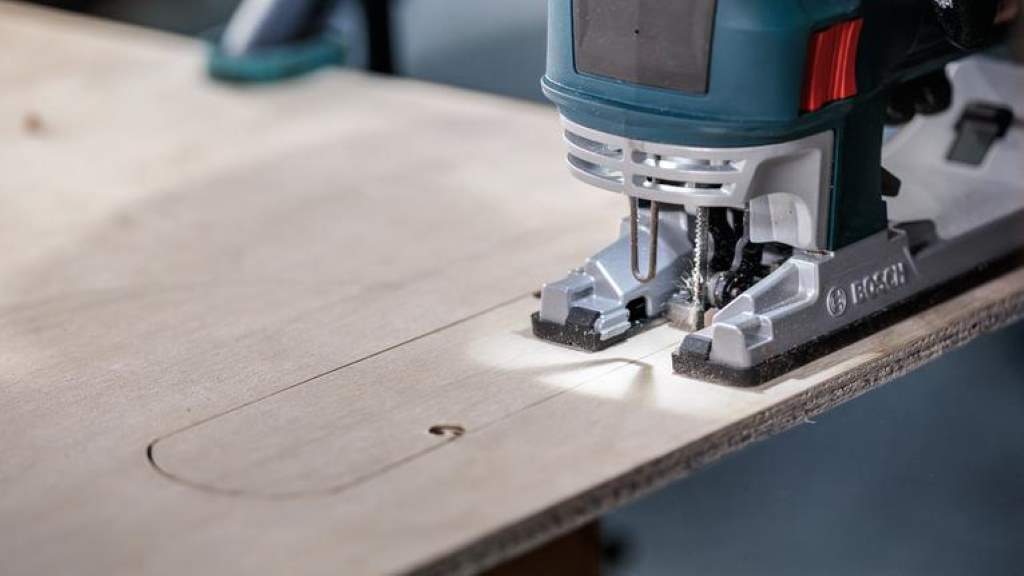
A jigsaw is one of the most versatile tools in any workshop. It helps you cut curves, shapes, and straight lines with control and creativity. Yet, many beginners struggle to get clean and precise cuts with the best jigsaw. According to the U.S. Bureau of Labor Statistics, improper tool handling contributes to thousands of minor workshop injuries each year. Meanwhile, research from the Occupational Safety and Health Administration shows that proper training significantly improves both safety and accuracy.
This guide explains how to use a jigsaw step by step. You will learn everything from setup to advanced cutting techniques so you can work with confidence and precision.
What Is a Jigsaw and Why It Matters
A jigsaw is a handheld power tool that uses a reciprocating blade to cut materials like wood, plastic, and metal. It allows you to create curved, straight, and intricate cuts that other saws cannot handle easily.
Because of its flexibility, it is ideal for both beginners and experienced users. You can use it for home improvement, furniture building, and creative DIY projects.
More importantly, mastering this tool improves your control and reduces material waste. That means cleaner results and fewer mistakes.
Understanding Jigsaw Components
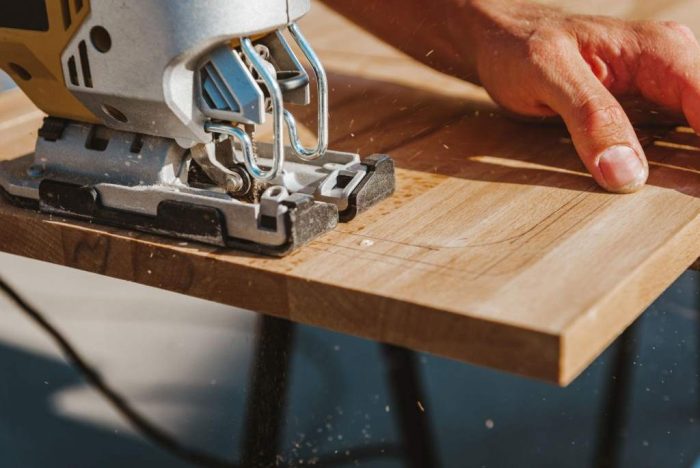
Before making your first cut, you need to understand how the tool works. Each part affects performance and accuracy.
Key Parts of a Jigsaw
- Blade: The cutting component available in different types
- Shoe or base plate: Keeps the tool stable on the surface
- Motor: Powers the blade movement
- Orbital setting: Controls cutting aggressiveness
- Speed control: Adjusts blade speed for different materials
Each part plays a role in precision. For example, the wrong blade can cause splintering, while poor speed control can ruin your cut.
Choosing the Right Blade for Precise Cuts
Blade selection directly affects your results. Using the wrong blade leads to rough edges and wasted material.
Types of Blades
- Wood cutting blades for general projects
- Metal cutting blades for thin metals
- Fine tooth blades for smooth finishes
- Reverse tooth blades to reduce splintering
Tips for Blade Selection
- Choose more teeth per inch for smoother cuts
- Use thicker blades for straight cuts
- Pick narrower blades for curves
Using the correct blade improves both control and finish quality. It also reduces strain on the tool.
Preparing Your Workspace
A clean and organized workspace improves accuracy and safety. Many cutting mistakes happen due to poor setup.
Steps to Prepare
- Secure your material using clamps
- Mark your cutting line clearly with a pencil
- Ensure proper lighting
- Keep cords and obstacles away
Preparation gives you better control and reduces vibration. That leads to smoother and more precise cuts.
How to Use a Jigsaw Step by Step
Step 1: Mark Your Cut Line
Always draw a clear cutting line before starting. Use a straightedge for straight cuts and templates for curves.
Step 2: Secure the Material
Clamping prevents movement during cutting. Even slight shifts can ruin accuracy.
Step 3: Start Slowly
Place the blade near the edge and start at a low speed. Gradually increase speed as you gain control.
Step 4: Follow the Line Carefully
Keep your eyes on the line, not the blade. Move steadily without forcing the tool.
Step 5: Finish Smoothly
Let the blade stop before lifting the tool. This prevents chipping and rough edges.
These steps ensure clean, accurate cuts every time.
Techniques for Precise Cuts
Straight Cuts
Use a guide or straightedge to maintain alignment. Keep steady pressure and avoid rushing.
Curved Cuts
Move slowly and use a narrow blade. Sharp turns require patience and control.
Plunge Cuts
Start in the middle of the material by tilting the saw. This technique requires practice but offers flexibility.
Bevel Cuts
Adjust the base plate angle to create angled cuts. Always test on scrap material first.
Each technique improves your ability to handle different projects with precision.
Common Mistakes and How to Avoid Them
Even experienced users make mistakes. However, you can avoid most issues with awareness.
Frequent Errors
- Using the wrong blade type
- Cutting too fast
- Not securing the material
- Ignoring blade alignment
Solutions
- Match blade to material
- Maintain consistent speed
- Clamp your workpiece
- Check alignment before cutting
Avoiding these mistakes improves both safety and accuracy.
Safety Tips for Using a Jigsaw
Safety should always come first when using power tools.
Essential Safety Practices
- Wear safety goggles and gloves
- Keep hands away from the blade
- Disconnect power before changing blades
- Work in a well lit area
Following these steps reduces risks and helps you focus on precision.
Advanced Tips for Expert-Level Results
Once you master the basics, you can refine your technique further.
Expert Strategies
- Use painter tape to reduce splintering
- Cut slightly outside the line, then sand for perfection
- Adjust orbital settings for different materials
- Practice on scrap before final cuts
These methods elevate your work from average to professional quality.
Maintaining Your Jigsaw for Long-Term Accuracy
Regular maintenance keeps your tool performing at its best.
Maintenance Checklist
- Clean dust after each use
- Check blade condition regularly
- Lubricate moving parts if needed
- Inspect cords and components
Proper care ensures consistent performance and extends tool life.
Conclusion
Using a jigsaw for precise cuts requires the right technique, proper setup, and consistent practice. Start with the basics, choose the correct blade, and focus on control. Over time, your skills will improve, and your cuts will become cleaner and more accurate.
Take your next project as an opportunity to apply these techniques. Practice regularly, stay patient, and aim for steady improvement.
FAQs
What is the best blade for smooth cuts?
A fine tooth blade works best for smooth and clean cuts. It reduces splintering and gives a polished finish.
Can beginners use a jigsaw easily?
Yes, beginners can use it with proper guidance. Start with simple cuts and gradually move to complex shapes.
Why does my jigsaw cut unevenly?
Uneven cuts often happen due to wrong blade choice or pushing the tool too fast. Adjust speed and use the correct blade.
How do I cut straight lines accurately?
Use a guide or clamp a straightedge. This helps maintain alignment and improves precision.
Is a jigsaw safe for home use?
Yes, it is safe when used correctly. Follow safety guidelines and handle the tool with care.