Choosing the right professional tools for electricians can shape the quality, safety, and efficiency of every job. Whether you are just starting or refining your toolkit, the right tools for electricians help you work faster and reduce risk. According to the U.S. Bureau of Labor Statistics, workplace injuries in electrical work remain significant, with proper tools reducing accident risks by a large margin. In addition, the National Institute for Occupational Safety and Health reports that using certified tools improves job accuracy and safety compliance. This guide explains how to select tools that match your skill level while delivering long term value.
The Role of Professional Electrical Tools
Professional tools are more than just equipment. They act as extensions of your skill and decision making. High quality tools allow precise handling of wires, circuits, and systems. In contrast, low grade tools can slow you down and increase errors.
Electricians rely on tools for tasks such as cutting, stripping, testing, and installing. Each task demands accuracy. Therefore, you must choose tools designed specifically for electrical work instead of general purpose tools. Specialized tools also improve safety when dealing with live circuits.
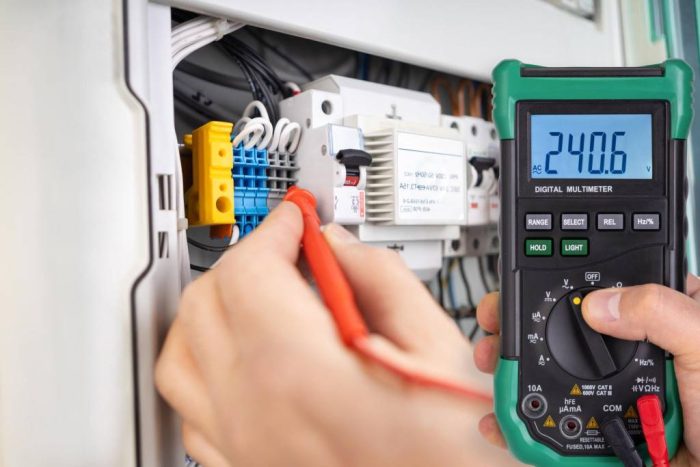
Moreover, modern tools now include smart features such as digital displays and voltage detection. These features help electricians diagnose issues quickly. As a result, productivity improves while reducing guesswork.
Essential Categories of Electrician Tools
Hand Tools Every Electrician Needs
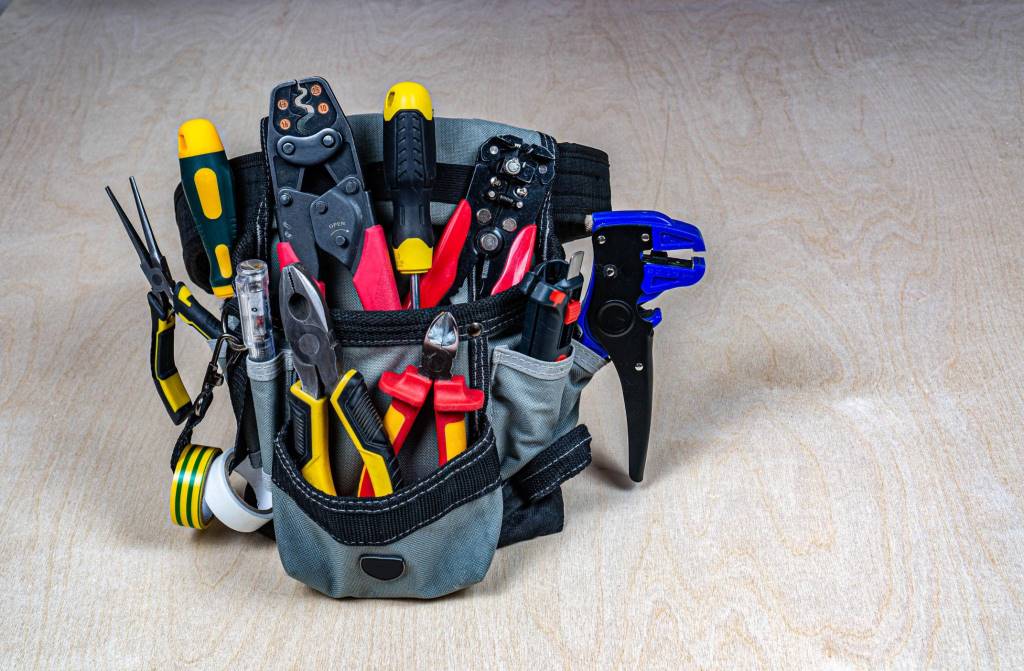
Hand tools form the foundation of any electrician’s toolkit. They support daily tasks and remain essential even with advanced technology.
Key hand tools include:
- Screwdrivers with insulated handles
- Wire strippers for clean cuts
- Pliers for gripping and bending wires
- Cable cutters for thick wiring
- Utility knives for precise trimming
Each tool must feel comfortable in your hand. Ergonomic design reduces fatigue during long hours. Also, insulated grips protect against electric shock, making them non negotiable for professionals.
Power Tools for Efficiency
Power tools speed up repetitive and demanding tasks. They save time while improving consistency in work quality.
Common power tools include:
- Cordless drills for installations
- Impact drivers for heavy fastening
- Rotary tools for cutting and shaping
- Cable pulling machines for large projects
Battery powered tools offer mobility, which is crucial for job sites. However, you should always check battery life and charging speed. Reliable power tools reduce downtime and improve workflow.
Safety First: Choosing Insulated and Certified Tools
Safety remains the top priority in electrical work. Tools must meet safety standards to protect against shocks and accidents.
Look for tools tested and certified by recognized safety organizations. Insulated tools should clearly indicate their voltage rating. This ensures they can handle specific electrical loads safely.
Additionally, avoid tools with damaged insulation. Even minor wear can compromise safety. Regular inspection helps maintain reliability. When you prioritize safety, you also build trust with clients and employers.
How to Evaluate Tool Quality
Material and Build
Quality tools use strong materials such as hardened steel. These materials resist wear and maintain performance over time.
Check for solid construction and smooth finishes. Poorly made tools often have rough edges or loose parts. Such flaws can affect precision and safety.
Brand Reputation
Reputable brands invest in research and testing. They design tools based on real world electrician needs.
While brand alone should not decide your purchase, it often reflects consistency and reliability. Reading user reviews also helps identify trusted options.
Performance and Precision
A good tool performs consistently under pressure. Precision matters when working with wiring and circuits.
Test how the tool handles real tasks. For example, wire strippers should remove insulation cleanly without damaging the conductor. Consistent performance saves time and prevents costly mistakes.
Matching Tools to Your Skill Level
Beginner Electricians
Beginners should focus on essential tools. Start with a basic toolkit that covers common tasks.
Avoid buying too many advanced tools at once. Instead, learn how to use each tool properly. Building skills gradually helps you make better decisions later.
Intermediate Professionals
At this stage, expand your toolkit with specialized tools. Add testing devices and advanced cutting tools.
You should also upgrade older tools for better performance. As your experience grows, your tools must keep up with your work demands.
Expert Electricians
Experts require high performance tools for complex tasks. Precision instruments and advanced diagnostics tools become essential.
Invest in tools that improve efficiency and accuracy. Experts often handle large projects, so durability and reliability matter even more.
The Importance of Ergonomics and Comfort
Comfort plays a major role in productivity. Tools that fit well in your hand reduce strain and improve control.
Ergonomic handles help prevent fatigue during long work hours. They also lower the risk of repetitive strain injuries.
Additionally, lightweight tools improve mobility on job sites. When tools feel natural to use, you can focus more on the task instead of discomfort.
Digital Tools and Smart Technology
Modern electricians benefit from digital tools. These tools provide accurate readings and real time data.
Examples include:
- Digital multimeters
- Voltage testers
- Thermal imaging devices
These tools help identify problems quickly. They also reduce the need for trial and error. As technology evolves, electricians who adopt smart tools gain a competitive edge.
Maintenance and Care of Electrical Tools
Proper maintenance extends the life of your tools. It also ensures consistent performance.
Follow these steps:
- Clean tools after each use
- Store them in a dry, organized space
- Inspect for damage regularly
- Replace worn out parts immediately
Regular care prevents unexpected failures. It also keeps your tools ready for any job.
Common Mistakes to Avoid When Choosing Tools
Many electricians make avoidable mistakes when selecting tools. Recognizing these mistakes can save time and effort.
- Choosing tools based only on appearance
- Ignoring safety certifications
- Buying low quality tools to save money
- Overloading your toolkit with unnecessary items
Instead, focus on functionality and safety. Choose tools that match your actual work needs.
Practical Tips for Building Your Toolkit
Building a professional toolkit takes time and planning. Start with essentials and expand gradually.
Useful tips include:
- Prioritize safety certified tools
- Choose versatile tools that serve multiple purposes
- Upgrade tools as your experience grows
- Keep your toolkit organized for easy access
A well planned toolkit supports efficiency and professionalism.
Conclusion
Choosing professional tools for electricians requires careful thought and practical understanding. The right tools improve safety, accuracy, and efficiency. Start with essential hand tools, then expand into power and digital tools as your skills grow. Focus on quality, comfort, and safety certifications when making decisions. Maintain your tools regularly to ensure long term performance. Build your toolkit step by step and align it with your experience level. Take action today by reviewing your current tools and upgrading where needed to work smarter and safer.
FAQs
What are the most important tools for beginner electricians
Beginners need basic tools such as screwdrivers, wire strippers, pliers, and voltage testers. These tools cover most entry level tasks and help build foundational skills.
How do I know if a tool is safe for electrical work
Check for insulation ratings and safety certifications. Tools designed for electrical work clearly indicate their voltage limits and testing standards.
Are digital tools necessary for electricians
Digital tools are not mandatory for beginners, but they improve accuracy and efficiency. Professionals often rely on them for diagnostics and troubleshooting.
How often should I replace my tools
Replace tools when they show signs of wear or damage. Regular inspection helps you identify issues early and maintain safety.
Can I use regular tools instead of specialized electrical tools
Regular tools lack proper insulation and precision. Using them increases risk and reduces work quality. Always choose tools designed for electrical tasks.