Winter looks beautiful, yet it brings serious risks to your home. Heavy snow buildup on roofs can lead to structural damage, ice dams, and even sudden collapse. According to the Federal Emergency Management Agency, excess snow load causes thousands of roof failures in the United States each year. At the same time, the Insurance Institute for Business and Home Safety reports that poor winter maintenance increases repair costs by up to 30 percent. That is why choosing the right roof snow removal tools matters. The right tools not only protect your home but also keep you safe while working in harsh conditions.
Why Roof Snow Removal Is Essential
Snow may look light, yet it becomes extremely heavy when it accumulates. Wet snow can weigh more than twenty pounds per cubic foot. Over time, this pressure strains roofing materials and weakens structural integrity. As a result, small issues can turn into costly repairs.
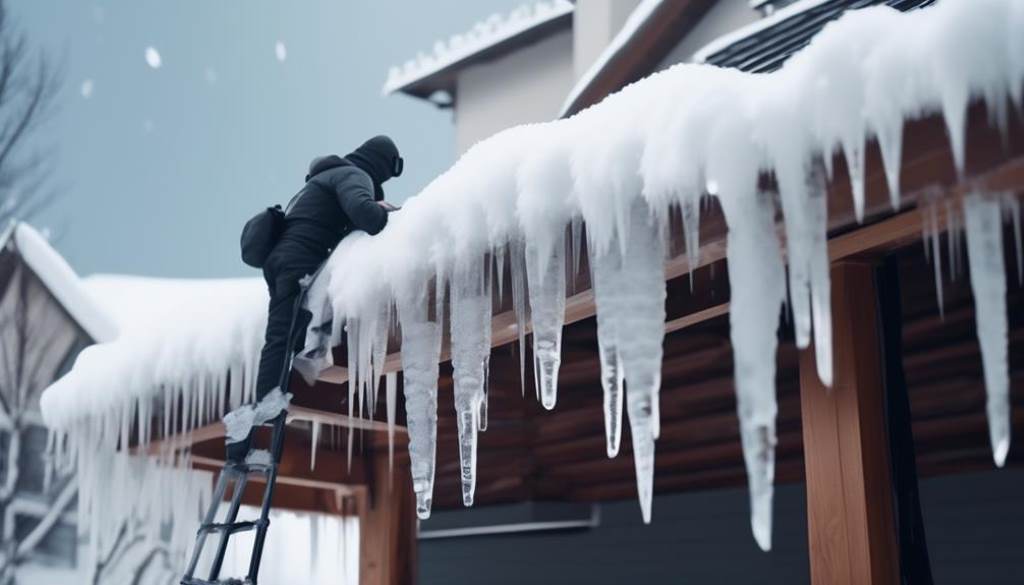
Moreover, melting snow often refreezes at the roof edges. This process creates ice dams that trap water underneath shingles. Consequently, leaks develop inside your home. Water damage can affect ceilings, insulation, and even electrical systems.
Safety is another major concern. Falling snow chunks or icicles can injure people and damage property below. Therefore, regular snow removal is not just maintenance. It is a necessary safety practice for homeowners in colder regions.
Types of Roof Snow Removal Tools
Choosing the right tool starts with understanding your options. Each tool serves a different purpose depending on your roof type and snow conditions.
Roof Rakes
Roof rakes are the most common choice for homeowners. They come with long handles that allow you to remove snow while standing on the ground. This reduces the risk of climbing onto a slippery roof.
Most roof rakes feature lightweight materials such as aluminum or plastic. This makes them easy to handle during extended use. In addition, wide rake heads help clear large areas quickly.
However, not all roof rakes are equal. Some include rollers or wheels that prevent damage to shingles. These features are especially useful for delicate roofing materials.
Snow Brooms
Snow brooms are ideal for light snow and quick cleanups. They work best on flat or low slope roofs. Unlike rakes, brooms provide more control and precision.
These tools are often used for clearing specific areas such as vents, skylights, and solar panels. Because of their soft bristles, they reduce the risk of scratching surfaces.
Still, snow brooms are not suitable for heavy or packed snow. In those cases, stronger tools are necessary.
Ice Scrapers
Ice scrapers are designed for removing stubborn ice buildup. They help break apart ice dams and frozen layers that rakes cannot handle.
Most scrapers feature durable blades that can chip away at thick ice. Yet, careful use is essential. Applying too much force can damage roofing materials.
Therefore, it is best to use ice scrapers only when necessary and with controlled pressure.
Snow Removal Systems and Heated Cables
Advanced homeowners often choose snow removal systems or heated cables. These systems prevent snow accumulation and ice formation altogether.
Heated cables run along roof edges and melt snow before it freezes. This reduces the risk of ice dams significantly. In addition, they require minimal manual effort once installed.
Although they require planning and installation, they offer long term convenience and protection.
Key Factors to Consider When Choosing Roof Snow Removal Tools
Roof Type and Pitch
Every roof is different. Steep roofs require tools with extended reach and strong grip. On the other hand, flat roofs allow easier access but may need tools that handle heavy loads.
For example, asphalt shingles need gentle tools to avoid damage. Metal roofs, however, can handle more durable equipment. Understanding your roof type helps you avoid costly mistakes.
Snow Conditions in Your Area
Snow varies by region. Dry snow is light and easy to remove. Wet snow is heavy and sticks to surfaces.
If you live in areas with frequent heavy snowfall, choose tools with sturdy construction. Wide rakes and reinforced handles perform better in such conditions.
Meanwhile, regions with lighter snowfall may only require basic tools like snow brooms.
Safety Features
Safety should always come first. Look for tools with ergonomic handles and non slip grips. These features reduce strain and improve control.
Additionally, tools with extendable handles allow you to work from the ground. This eliminates the need to climb onto the roof.
Some models also include protective features such as rollers. These help prevent accidental damage while clearing snow.
Durability and Material Quality
High quality materials ensure long lasting performance. Aluminum handles are lightweight yet strong. Plastic blades are gentle on roofing surfaces.
Avoid tools that feel flimsy or poorly constructed. They may break under pressure or fail during heavy snow removal.
Investing in durable tools saves time and effort in the long run.
Ease of Use and Storage
Convenience matters, especially during winter. Choose tools that are easy to assemble and store.
Compact designs with detachable handles are ideal for limited storage space. Lightweight tools also reduce fatigue during extended use.
Simple designs often work best. Complex tools may slow you down or require extra effort to operate.
Step by Step Guide to Safe Roof Snow Removal
Removing snow safely requires a clear approach. Follow these steps to minimize risks and improve efficiency.
- Assess the situation
Check the depth and type of snow. Look for signs of ice buildup or structural stress. - Use the right tool
Select a tool based on your roof type and snow condition. Avoid using sharp tools on delicate surfaces. - Work from the ground when possible
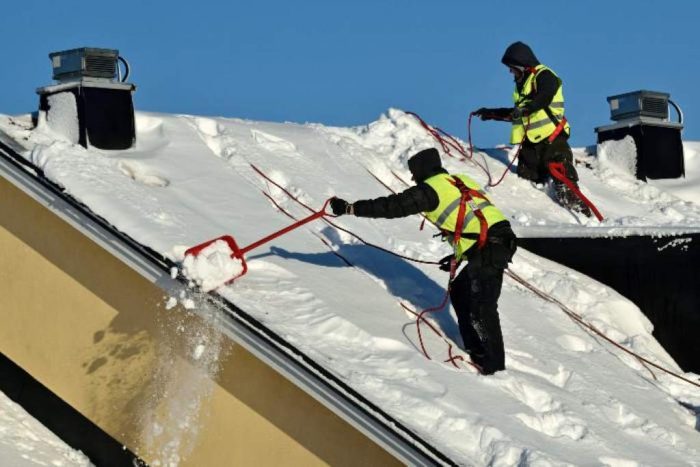
Use long handled tools to stay safe. Climbing onto the roof increases the risk of slipping. - Remove snow evenly
Clear snow in sections to maintain balance. Uneven removal can create stress points on the roof. - Avoid damaging shingles
Leave a thin layer of snow to protect roofing materials. Direct scraping can cause damage. - Watch for falling snow
Always stay aware of your surroundings. Falling snow can cause injury if you are not careful.
Common Mistakes to Avoid
Even experienced homeowners make mistakes during snow removal. Avoiding these errors can save time and prevent damage.
- Using sharp tools that scratch or break shingles
- Removing all snow instead of leaving a protective layer
- Ignoring ice dams until they become severe
- Climbing onto the roof without proper safety measures
- Choosing tools that are too short or difficult to control
Each mistake increases the risk of injury or costly repairs. Therefore, careful planning is essential before starting any snow removal task.
Maintenance Tips for Roof Snow Removal Tools
Proper maintenance extends the life of your tools and ensures reliable performance.
After each use, clean off snow and ice. Moisture can cause rust or weaken materials over time. Store tools in a dry place to prevent damage.
Inspect handles and blades regularly. Look for cracks or loose parts. Replace worn components before the next use.
Lubricate moving parts if necessary. This keeps tools functioning smoothly during cold conditions.
Benefits of Choosing the Right Tools
Using the right tools offers several advantages. First, it improves safety by reducing the need to climb onto the roof. Second, it increases efficiency, allowing you to clear snow faster.
Additionally, proper tools protect your roofing materials. This helps extend the lifespan of your roof.
Finally, investing in suitable equipment reduces long term maintenance costs. Preventing damage is always more affordable than repairing it.
Conclusion
Choosing the best roof snow removal tools is not complicated when you understand your needs. Focus on your roof type, local weather, and safety features before making a decision. Reliable tools help you manage snow effectively while protecting your home and yourself.
Take action before winter conditions worsen. Inspect your roof, select the right tools, and create a simple maintenance routine. A little preparation today can prevent major problems tomorrow.
FAQs
What is the safest way to remove snow from a roof?
The safest method involves using a long handled roof rake from the ground. This approach reduces the risk of slipping and falling. Always wear proper winter gear and work carefully.
How often should I remove snow from my roof?
Remove snow after heavy snowfall, especially when accumulation exceeds six inches. Regular removal prevents excessive weight and reduces the risk of ice dams.
Can I use a shovel on my roof?
Using a shovel is not recommended for most roofs. It can damage shingles and create uneven pressure. Roof rakes and specialized tools are safer options.
What causes ice dams on roofs?
Ice dams form when heat escapes from the attic and melts snow. The water refreezes at the edges, creating a barrier. Proper insulation and ventilation help prevent this issue.
Are heated cables effective for snow removal?
Heated cables are effective for preventing ice buildup. They melt snow along roof edges and reduce the formation of ice dams. However, they work best when combined with regular maintenance.