Growing up, I watched my father, a seasoned carpenter, swing his hammer with effortless grace. Each strike was precise, almost musical. One day, I asked his secret. He smiled and said, “It’s all about balance.” A well-balanced hammer isn’t just a tool; it’s an extension of your hand. It reduces fatigue, improves accuracy, and makes carpentry feel like an art form. Yet, many beginners overlook this crucial step—how to balance a hammer for carpentry —leading to sloppy work or sore wrists. According to a 2023 study by the National Institute for Occupational Safety and Health (NIOSH), improper tool balance contributes to 15% of carpentry-related injuries. Balancing a hammer is simple but transformative. In this guide, I’ll share actionable tips, personal stories, and expert advice to help you master this skill. Whether you’re a novice or a pro, you’ll learn how to make every swing count. Let’s dive in and craft something extraordinary.
Why Hammer Balance Matters in Carpentry
A hammer’s balance affects how it feels and performs. An unbalanced hammer forces you to grip harder, straining your wrist and forearm. Over time, this can lead to repetitive strain injuries. NIOSH reports that 20% of carpenters experience wrist pain due to poor tool ergonomics. A balanced hammer, however, distributes weight evenly, allowing smooth, controlled swings. This precision is vital for driving nails cleanly without damaging wood.
Additionally, it boosts efficiency, letting you work longer without fatigue. I learned this the hard way early in my career. My first hammer was cheap and poorly balanced. After a day of framing, my hand ached, and my nails were crooked. Switching to a balanced hammer transformed my work. It felt lighter, and my strikes were accurate. Balance isn’t just about comfort; it’s about quality. When choosing or adjusting a hammer, prioritize weight distribution to elevate your craft.
Choosing the Right Hammer for Balance
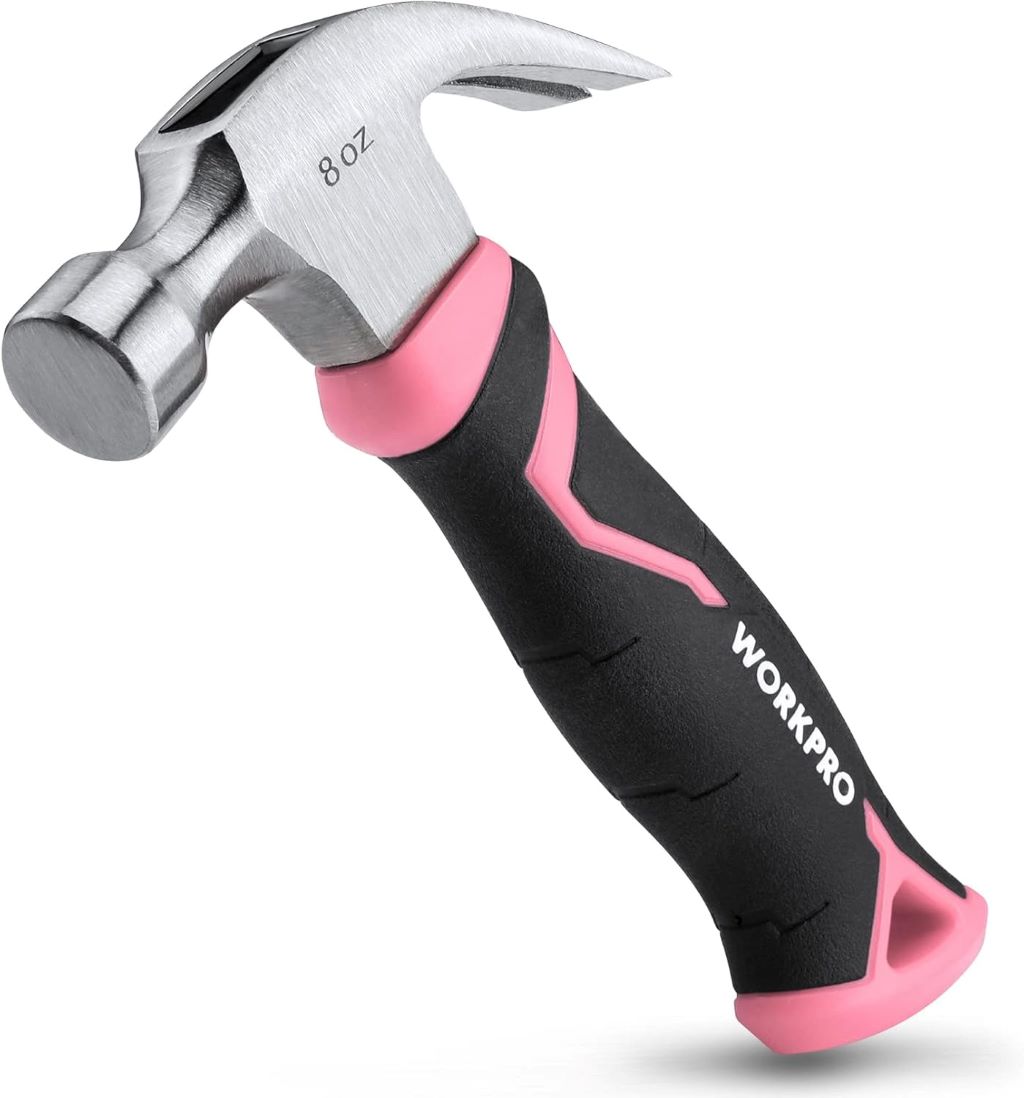
Not all hammers are created equal. The right hammer depends on your task and hand size. For general carpentry, a 16- to 20-ounce claw hammer is ideal, according to the Woodworkers Guild of America. Heavier hammers suit framing, while lighter ones excel at finish work. Check the handle material—wood absorbs shock better, but fiberglass is durable. The key is weight distribution. A good hammer feels natural when you hold it.
To test balance, rest the hammer on two fingers near the head. If it tips heavily toward the head or handle, it’s off. I once bought a flashy hammer with a sleek design, but it was head-heavy. My swings were clumsy until I swapped it for a balanced model. Visit a hardware store and test multiple hammers. Reputable brands like Estwing or Stanley often prioritize balance.
Step-by-Step Guide to Balancing Your Hammer
Balancing a hammer is straightforward with the right approach. Follow these steps to ensure your tool feels like an extension of your arm:
- Inspect the Hammer: Hold it by the handle and swing gently. Note if it feels head-heavy or handle-heavy. A balanced hammer feels even.
- Adjust the Handle: If the handle is too long, it may throw off balance. Trim it slightly with a saw, then sand it smooth. Test again.
- Add Weight: For a head-heavy hammer, wrap lead tape (used for golf clubs) around the handle’s base. Add small amounts and test.
- Remove Weight: If the handle is too heavy, sand the handle lightly to reduce bulk. Be cautious not to weaken it.
- Test and Refine: Swing the hammer after each adjustment. Aim for a smooth, controlled motion.
I once spent an afternoon tweaking my hammer’s balance for a big project. After adding tape and sanding, it felt perfect. My nails went in straight, and my arm thanked me. Take your time with this process. Small tweaks make a big difference.
Common Mistakes to Avoid When Balancing a Hammer
Balancing a hammer seems simple, but mistakes can ruin your tool or performance. First, avoid over-sanding the handle. Removing too much material weakens it, risking breakage. I learned this after sanding a handle too aggressively; it snapped mid-project. Second, don’t add excessive weight. Piling on tape makes the hammer clunky, defeating the purpose. Aim for subtle adjustments. Third, never modify the hammerhead. Drilling or grinding it alters the tool’s integrity and can cause it to shatter.
According to a 2024 report by the Occupational Safety and Health Administration (OSHA), 10% of tool-related injuries stem from improper modifications. Finally, don’t skip testing. Always swing the hammer after adjustments to ensure it feels right.
Maintaining Your Hammer’s Balance Over Time

A balanced hammer requires regular care to stay effective. Wood handles can swell or shrink with humidity, altering balance. Check your hammer monthly and sand lightly if needed. Fiberglass handles are more stable but can crack. Inspect for damage and replace if necessary. Clean the hammerhead to remove debris, which can add weight. I once noticed my hammer felt off after a rainy job. The wood handle had swollen, shifting the balance.
A quick sanding fixed it. Additionally, store your hammer in a dry place to prevent rust or warping. OSHA recommends routine tool maintenance to reduce workplace injuries by 12%. Sharpen the claw end if it dulls, as this affects leverage. Test balance periodically by swinging or using the two-finger test. With proper care, your hammer will remain a reliable partner for years, making every project smoother and safer.
How Balancing My Hammer Changed My Craft
When I started carpentry, I treated all hammers the same. But during a mentorship with a master carpenter, I learned the value of balance. He handed me his perfectly balanced hammer, and the difference was night and day. My swings were smoother, and I drove nails with half the effort. Inspired, I spent hours adjusting my own hammer, testing and tweaking. The next day, I tackled a deck project. Each nail went in cleanly, and I finished faster than ever. My mentor grinned and said, “Now you’re a carpenter.” That experience taught me that tools aren’t just objects—they’re partners. Balancing my hammer didn’t just improve my work; it boosted my confidence. If I can transform my craft with a few simple tweaks, so can you. Take the time to balance your hammer, and you’ll feel the difference.
Conclusion
Balancing a hammer is more than a technical task; it’s a gateway to better carpentry. A well-balanced hammer reduces strain, boosts precision, and makes every swing feel effortless. By choosing the right hammer, adjusting it carefully, and maintaining it, you’ll elevate your work and enjoy the process. My journey from a novice with an aching wrist to a confident carpenter proves that small changes yield big results. Whether you’re building a bookshelf or framing a house, a balanced hammer is your ally. Start today—grab your hammer, test its balance, and make those tweaks. Your hands, your projects, and your pride will thank you. Have you balanced your hammer before? Share your tips or questions in the comments below, or pass this guide to a fellow carpenter. Let’s keep the craft alive!
FAQs
Why does my hammer feel heavy when I swing it?
Your hammer may be unbalanced, with too much weight in the head or handle. Test its balance and adjust using lead tape or sanding.
Can I balance any hammer for carpentry?
Most hammers can be balanced, but quality matters. Choose a reputable brand and adjust carefully to avoid damaging the tool.
How often should I check my hammer’s balance?
Check monthly or after heavy use. Humidity or wear can shift balance, especially with wood handles, so regular maintenance is key.
Is a heavier hammer better for carpentry?
Not always. A 16- to 20-ounce hammer is ideal for most tasks. Balance matters more than weight for comfort and precision.
Where can I learn more about tool safety?
Visit OSHA’s website or the Woodworkers Guild for expert tips on tool maintenance and safety to enhance your carpentry skills.
Read More: