An angle grinder is one of the most versatile power tools in any workshop. It can cut metal, smooth rough edges, and even polish surfaces with the right attachment. However, it also ranks among the most dangerous handheld tools when used incorrectly. According to the U.S. Consumer Product Safety Commission, thousands of injuries each year involve power tools, with high-quality angle grinders contributing a notable share due to improper handling and lack of safety gear. OSHA also highlights that improper wheel use and poor guarding cause many accidents. Therefore, learning how to choose and use an angle grinder safely is essential for both beginners and experienced users.
What Is an Angle Grinder and Why It Matters
An angle grinder is a handheld power tool that uses a rotating disc to perform tasks like cutting, grinding, and polishing. It is widely used in construction, metalwork, and home improvement projects across the United States.
This tool matters because it saves time and delivers precision when used correctly. However, its high speed and sharp discs demand respect and proper handling. Many users underestimate its power, which often leads to avoidable injuries.
Angle grinders come in different sizes, typically ranging from 4.5 inches to 9 inches. Smaller grinders are easier to control, while larger ones handle heavy duty tasks. Choosing the right size depends on your project needs and experience level.
Types of Angle Grinders and Their Uses
Corded vs Cordless Grinders
Corded grinders provide consistent power and are ideal for long tasks. They are commonly used in workshops where electricity is easily available.
Cordless grinders offer portability and convenience. They work well for outdoor jobs or areas without power outlets. However, battery life can limit continuous use.
Pneumatic Grinders
Pneumatic grinders use compressed air instead of electricity. Professionals often prefer them for industrial work because they are lightweight and durable.
Specialty Grinders
Some grinders are designed for specific tasks such as polishing or cutting tile. These models often include speed control and specialized attachments.
Choosing the right type ensures efficiency and safety during your work.
How to Choose the Right Angle Grinder
Selecting the right angle grinder involves more than just picking a popular model. You need to consider several key factors to match your tasks.
1. Disc Size
Disc size determines the depth of cut and overall capability.
- 5 inch grinders are great for light tasks
- 5 to 6 inch grinders offer more versatility
- 7 to 9 inch grinders handle heavy duty jobs
Larger discs cut deeper but require more control. Beginners should start with smaller sizes for safety.
2. Motor Power
Motor power affects performance. Higher wattage means more cutting strength.
For basic home use, moderate power is sufficient. However, professional work demands higher power for efficiency and durability.
3. Speed and Control
Variable speed grinders allow better control for different tasks.
- High speed works best for cutting
- Medium speed suits grinding
- Low speed is ideal for polishing
Speed control reduces mistakes and improves finish quality.
4. Safety Features
Look for grinders with built in safety features.
- Adjustable guards protect from sparks
- Anti kickback systems reduce sudden movements
- Soft start reduces initial torque
These features significantly lower the risk of accidents.
Essential Safety Gear Before You Start
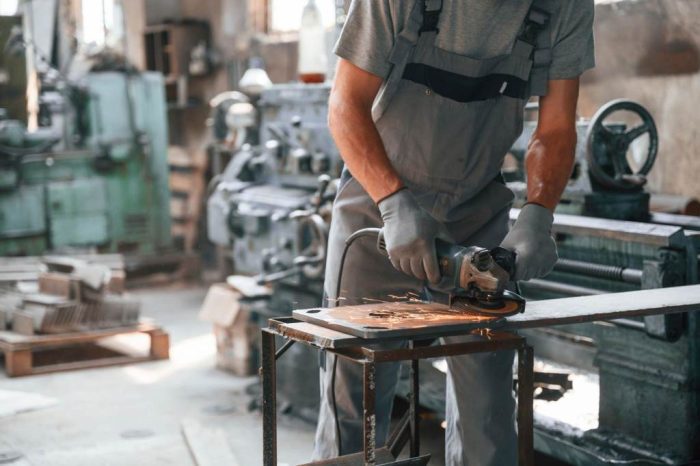
Using an angle grinder without proper safety gear is risky. Protective equipment reduces the chance of injury and improves confidence.
You should always wear the following:
- Safety goggles to protect your eyes from debris
- Heavy duty gloves for grip and protection
- Hearing protection to reduce noise exposure
- Face shield for added safety during cutting
- Long sleeves and sturdy clothing
Proper gear acts as your first line of defense. Even experienced users rely on it every time they operate a grinder.
How to Use an Angle Grinder Safely
Step 1: Inspect the Tool
Before starting, check the grinder for damage. Ensure the disc is properly mounted and free from cracks.
A damaged disc can break during operation and cause serious injury. Always replace worn or damaged parts immediately.
Step 2: Secure Your Workpiece
Make sure the material you are working on is stable. Use clamps or a vise to hold it firmly.
Loose materials can shift during cutting or grinding, leading to accidents. Stability improves accuracy and safety.
Step 3: Maintain Proper Grip and Position
Hold the grinder with both hands for maximum control. Stand in a balanced position and keep your body slightly to the side.
This stance protects you from debris and sudden movements. Avoid standing directly behind the disc.
Step 4: Start Slowly
Allow the grinder to reach full speed before contacting the material.
Starting too quickly can cause loss of control. A gradual approach ensures smoother operation.
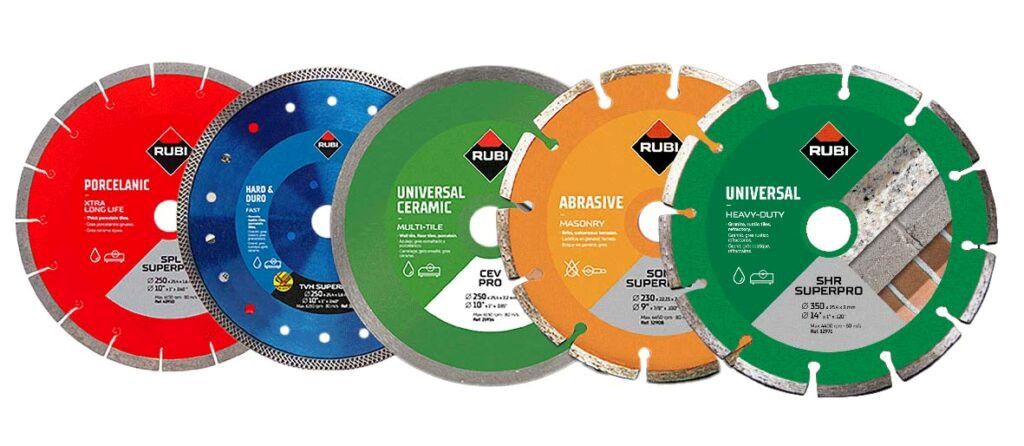
Step 5: Use the Right Disc for the Job
Different tasks require different discs.
- Cutting discs for slicing metal or tile
- Grinding discs for smoothing surfaces
- Flap discs for blending and finishing
- Polishing pads for a smooth finish
Using the wrong disc increases risk and reduces efficiency.
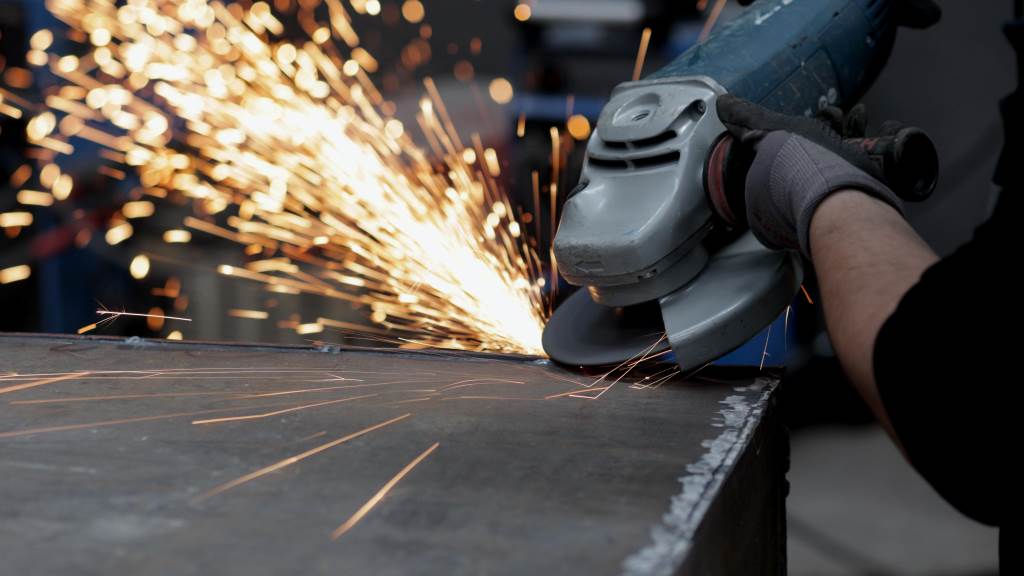
Cutting with an Angle Grinder
Cutting is one of the most common uses of an angle grinder. However, it requires precision and careful handling.
Always use a thin cutting disc designed for your material. Apply steady pressure and let the tool do the work. Forcing the grinder can cause kickback or disc damage.
Cut in a straight line and avoid twisting the disc. Twisting creates stress and increases the chance of breakage.
Additionally, keep sparks directed away from your body and flammable materials. A safe workspace reduces potential hazards.
Grinding Techniques for Smooth Results
Grinding helps remove excess material and smooth rough edges. It is widely used in metal fabrication and repair work.
Hold the grinder at a slight angle, usually around 15 to 30 degrees. This angle allows better control and prevents gouging.
Move the grinder in a steady back and forth motion. Avoid staying in one spot too long, as it can overheat the surface.
Consistent movement ensures even results and prevents damage to the material.
Polishing with an Angle Grinder
Polishing transforms rough surfaces into smooth, shiny finishes. It is commonly used for metal, stone, and even automotive detailing.
Use a polishing pad or buffing wheel for this task. Lower speeds work best to avoid overheating and surface damage.
Apply polishing compound evenly and work in small sections. This method improves consistency and shine.
Polishing requires patience and control. Rushing the process can lead to uneven results.
Common Mistakes to Avoid
Many users make simple mistakes that lead to accidents or poor results. Avoiding these errors improves both safety and performance.
- Using the wrong disc for the job
- Removing the safety guard
- Applying excessive pressure
- Ignoring worn out discs
- Working without proper safety gear
Awareness of these mistakes helps you develop better habits and safer practices.
Maintenance Tips for Long Term Use
Proper maintenance keeps your angle grinder in good condition and extends its lifespan.
Clean the tool after each use to remove dust and debris. Check the power cord and attachments regularly for damage.
Lubricate moving parts if required by the manufacturer. Store the grinder in a dry place to prevent rust and corrosion.
Regular maintenance not only improves performance but also reduces safety risks.
Conclusion
An angle grinder is a powerful and versatile tool that can handle cutting, grinding, and polishing tasks with ease. However, its effectiveness depends on proper selection, correct usage, and strict safety practices. Choosing the right grinder, using appropriate discs, and wearing protective gear are essential steps for safe operation. By following the techniques and tips outlined above, you can complete your projects efficiently while minimizing risks. Start applying these practices today to work smarter and safer with your angle grinder.
FAQs
What is the safest way to use an angle grinder?
Always wear protective gear, inspect the tool before use, and maintain a firm grip with both hands. Use the correct disc and avoid applying excessive pressure.
Can beginners use an angle grinder safely?
Yes, beginners can use it safely by starting with a smaller grinder, following safety guidelines, and practicing basic techniques before handling complex tasks.
Which disc is best for cutting metal?
A thin cutting disc designed for metal works best. It provides clean cuts and reduces the risk of overheating or breakage.
How do I prevent kickback?
Maintain proper grip, avoid twisting the disc, and let the tool reach full speed before contact. Using the right disc also reduces kickback risk.
Is an angle grinder suitable for polishing?
Yes, with the right polishing pad and speed control, it can deliver smooth and professional finishes on various surfaces.