The Cutting Edge of Precision
If you’ve ever tried cutting through concrete, tile, stone, or asphalt with a standard saw blade, you know the struggle—burned edges, uneven finishes, or outright failure. That’s where the diamond blade comes in: a high-performance tool designed to slice through the toughest materials with speed, precision, and longevity. Whether you’re a construction pro, a DIY enthusiast, or a contractor working on specialized jobs, choosing the right diamond blade can make or break your project.
In this complete guide, we’ll explore what a diamond blade is, how it works, the different types available, and how to choose the right one for your needs. We’ll also share tips on blade maintenance, safety, and maximizing the lifespan of your investment.
What Is a Diamond Blade?
A diamond blade is a cutting tool with a steel core and synthetic diamond segments. Unlike standard blades that rely on sharpened metal teeth, diamond blades use the abrasive properties of industrial diamonds to grind through hard surfaces.
Key Components:
- Steel Core: The central plate that supports the blade.
- Diamond Segments: Bonded edges embedded with synthetic diamonds.
- Bond Matrix: A mixture of metals that holds the diamonds in place and controls wear.
LSI Keywords: cutting blade, abrasive blade, synthetic diamonds, high-performance blade
How Do Diamond Blades Work?
Diamond blades grind, rather than cut, the material. As the blade rotates at high speed, the exposed diamonds polish and erode the surface. As each diamond wears away, new diamonds are exposed by the bond matrix. This ensures consistent cutting performance and durability.
There are two primary types of cutting methods:
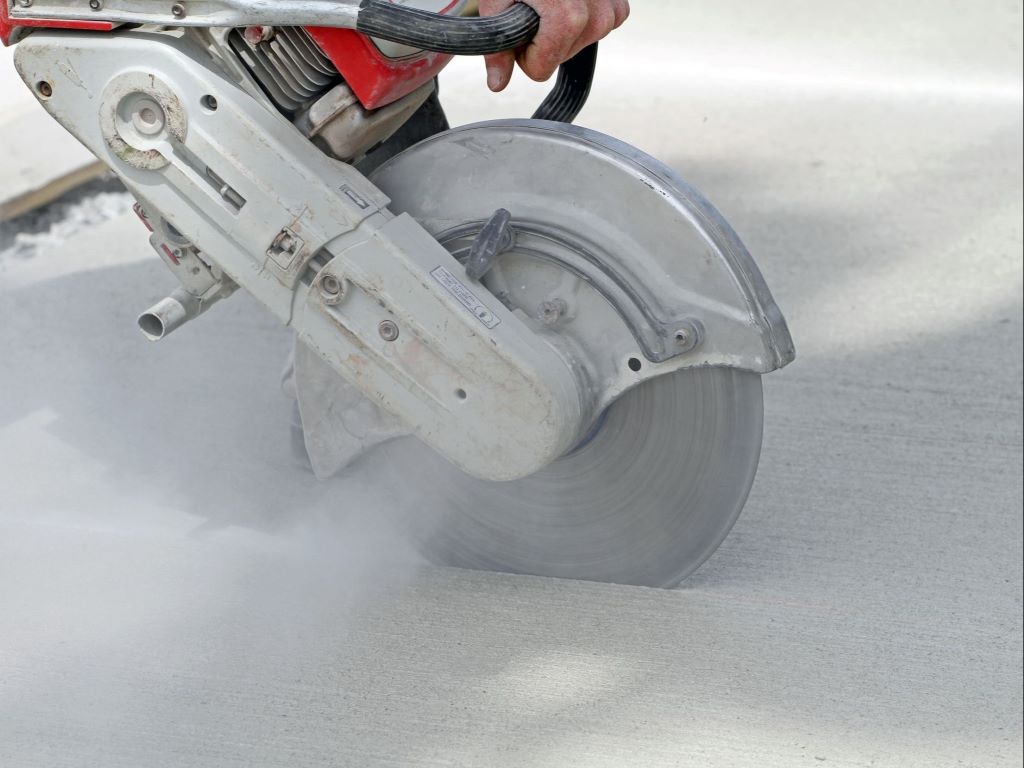
- Wet Cutting: Uses water to cool the blade, reduce dust, and increase lifespan.
- Dry Cutting: No water; ideal for smaller tasks or where water use isn’t practical.
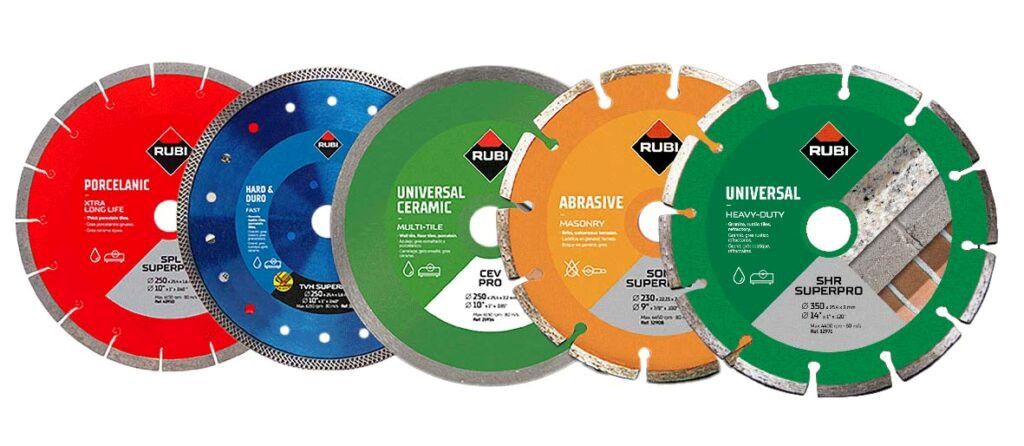
Types of Diamond Blades
Selecting the right diamond blade depends on your application, material type, and cutting method. Here are the most common types:
Segmented Diamond Blades
- Best For: Concrete, bricks, pavers, limestone.
- Features: Gaps between segments help cool the blade and clear debris.
- Use: Primarily for dry cutting but can be used with water.
Continuous Rim Diamond Blades
- Best For: Tile, ceramic, porcelain, marble.
- Features: Smooth rim offers clean, chip-free cuts.
- Use: Wet cutting is recommended.
Turbo Diamond Blades
- Best For: Granite, marble, masonry, and hard stone.
- Features: Serrated edges improve cutting speed and airflow.
- Use: Suitable for both wet and dry cutting.
Electroplated Diamond Blades
- Best For: Precision tasks like cutting glass, composites, or soft stone.
- Features: Fine diamond coating; thinner blade body.
- Use: Mostly dry cutting for detailed work.
How to Choose the Right Diamond Blade
Choosing the best blade involves matching it to your project needs. Consider the following:
- Material Being Cut
Different materials wear down blades at different rates. For instance:
- Use a soft bond blade for hard materials like granite.
- Use a hard bond blade for soft, abrasive materials like asphalt.
- Blade Diameter
Standard sizes range from 4” to 36”. Ensure compatibility with your saw or grinder.
- Cutting Method
Will you be cutting dry or wet? Some blades are multi-purpose, but always check manufacturer recommendations.
- Blade Speed (RPM Rating)
Your tool’s RPM must match the blade’s rated speed. Using a blade on a faster saw than it’s rated for can cause accidents or reduce blade life.
Best Practices for Using a Diamond Blade
Using a diamond blade improperly can lead to poor results—or even danger. Follow these best practices:
- Inspect Before Use
Always check for cracks, warping, or missing segments before installation.
- Mount Correctly
Ensure the blade is mounted tightly and spins in the direction indicated by the arrow on the blade.
- Don’t Force the Blade
Let the blade do the cutting. Forcing it can overheat and damage both the blade and material.
- Use Proper Cooling (If Applicable)
Wet cutting blades require continuous water flow to stay cool and prevent segment loss.
- Wear Safety Gear
Always wear eye protection, gloves, dust masks, and ear protection.
How to Maintain a Diamond Blade
Proper maintenance increases the lifespan and efficiency of your blade.
Cleaning
Remove built-up material using a dressing stone or by cutting into soft brick or concrete to expose fresh diamonds.
Storage
Store in a dry, flat space away from heavy objects that could warp the blade.
Sharpening
If a blade becomes glazed (dull), re-sharpen by making a few cuts into an abrasive material like concrete block.
Common Mistakes to Avoid
- Using the Wrong Blade: Mismatch between blade and material can cause poor performance.
- Dry Cutting with a Wet Blade: Can damage the blade or cause overheating.
- Overheating: Continuous use without breaks or cooling can reduce blade life.
- Incorrect RPM: Running a blade above its max speed is dangerous.
- Not Wearing PPE: Safety should never be compromised.
Diamond Blade Applications by Industry
| Industry | Application | Recommended Blade Type |
| Construction | Cutting concrete slabs, pavers | Segmented or Turbo |
| Tiling | Cutting ceramic, porcelain | Continuous Rim |
| Road Work | Cutting asphalt, road repairs | Segmented Blade |
| Masonry | Brick and stone cutting | Turbo Blade |
| Glass Work | Cutting glass and composites | Electroplated Blade |
Secondary Keywords: best blade for concrete, tile cutting blade, professional diamond saw blade, blade for granite, stone cutting tools
How Long Do Diamond Blades Last?
Diamond blade lifespan depends on:
- Material type (harder = more wear)
- Blade quality
- Cutting method
- Usage frequency
On average:
- Dry cutting blades: 120 to 240 linear feet.
- Wet cutting blades: 400 to 700 linear feet.
Using the correct blade and proper technique can dramatically extend lifespan.
Are Diamond Blades Worth the Investment?
Yes—especially if you frequently cut through dense, abrasive materials. While they cost more upfront than standard blades, they last significantly longer and deliver cleaner, faster cuts, which can reduce project time and improve results.
Conclusion: Choose Smart, Cut Smarter
Whether you’re a contractor cutting concrete slabs or a homeowner installing tile, the right diamond blade can elevate your results, minimize waste, and save time. From understanding blade types to maintaining them properly, you’re now equipped to make an informed decision.
Don’t just cut—cut smarter. Invest in a diamond blade that matches your task and watch the difference in performance and quality.
✅ Ready to take your cutting projects to the next level?
Browse top-rated diamond blades online or at your local hardware store, and choose one that fits your material, tool, and project needs. Precision starts with the right blade.
Read More:
How to Fix an Overheating Angle Grinder: A DIY Tale of Triumph