

Why Industrial Grinding Machines Matter
In the world of manufacturing and heavy-duty production, industrial grinding machines play a pivotal role. Whether it’s for precision shaping, metal finishing, or removing excess material, these powerful machines are vital across a wide range of industries—from automotive and aerospace to construction and metal fabrication.
If you’re a factory owner, an engineer, or even a maintenance technician looking to optimize your workshop’s productivity, understanding how industrial grinders work, what types exist, and how to maintain them is essential. In this guide, we’ll dive deep into the different types of industrial grinding machines, their key applications, benefits, and must-follow maintenance practices to keep your machines running smoothly.
What Is an Industrial Grinding Machine?
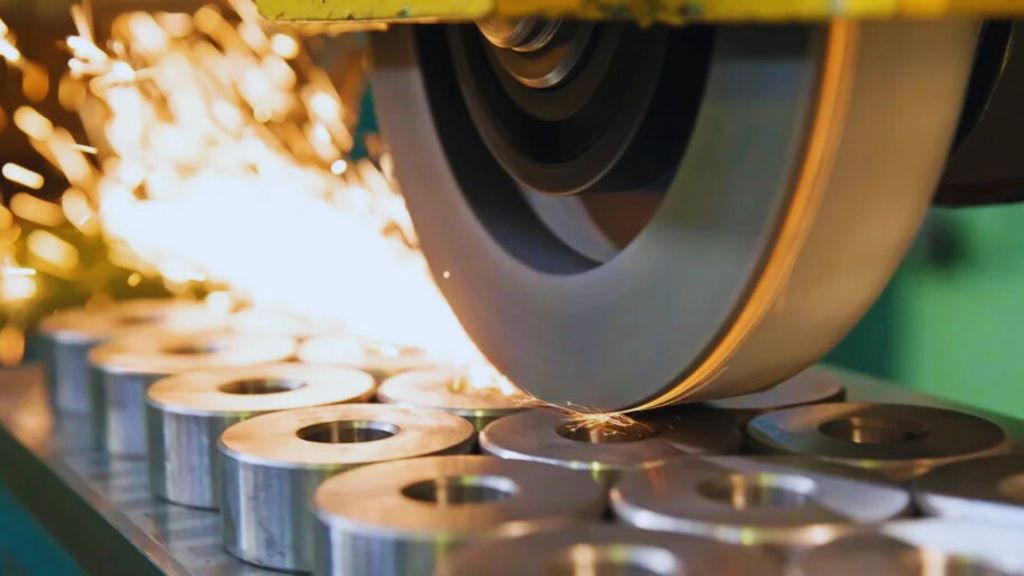
An industrial grinding machine is a heavy-duty power tool used to remove material from a workpiece using abrasive wheels. These machines come in various types, each tailored to specific grinding needs—from surface preparation and cylindrical shaping to internal and external finishing.
Key Features:
- High-speed rotary abrasive wheels
- Precision alignment
- Manual or CNC-controlled operations
- Heavy-duty motors for continuous use
LSI Keywords: heavy-duty grinding machine, precision grinder, abrasive wheel machine, industrial grinder for metal, CNC grinding equipment
Types of Industrial Grinding Machines
Industrial grinders are not one-size-fits-all. Choosing the right type depends on the task, material, and desired finish. Below are the most common types:
- Surface Grinding Machine
This machine uses a rotating abrasive wheel to remove material from flat surfaces. It provides excellent surface finish and dimensional accuracy.
Best For: Metal sheets, flat surfaces, and finishing processes.
- Cylindrical Grinding Machine
Used to grind cylindrical surfaces, both internal and external. It is commonly found in tool rooms and automotive industries.
Best For: Shafts, rods, and other cylindrical components.
- Centerless Grinding Machine
Unlike cylindrical grinders, centerless grinders don’t require the workpiece to be held between centers. Instead, it’s supported by a blade and rotated between two wheels.
Best For: High-volume production, automotive parts, and small cylindrical items.
- Internal Grinding Machine
Specifically designed to grind the internal surfaces of hollow cylindrical parts.
Best For: Bushings, tubes, and internal bores.
- Tool and Cutter Grinder
Used primarily for sharpening tools and cutters in machining.
Best For: Regrinding of milling cutters, drill bits, and tool maintenance.
- Bench Grinder (Industrial Grade)
Though commonly found in smaller workshops, heavy-duty versions are essential in industrial environments for shaping and sharpening tasks.
Best For: General grinding, sharpening, and metal prep.
Secondary Keywords: precision grinding tools, bench grinder industrial, centerless grinding benefits, CNC surface grinder
Key Applications of Industrial Grinding Machines
Industrial grinders are employed in numerous industries, each leveraging their grinding capabilities for enhanced production efficiency.
Metalworking Industry
- Shaping raw metal blocks
- Surface finishing and smoothing
- Preparing parts for welding or assembly
Automotive Industry
- Grinding engine components like crankshafts and camshafts
- Surface preparation for painting or coating
- Manufacturing and finishing transmission parts
Aerospace Sector
- High-precision component finishing
- Grinding turbine blades and gearboxes
- Ensuring dimensional accuracy of parts
Tool and Die Making
- Sharpening dies, cutters, and blades
- Achieving high-tolerance specs
- Surface preparation for molds
Related Keywords: industrial grinding in metalworking, automotive grinding process, aerospace surface finishing, die grinding machine
Benefits of Using Industrial Grinding Machines
- Precision and Accuracy
High-end industrial grinders provide micron-level precision, essential for components requiring tight tolerances.
- Increased Efficiency
Automated or CNC grinding machines reduce manual labor, enhancing throughput and consistency.
- Versatility
From polishing and deburring to surface grinding and shaping, these machines handle diverse materials including steel, aluminum, titanium, and composites.
- Surface Quality
Achieve mirror-like finishes or textured surfaces based on project requirements.
- Cost Savings
Long-term productivity improvements and reduced material waste translate into substantial cost savings.
How to Choose the Right Industrial Grinding Machine
Consider These Factors:
- Material Type: What materials will you be grinding?
- Production Volume: Is it for high-volume production or occasional use?
- Precision Needs: Are tight tolerances required?
- Budget Constraints: What’s your investment range?
- Automation Level: Manual, semi-automatic, or fully automated (CNC)?
Pro Tip: Always compare technical specifications like motor power, RPM range, and grinding wheel size before purchase.
Maintenance Tips to Extend Lifespan
Proper maintenance not only extends the machine’s life but also ensures optimal performance and safety.
- Daily Inspection
Check for worn-out parts, loose fasteners, and wheel conditions before and after use.
- Lubrication
Ensure all moving parts are well-lubricated to reduce friction and overheating.
- Cleanliness
Remove metal shavings, dust, and debris to prevent machine jamming or part damage.
- Wheel Balancing
Imbalanced grinding wheels can lead to vibration and poor surface finish. Regularly balance and dress the wheels.
- Replace Worn Parts
Always use OEM parts when replacing components to maintain machine integrity.
- Train Operators
Skilled operators can detect early signs of wear or malfunction, preventing major breakdowns.
LSI Keywords: grinder machine maintenance, industrial grinder lubrication, grinding wheel care, machine inspection checklist
Common Troubleshooting Issues
Even the best machines can experience issues. Here’s how to handle them:
| Issue | Possible Cause | Solution |
| Poor Surface Finish | Worn-out grinding wheel | Replace or dress the wheel |
| Excessive Vibration | Imbalanced wheel or loose parts | Balance wheel, tighten all components |
| Overheating | Lack of lubrication, clogged vents | Clean machine and lubricate regularly |
| Burn Marks on Workpiece | Excessive pressure or dull wheel | Reduce pressure, replace wheel |
| Machine Not Starting | Electrical issue or motor failure | Check wiring or call technician |
Industrial Grinding Machines and Safety
Safety is non-negotiable when operating grinding machinery. Follow these best practices:
- Always wear PPE: safety goggles, gloves, and ear protection.
- Use wheel guards and shields at all times.
- Follow lockout/tagout procedures during maintenance.
- Ensure workpiece clamping is secure to avoid slippage.
- Never exceed the maximum RPM rating of a grinding wheel.
Latest Trends in Industrial Grinding Technology
- CNC Integration: Greater precision and automation for complex tasks.
- IoT-Enabled Machines: Real-time diagnostics and performance tracking.
- Eco-Friendly Coolants: Water-based and biodegradable options.
- High-Speed Grinding (HSG): Faster production cycles with minimal heat buildup.
These advancements are not only increasing productivity but also reducing environmental impact and operator fatigue.
Conclusion: Invest Smart in Grinding Technology
Whether you’re upgrading an existing workshop or setting up a new manufacturing line, selecting the right industrial grinding machine is a strategic investment. With the right choice, you’ll ensure greater precision, efficiency, and long-term profitability for your operations.
💡 Call to Action (CTA):
Looking to boost your production with reliable grinding machines? Explore our comprehensive range of industrial grinding solutions, compare specifications, and get expert advice tailored to your needs. Contact us today for a free consultation or quote.
FAQs (Frequently Asked Questions)
Q1: What is the most common type of industrial grinding machine?
A1: The surface grinding machine is the most commonly used due to its versatility and precision in finishing flat surfaces.
Q2: How often should grinding wheels be replaced?
A2: It depends on usage, but wheels should be replaced when worn, cracked, or if performance drops significantly.
Q3: Can one grinder be used for multiple materials?
A3: Yes, but you must use the appropriate wheel and settings for each material to ensure safety and efficiency.
Let me know if you’d like a version tailored to a specific niche—like metal fabrication, CNC workshops, or automotive parts production.
Read More:


