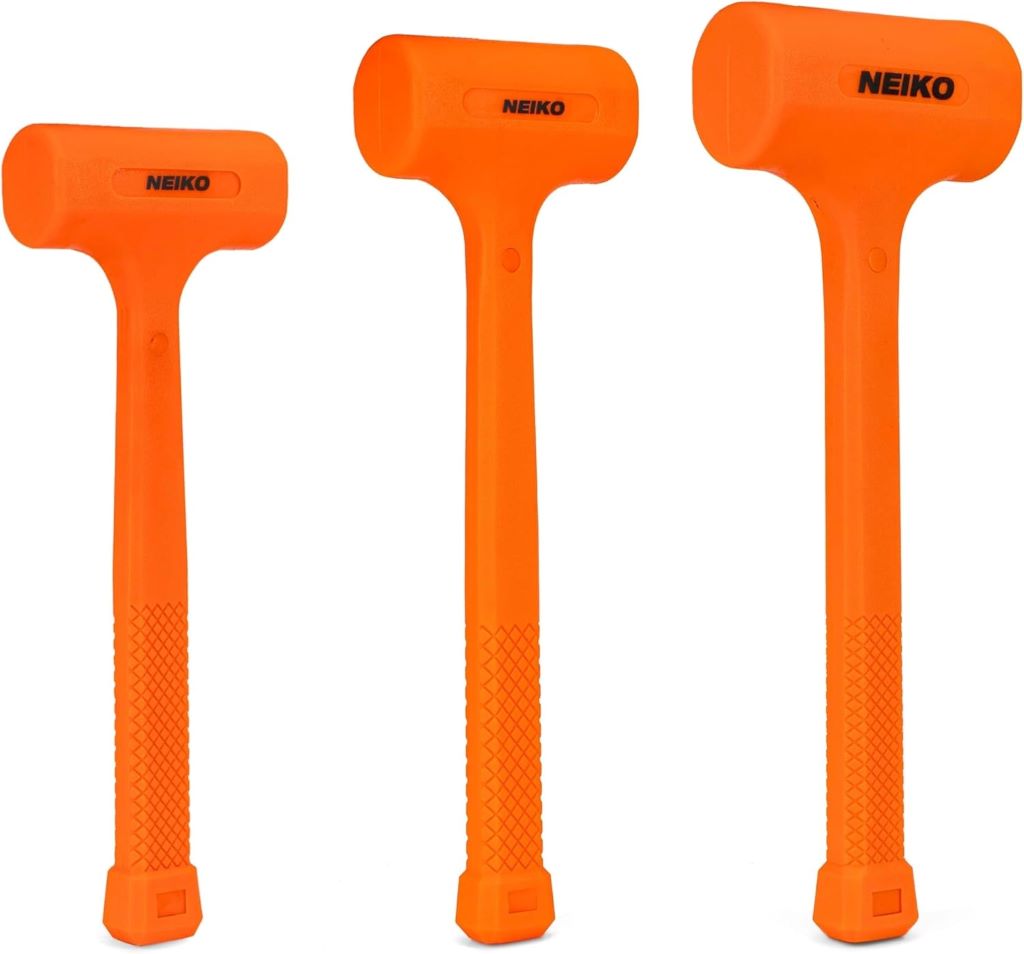
Growing up, I watched my grandfather wield his old Craftsman hammer with ease, despite its worn, slippery handle. One summer, while helping him build a shed, I borrowed it and nearly dropped it mid-swing. That moment sparked my quest for the perfect grip tape. A secure grip isn’t just about comfort—it’s about safety and precision. In carpentry, a hammer is an extension of your hand, and the right grip tape can transform your work. This blog post dives into the best grip tape for hammer handle, blending personal insights with expert advice. Whether you’re a DIY enthusiast or a seasoned carpenter, you’ll find actionable tips to enhance your hammer’s performance. Let’s explore how to keep your hammer steady and your projects flawless.
Why Grip Tape Matters for Hammer Handles
A hammer’s handle can make or break your workday. Slippery handles lead to blisters, fatigue, and even accidents. According to a 2019 study by the Occupational Safety and Health Administration (OSHA), 15% of hand tool injuries stem from poor grip control. Grip tape adds texture, absorbs shock, and reduces strain. For wooden handles, it prevents splintering; for metal ones, it softens the bite of cold steel. My grandfather’s hammer taught me that a good grip boosts confidence, letting you swing with precision. Grip tape also adapts to sweaty or greasy hands, crucial for long hours on the job. Choosing the right tape means balancing durability, comfort, and ease of application. Let’s dive into the top options to keep your hammer secure.
Top Grip Tape Options for Hammer Handles
Selecting the best grip tape depends on your hammer’s material and your work environment. Here are four standout choices, each with unique benefits.
- Hockey Tape: Affordable and widely available, hockey tape offers a soft, grippy texture. It’s ideal for wooden handles and absorbs shock well. However, it may wear out quickly under heavy use.
- Silicone Self-Fusing Tape: This tape sticks to itself, leaving no residue. It’s durable, weather-resistant, and perfect for metal or fiberglass handles. A 2021 review by ToolGuyd praised its longevity.
- Tennis Racket Tape: Designed for sweat absorption, this tape adds cushioning. It’s great for carpenters with sensitive hands, but may need frequent replacement.
- 3M Safety Walk Tape: Known for its sandpaper-like grit, this tape ensures a firm hold in wet conditions. It’s pricier but lasts longer, as noted in a Fine Homebuilding forum.
Each tape suits different needs. For heavy-duty framing, I lean toward silicone tape for its durability. For lighter tasks, hockey tape does the trick.
How to Choose the Right Grip Tape
Picking the perfect grip tape involves assessing your hammer and work style. First, consider your handle’s material. Wooden handles pair well with hockey or tennis tape, while metal or fiberglass handles benefit from silicone or 3M tape. Next, think about your environment. If you work outdoors, prioritize water-resistant options like silicone tape. For indoor projects, comfort-focused tapes like tennis grip work well. Durability matters too—3M tape lasts longer but costs more. Budget-conscious? Hockey tape is cheap and effective. Finally, test for comfort. A 2020 Fine Homebuilding survey found 68% of carpenters prefer tapes with moderate cushioning to reduce hand fatigue. My own trial with 3M tape felt rough at first but became a game-changer for long sessions. Match the tape to your needs, and you’ll swing with ease.
Step-by-Step Guide to Applying Grip Tape
Applying grip tape correctly ensures a secure, long-lasting hold. Follow these steps for a professional finish.
- Clean the Handle: Wipe the handle with rubbing alcohol to remove dirt and oils. A clean surface ensures better adhesion.
- Measure and Cut: Cut the tape to fit your grip area, leaving a slight overlap. For hockey tape, a 12-inch strip works for most handles.
- Start Wrapping: Begin at the handle’s base, wrapping upward at a slight angle. Overlap each layer by half the tape’s width for even coverage.
- Create Texture (Optional): For extra grip, twist a section of tape into a rope and wrap it spirally before covering with a smooth layer, as suggested on The Garage Journal.
- Secure the End: Press the tape firmly and trim excess. For silicone tape, stretch it slightly to activate self-fusing.
I learned this technique after struggling with hockey tape that unraveled mid-project. A tight, overlapped wrap solved the issue. Reapply every few months for optimal performance.
Common Mistakes to Avoid When Using Grip Tape

Even the best grip tape fails if applied poorly. Avoid these pitfalls to maximize your hammer’s performance. First, don’t skip cleaning the handle—grease or dust weakens adhesion. Second, avoid overstretching adhesive tapes like hockey tape; it reduces durability. Third, don’t wrap too loosely, as gaps cause peeling. A 2022 Reddit thread on r/Carpentry noted that loose wraps led to 30% faster tape wear. Fourth, steer clear of sticky friction tapes for handles, as they leave residue. Finally, don’t ignore wear signs. My first attempt with tennis tape looked great, but it wore out in weeks because I ignored fraying edges. Check your tape monthly and replace it promptly. By dodging these errors, you’ll keep your hammer grippy and safe.
Maintaining Your Grip Tape for Longevity
Proper care extends your grip tape’s life, saving you time and money. For hockey and tennis tapes, clean with a damp cloth to remove dust and sweat. Avoid harsh chemicals that degrade adhesive. Silicone tape is low-maintenance but benefits from occasional wiping to restore tackiness. Store your hammer in a dry place—moisture weakens most tapes. A 2021 ToolGuyd article reported that proper storage doubles tape lifespan. Check for wear monthly; frayed edges or slick spots signal replacement time. My silicone-taped hammer lasted a year with minimal care, but I learned to store it away from humid sheds. Reapply tape every 3-6 months for heavy use. With these habits, your grip tape will stay reliable, keeping your swings steady.
Where to Buy Quality Grip Tape
Finding reliable grip tape is easy with the right sources. Hardware stores like Home Depot stock 3M Safety Walk Tape and hockey tape. For specialty options like silicone tape, check Amazon or industrial suppliers like Grainger. Sports stores carry tennis and hockey tapes at budget-friendly prices. Online, read reviews to avoid low-quality brands. A 2023 Amazon customer review highlighted Hammer Tough Grip Tape’s strong adhesive but noted availability issues. I snagged my silicone tape from a local Ace Hardware after comparing prices online.
Conclusion
From my grandfather’s slippery hammer to my now-secure framing hammer, the right grip tape has been a game-changer. Whether you choose hockey tape for affordability, silicone for durability, or 3M for rugged grip, the key is matching the tape to your needs. A good grip boosts control, reduces fatigue, and keeps you safe. Apply it carefully, maintain it well, and avoid common mistakes for lasting results. Your hammer deserves a grip that empowers every swing. Try one of these tapes and feel the difference. Have a favorite grip tape or a wrapping tip? Share it in the comments or spread this guide to help fellow carpenters. Let’s keep building with confidence!
FAQs
What is the most durable grip tape for hammer handles?
Silicone self-fusing tape is the most durable, resisting weather and heavy use. It lasts up to a year with proper care.
Can I use grip tape on a metal hammer handle?
Yes, silicone or 3M Safety Walk Tape works best on metal handles, providing strong grip and durability.
How often should I replace grip tape on my hammer?
Replace hockey or tennis tape every 3-6 months with heavy use. Silicone tape may last up to a year.
Does grip tape prevent blisters when using a hammer?
Yes, grip tape like tennis or hockey tape absorbs shock and adds cushioning, reducing blisters significantly.
Is it easy to remove grip tape from a hammer handle?
Silicone tape peels off cleanly with no residue. Adhesive tapes like hockey tape may need rubbing alcohol for removal.
Read More: