Choosing the right power tools can feel overwhelming, especially when options seem endless. Yet, the right tools can improve your efficiency, safety, and overall results. According to the U.S. Bureau of Labor Statistics, hand and power tool related injuries account for thousands of workplace incidents each year, which highlights the importance of selecting tools wisely. At the same time, a report from the U.S. Department of Energy shows that energy efficient power tools can reduce consumption by up to 30 percent. This guide breaks everything down in simple terms so you can confidently choose tools that match your needs and skill level.
Understanding Power Tools and Their Uses
Power tools are devices powered by electricity, batteries, or compressed air. They help you complete tasks faster and with more precision than manual tools. However, each tool serves a specific purpose, so understanding their use is the first step.
For example, drills help you create holes and drive screws, while saws cut wood or metal. Sanders smooth surfaces, and grinders shape or polish materials. Choosing the wrong tool often leads to poor results and wasted effort. Therefore, always match the tool to the task.
Moreover, beginners should start with versatile tools. Professionals, on the other hand, often need specialized equipment for advanced projects. As a result, your experience level directly affects your choice.
Types of Power Tools You Should Know
Corded Tools
Corded tools plug directly into an outlet. They provide consistent power and are ideal for heavy duty tasks. Since they do not rely on batteries, they can run continuously without interruption. However, mobility becomes limited due to the cord.
Cordless Tools
Cordless tools run on rechargeable batteries. They offer flexibility and portability, which makes them perfect for home projects and remote work. Although battery life can limit usage time, modern lithium ion batteries have improved significantly.
Pneumatic Tools
These tools use compressed air. Professionals often use them in workshops and construction sites. They deliver strong performance but require an air compressor, which adds complexity.
Key Factors to Consider Before Buying Power Tools
1. Purpose and Project Type
Start by identifying what you plan to do. A homeowner fixing furniture needs different tools than a contractor building structures. For instance, a basic drill and circular saw work well for most home tasks. Meanwhile, professionals may need impact drivers and advanced saws.
2. Power and Performance
Power determines how efficiently a tool performs. Corded tools usually provide higher power output. Cordless tools rely on battery voltage, which affects strength. Therefore, choose a tool that matches the intensity of your work.
3. Ergonomics and Comfort
Comfort plays a major role in long term use. Tools with good grip and balanced weight reduce fatigue. Additionally, vibration control helps prevent strain. Always test how a tool feels in your hand before deciding.
4. Safety Features
Safety should never be ignored. Look for features like automatic shut off, blade guards, and overload protection. These features reduce risks and improve confidence during use.
5. Durability and Build Quality
High quality materials ensure longer tool life. Metal components often last longer than plastic ones. Investing in durable tools reduces replacement frequency and improves reliability.
Essential Power Tools for Beginners
If you are just starting, focus on tools that offer versatility. These tools help you handle a wide range of tasks without needing a large collection.
Here are some must have options:
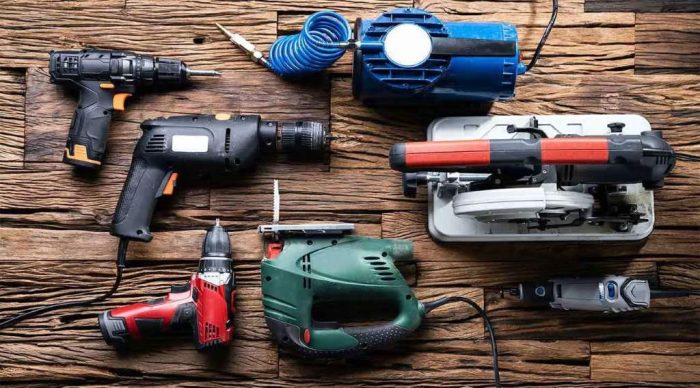
- Drill and driver combo
Useful for drilling holes and driving screws in wood, metal, or plastic - Circular saw
Ideal for cutting wood quickly and accurately - Orbital sander
Helps smooth surfaces and prepare them for finishing - Jigsaw
Perfect for curved or detailed cuts
These tools cover most home improvement needs. As you gain experience, you can expand your toolkit.
Advanced Power Tools for Professionals
Professionals require tools that deliver precision and efficiency at a higher level. These tools often handle complex and demanding tasks.
Impact Driver
This tool provides higher torque than a standard drill. It drives screws into tough materials with ease.
Table Saw
A table saw allows precise straight cuts. It is essential for woodworking projects that require accuracy.
Angle Grinder
This tool cuts, grinds, and polishes materials. It is widely used in metalwork and construction.
Rotary Tool
A rotary tool handles detailed work like engraving and polishing. It offers versatility for creative projects.
Professionals benefit from investing in specialized tools because they improve both speed and quality.
Corded vs Cordless Power Tools: Which One Should You Choose
Choosing between corded and cordless tools depends on your priorities.
Corded tools provide constant power. They suit heavy tasks that require long hours of operation. However, they limit movement due to the cord.
Cordless tools offer freedom and convenience. They work well in tight spaces and outdoor settings. Battery improvements have made them more reliable than ever.
Therefore, if you value mobility, choose cordless tools. If you need consistent power, go with corded options.
How to Choose the Right Brand and Quality Level
Brand reputation often reflects product reliability. Established brands usually offer better engineering and consistent performance. However, you should not rely on brand name alone.
Instead, focus on user reviews and expert opinions. Look for feedback about durability, performance, and ease of use. Additionally, consider how often you will use the tool. Occasional users may not need top tier options, while professionals benefit from higher quality tools.
Maintenance Tips to Extend Tool Life
Proper maintenance keeps your tools working efficiently. It also ensures safety during use.
Follow these simple steps:
- Clean tools after each use to remove dust and debris
- Store tools in a dry place to prevent rust
- Check cords and batteries regularly for damage
- Lubricate moving parts when needed
Consistent care extends the lifespan of your tools and improves performance.
Common Mistakes to Avoid When Buying Power Tools
Many buyers make avoidable mistakes. Understanding them helps you make smarter decisions.
- Buying tools without understanding their purpose
- Ignoring safety features and ergonomics
- Choosing the cheapest option without checking quality
- Overlooking future needs and scalability
Avoiding these mistakes saves time and effort in the long run.
Conclusion
Choosing the best power tools requires a clear understanding of your needs, skill level, and project goals. Start with versatile tools if you are a beginner. Gradually move to specialized equipment as your experience grows. Focus on power, comfort, safety, and durability to make the right decision. With the right tools, your work becomes faster, safer, and more enjoyable. Take the next step today by evaluating your needs and building a toolkit that supports your goals.
FAQs
What is the most important factor when choosing power tools
The most important factor is matching the tool to your specific task. Power, comfort, and safety also play major roles.
Are cordless tools powerful enough for heavy work
Modern cordless tools offer strong performance. However, corded tools still provide more consistent power for demanding tasks.
How many power tools does a beginner need
A beginner can start with four to five essential tools. These include a drill, saw, and sander for basic projects.
How can I ensure safety while using power tools
Always use protective gear, follow instructions, and choose tools with built in safety features.
Do expensive tools always mean better quality
Not always. Quality depends on design and materials. Research and reviews help you choose the right option.