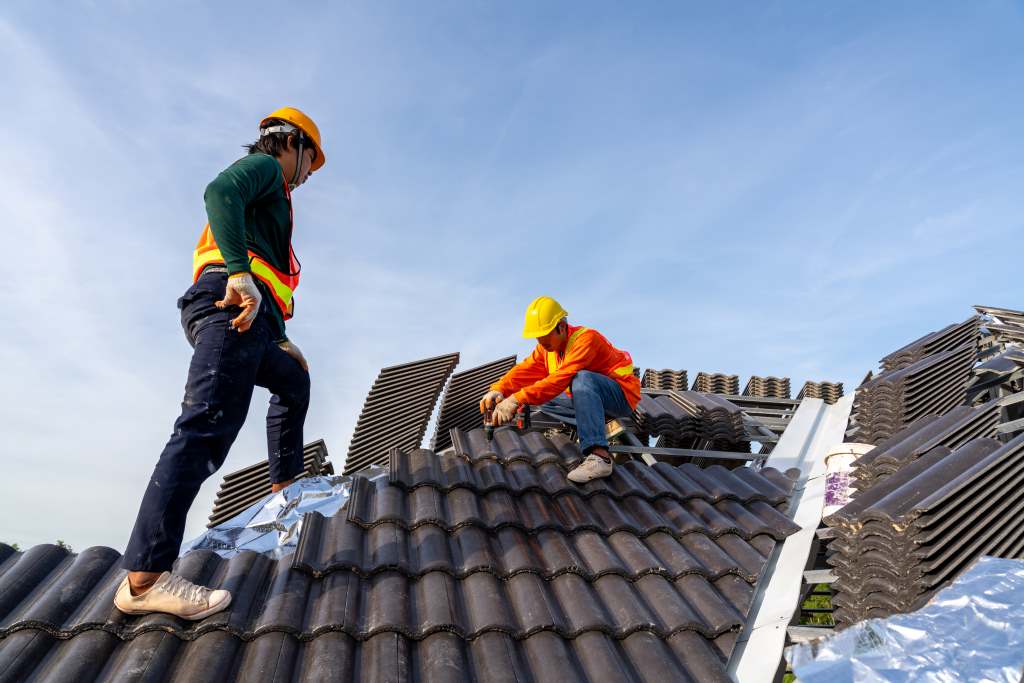
Storms, fallen trees, or unexpected damage can leave your home’s roof vulnerable, exposing it to water leaks and further harm. Acting quickly is vital to protect your property. Emergency roof tarping services for homeowners in Cutler Bay provide a fast, temporary solution to shield your home from the elements. This guide explains how to tarp your roof safely and effectively, offering practical steps to minimize damage until repairs are complete. Whether you’re dealing with a hurricane’s aftermath or a sudden leak, this article equips you with clear, actionable advice. Read on to learn how to safeguard your home and make informed decisions during a roofing crisis.
Why Emergency Roof Tarping Matters
When a roof sustains damage, water can seep into your home, causing structural issues, mold growth, and costly repairs. Tarping prevents further damage by creating a temporary barrier against rain, wind, and debris. This solution is critical in areas prone to severe weather, like Cutler Bay, where storms are frequent. A properly installed tarp preserves your home’s interior and buys time for professional repairs.
Additionally, tarping can reduce repair costs by limiting water exposure. It protects insulation, drywall, and electrical systems from harm. However, improper tarping can worsen damage, so understanding the process is essential. Homeowners should act fast but carefully to ensure the tarp is secure and effective until help arrives.
Choosing the Right Tarp for Your Roof
Selecting the appropriate tarp is crucial for effective protection. Tarps come in various materials, sizes, and thicknesses, each suited for specific needs. For roofing services, heavy-duty polyethylene or canvas tarps are ideal due to their durability and weather resistance. Ensure the tarp is large enough to cover the damaged area with extra material to secure it properly.
Consider these factors when choosing a tarp:
- Size: Measure the damaged area and add 4–6 feet on each side for overlap.
- Material: Opt for waterproof, UV-resistant tarps to withstand prolonged exposure.
- Thickness: Choose a tarp with at least 10–12 mil thickness for strength.
Additionally, check for reinforced edges and grommets, which make securing the tarp easier. A high-quality tarp ensures better protection and reduces the risk of tearing during strong winds or heavy rain.
Tools and Materials Needed for Tarping
Before starting, gather the necessary tools and materials to ensure a secure installation. Having everything ready saves time and prevents mistakes during the process. Most items are available at hardware stores, and preparation is key to a successful tarping job.
You’ll need:
- Heavy-duty tarp: Sized appropriately for the damaged area.
- 2×4 wooden boards: For anchoring the tarp’s edges.
- Nails or screws: To secure the boards to the roof.
- Ladder: Ensure it’s sturdy and tall enough to reach the roof safely.
- Rope or bungee cords: To tie down the tarp securely.
- Safety gear: Gloves, non-slip shoes, and a harness for steep roofs.
Furthermore, a hammer, drill, and utility knife are helpful for cutting and securing materials. Always prioritize safety by checking tools for damage before use.
Step-by-Step Guide to Tarping Your Roof
Tarping a roof requires careful planning and execution to ensure it stays in place. Follow these steps to protect your home effectively. Always work with a partner for safety, especially on steep roofs or in windy conditions.
- Assess the Damage: Identify the affected area and clear debris like branches or shingles. This ensures the tarp lies flat and covers the damage completely.
- Measure and Cut the Tarp: Measure the damaged area, adding extra length for overlap. Cut the tarp to size if necessary, ensuring it’s large enough to cover the area securely.
- Secure the Tarp: Place 2×4 boards along the tarp’s edges and nail them to the roof. Use ropes or bungee cords to tie the tarp to stable structures, like chimneys or vents.
- Check for Gaps: Ensure the tarp is taut and overlaps undamaged areas to prevent water seepage.
Moreover, avoid walking on the tarp to prevent tears. If unsure, consult a professional to ensure proper installation.
Common Mistakes to Avoid When Tarping
Improper tarping can lead to further damage or safety hazards. Avoiding common mistakes ensures the tarp serves its purpose effectively. Homeowners often rush the process, leading to errors that compromise protection.
One frequent mistake is using a tarp that’s too small, leaving gaps for water to enter. Always measure carefully and choose a tarp with ample overlap. Another error is failing to secure the tarp properly, allowing wind to lift or tear it. Use enough anchors and check for loose edges regularly.
Additionally, neglecting safety precautions can lead to injuries. Always use a sturdy ladder and wear proper gear. Finally, don’t leave the tarp on too long—temporary solutions should be replaced with permanent repairs as soon as possible to avoid long-term issues.
When to Call a Professional
While DIY tarping is possible, some situations require professional help. Complex roof damage, steep slopes, or unsafe conditions make it risky for homeowners to attempt tarping alone. Professionals have the tools, experience, and safety training to handle the job efficiently.
Call a professional if:
- The roof is too steep or high to access safely.
- Damage covers a large area or involves structural issues.
- You lack the tools or confidence to secure the tarp properly.
Moreover, professionals can assess underlying damage that may not be visible, preventing costly repairs later. In Cutler Bay, where storms are common, local experts understand the unique challenges of the area’s climate. Contact a trusted roofing service for quick and reliable assistance.
Maintaining Your Tarped Roof
Once the tarp is in place, regular maintenance ensures it remains effective. Weather conditions, like strong winds or heavy rain, can loosen or damage the tarp over time. Checking it frequently prevents small issues from becoming major problems.
Inspect the tarp weekly for tears, loose anchors, or pooling water. Tighten ropes or replace damaged boards as needed. Additionally, clear debris like leaves or branches that could puncture the tarp or cause water to collect. If the tarp shows signs of wear, replace it promptly to maintain protection.
Furthermore, schedule professional repairs as soon as possible. A tarp is a temporary fix, and delaying permanent repairs can lead to more extensive damage. Keep in touch with your roofing contractor to monitor progress and ensure timely restoration.
Conclusion
Emergency roof tarping is a critical step to protect your home from further damage after a storm or unexpected roof issue. By choosing the right tarp, using proper tools, and following a clear installation process, you can safeguard your property effectively. Avoiding common mistakes and maintaining the tarp ensures it remains functional until permanent repairs are made. For complex or unsafe situations, don’t hesitate to call a professional roofing service in Cutler Bay. Act quickly, stay safe, and protect your home.