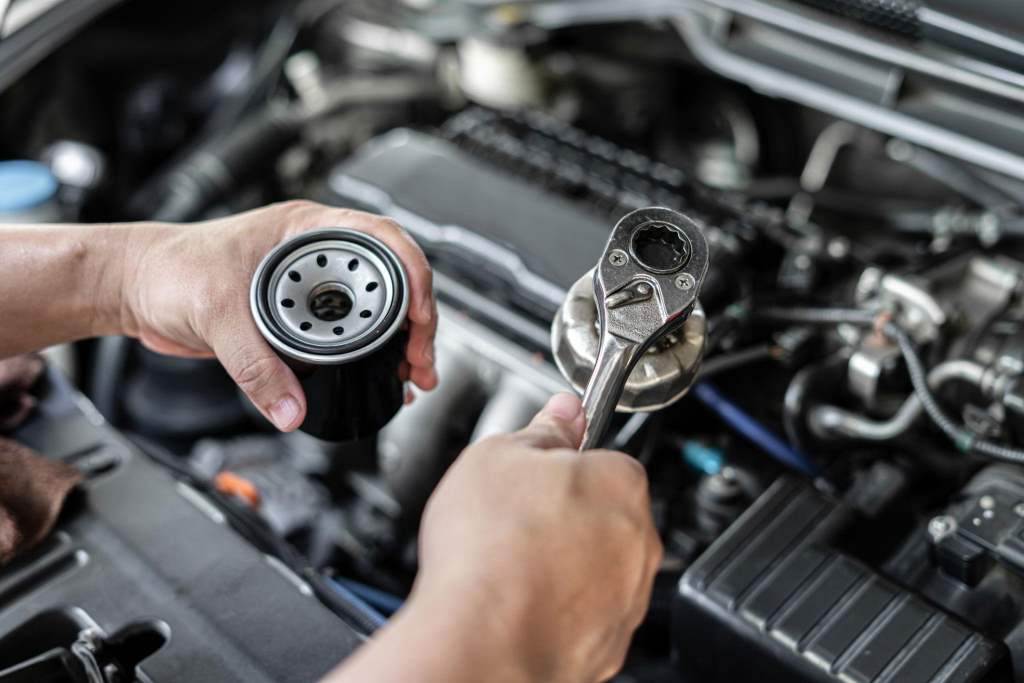
Every successful car repair starts with the right tools. Yet, many people overlook how much tool quality and selection affect repair speed, safety, and accuracy. According to the U.S. Bureau of Labor Statistics, automotive service technicians complete over 60 million repair tasks annually, and tool efficiency plays a major role in productivity. At the same time, a report from the National Institute for Automotive Service Excellence shows that improper tools increase repair errors significantly. So, choosing the best tools for automotive repair is not just about convenience. It directly impacts results, safety, and long term performance. This guide breaks down exactly how to pick the right gear for your garage with practical insights and real world value.
Why Choosing the Right Automotive Tools Matters
Selecting the correct tools improves both efficiency and accuracy. When you use proper equipment, you reduce the risk of damaging parts. At the same time, you complete tasks faster and with better results. Poor tool choices often lead to stripped bolts, incorrect torque, and unsafe repairs.
Moreover, the right tools help maintain consistency. For example, using a torque wrench ensures bolts are tightened to exact specifications. That level of precision protects both the vehicle and the technician. In addition, good tools reduce physical strain, which matters during long repair sessions.
Therefore, investing time in selecting tools is just as important as learning repair skills. Both go hand in hand for professional level results.
Understanding Different Categories of Automotive Tools
Hand Tools
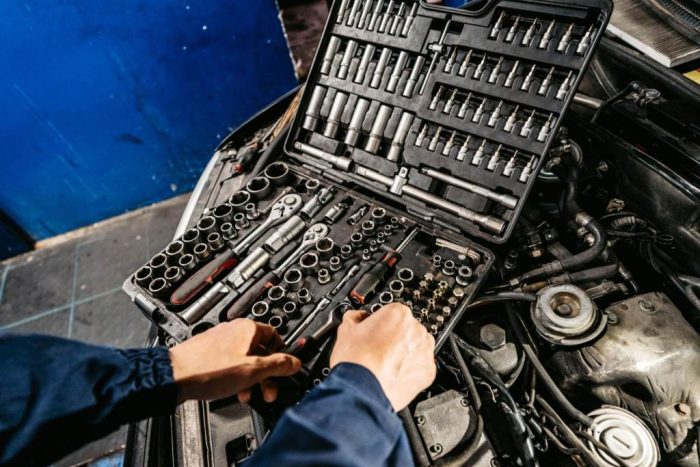
Hand tools form the foundation of any garage. These tools handle basic tasks like tightening, loosening, gripping, and cutting.
Common essential hand tools include:
- Socket sets with ratchets
- Combination wrenches
- Screwdrivers in multiple sizes
- Pliers such as needle nose and locking types
- Hammers and mallets
Each tool serves a specific function. For instance, sockets provide better grip on bolts compared to open end wrenches. As a result, they reduce slipping and damage.
Power Tools
Power tools increase speed and reduce manual effort. They are especially useful for repetitive tasks or stubborn fasteners.
Key examples include:
- Impact wrenches
- Electric drills
- Angle grinders
- Cordless ratchets
These tools save time, yet they require proper handling. Overuse or incorrect settings can damage components. Therefore, always match the tool to the task.
Diagnostic Tools
Modern vehicles rely heavily on electronics. Because of that, diagnostic tools are now essential.
Important diagnostic equipment includes:
- OBD scanners
- Multimeters
- Battery testers
- Code readers
These tools help identify problems quickly. Instead of guessing, you rely on data, which improves accuracy and saves time.
Key Factors to Consider When Choosing Automotive Tools
Quality and Durability
High quality tools last longer and perform better. Materials like chrome vanadium steel resist wear and corrosion. Although cheaper tools may seem attractive, they often fail under pressure.
Durability also affects safety. A weak tool can break during use, which can cause injury. Therefore, always choose tools built for heavy duty use.
Ergonomics and Comfort
Comfort matters more than many people think. Tools with ergonomic handles reduce hand fatigue. This becomes crucial during extended repair work.
In addition, better grip design improves control. That leads to more precise work and fewer mistakes.
Compatibility with Vehicle Types
Different vehicles require different tools. For example, European cars often use metric sizes, while older American models may use standard sizes.
Therefore, ensure your tool set covers both systems if you work on multiple vehicles. This flexibility saves time and avoids frustration.
Storage and Organization
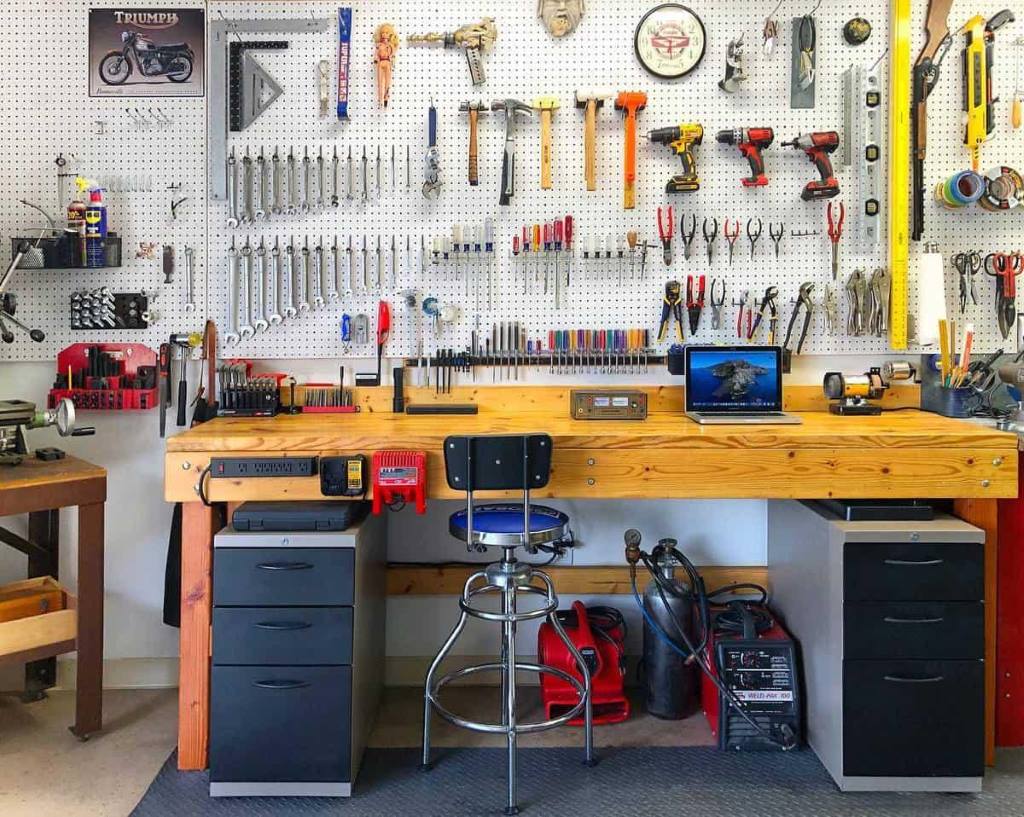
A well organized garage improves efficiency. Toolboxes, wall mounts, and storage cabinets keep everything accessible.
Benefits of good organization include:
- Faster workflow
- Reduced tool loss
- Improved safety
When tools are easy to find, you spend less time searching and more time working.
Essential Tools Every Garage Should Have
Basic Starter Kit
Every garage should begin with a core set of tools. These tools handle most common repairs.
A strong starter kit includes:
- Socket and ratchet set
- Screwdriver set
- Adjustable wrench
- Pliers set
- Torque wrench
This combination covers a wide range of tasks. As a result, beginners can handle basic maintenance and repairs confidently.
Advanced Equipment for Serious Repairs
As your skills grow, you will need more advanced tools. These tools handle complex repairs and diagnostics.
Examples include:
- Brake caliper tools
- Engine hoists
- Compression testers
- Fuel pressure gauges
Such tools expand your capabilities. Therefore, they are essential for anyone aiming to work at a professional level.
How to Build Your Tool Collection Step by Step
Start with the Basics
Begin with essential tools only. Focus on items you will use frequently. This approach prevents unnecessary spending and clutter.
Upgrade Gradually
Once you gain experience, invest in higher quality or specialized tools. For instance, upgrading from a basic wrench to a precision torque wrench improves accuracy.
Focus on Versatility
Choose tools that serve multiple purposes. Multi use tools reduce the number of items you need. At the same time, they maximize value and efficiency.
Learn Before Buying
Research tools before purchasing. Read reviews, watch demonstrations, and understand use cases. This ensures you choose tools that meet your needs.
Common Mistakes to Avoid
Buying Cheap Tools Only
Low cost tools often fail quickly. While they may save money initially, they cost more in the long run due to replacements.
Ignoring Safety Tools
Safety gear is just as important as repair tools. Always include gloves, safety glasses, and jack stands in your setup.
Overloading Your Garage
Too many tools create clutter. Instead, focus on quality and necessity. Keep your workspace clean and efficient.
Not Maintaining Tools
Tools require care. Clean them regularly and store them properly. Maintenance extends their lifespan and keeps them reliable.
Tips for Maintaining Your Automotive Tools
Regular Cleaning
Dirt and grease can damage tools over time. Clean tools after each use to prevent buildup.
Proper Storage
Store tools in a dry environment. Moisture leads to rust and corrosion, which weakens materials.
Routine Inspection
Check tools for wear and damage. Replace faulty tools immediately to avoid safety risks.
Lubrication
Moving parts need lubrication to function smoothly. Apply oil where necessary to maintain performance.
Real World Example: Building a Functional Home Garage
Consider a beginner setting up a home garage. They start with a basic tool kit and a simple toolbox. Over time, they add a torque wrench, diagnostic scanner, and power tools.
As their experience grows, they organize tools using wall mounts and labeled drawers. This setup improves efficiency and reduces repair time.
Eventually, they handle complex repairs like brake replacements and engine diagnostics. This progression shows how strategic tool selection leads to better results.
Conclusion
Choosing the best tools for automotive repair is a strategic process. It requires understanding your needs, selecting quality equipment, and building your collection gradually. The right tools improve efficiency, accuracy, and safety. At the same time, they make every repair smoother and more enjoyable.
Start with essential tools, upgrade wisely, and maintain your equipment regularly. With the right approach, your garage becomes a reliable workspace capable of handling any repair challenge. Take action today and begin building a tool set that supports your skills and goals.
FAQs
What are the most important tools for beginners in automotive repair?
A beginner should start with a socket set, screwdrivers, pliers, adjustable wrench, and torque wrench. These tools handle most basic repairs and maintenance tasks.
How do I know if a tool is high quality?
Look for durable materials like chrome vanadium steel and check user reviews. A well built tool feels solid and performs consistently under pressure.
Should I choose manual tools or power tools first?
Start with manual tools. Once you gain experience, add power tools to increase efficiency and reduce effort.
How often should I replace automotive tools?
Replace tools when they show signs of damage or reduced performance. Regular inspection helps identify issues early.
Is tool organization really important in a garage?
Yes, organization improves workflow and saves time. It also reduces the risk of losing tools and enhances safety.