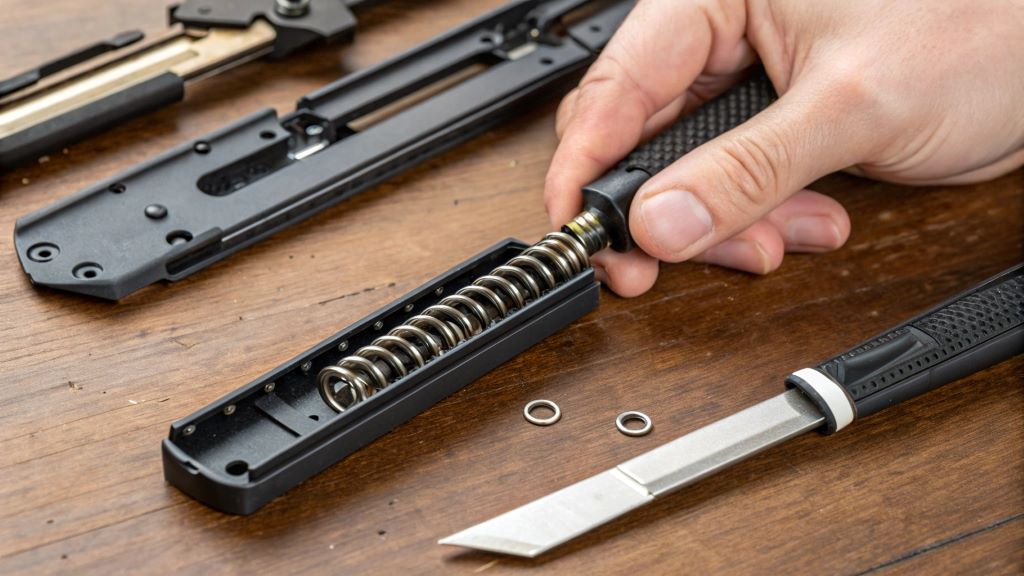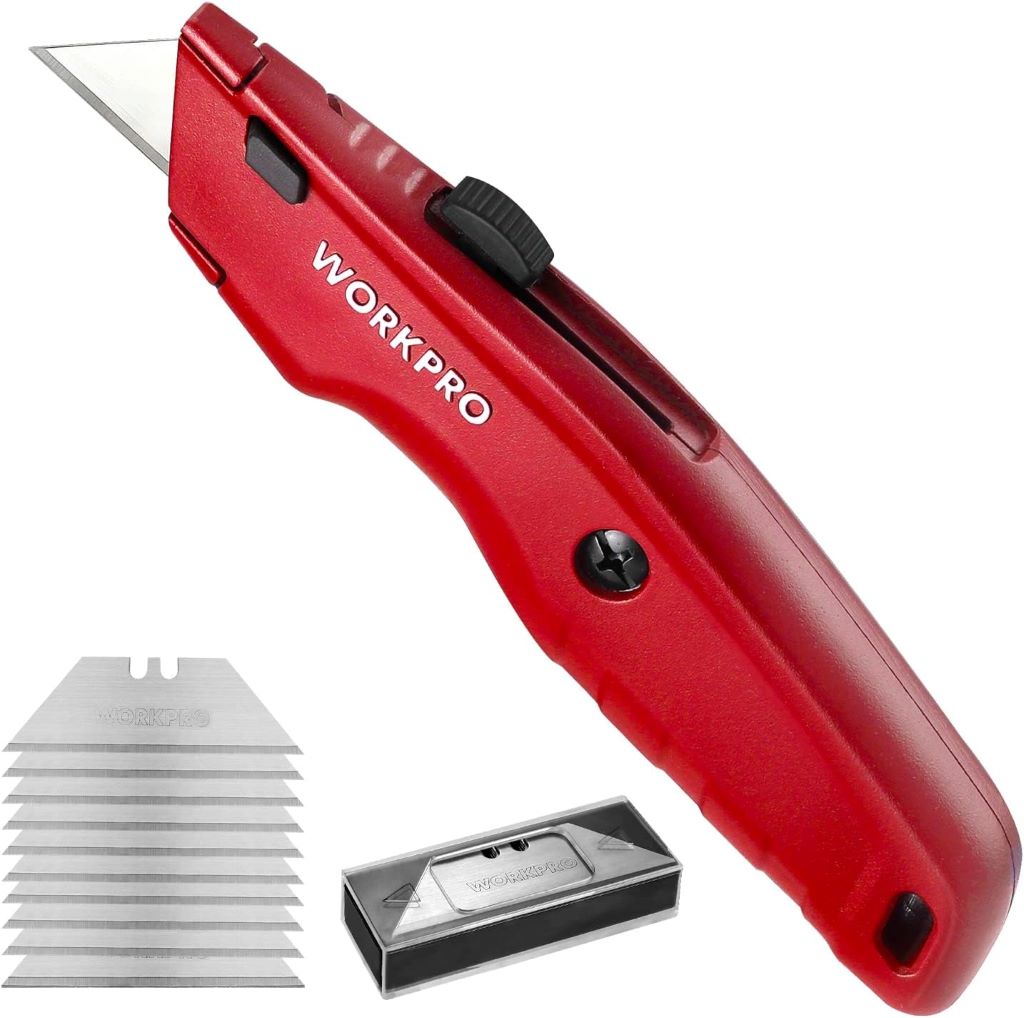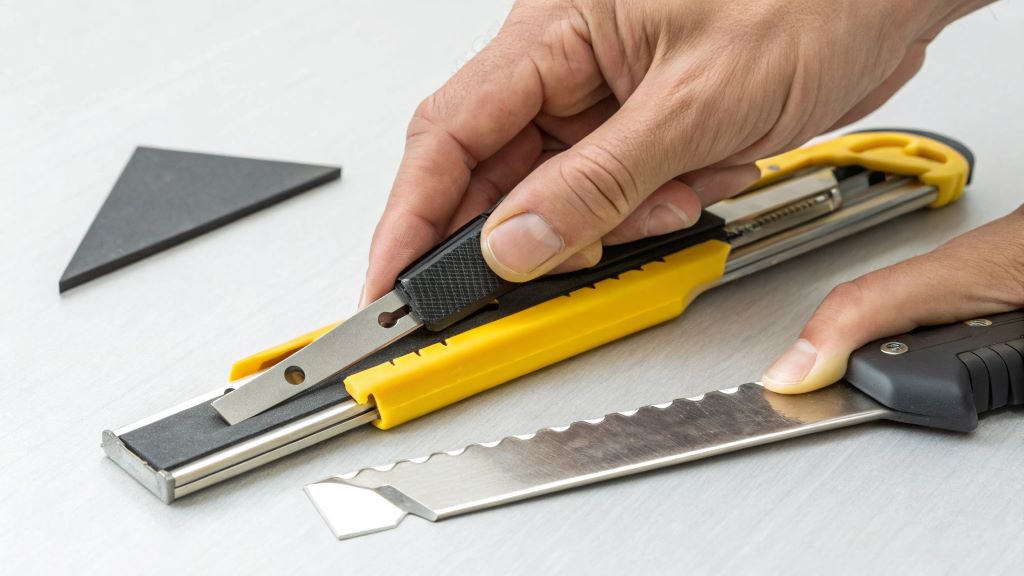
Growing up, I watched my father tackle home projects with a trusty utility knife. One day, he showed me how to snap a blade to refresh its edge. His hands moved with confidence, but he warned, “Respect the blade, or it’ll bite.” That lesson stuck with me. Utility knives are handy for cutting drywall, carpet, or crafting, but snapping their blades can be risky if done carelessly. According to the U.S. Consumer Product Safety Commission, over 350,000 people visit emergency rooms annually for knife-related injuries. While specific data on utility knife blade snapping is scarce, improper handling contributes significantly. This guide shares a safe, step-by-step process on how to safely snap utility knife blades , blending personal insights with expert tips. Whether you’re a DIY enthusiast or a professional, you’ll learn to handle this task confidently and avoid accidents. Let’s dive in and keep safety first.
Why Snapping Utility Knife Blades Matters
Utility knife blades dull quickly, especially when cutting tough materials like cardboard or drywall. A dull blade requires more force, increasing the risk of slips and injuries. Snapping a blade exposes a fresh, sharp edge, restoring cutting efficiency. However, snapping blades isn’t just about convenience; it’s about precision and safety. A sharp blade cuts cleanly, reducing jagged edges that can ruin projects or cause accidents. For example, in my early crafting days, I ignored a dull blade, thinking it was “good enough.” The result?
A crooked cut and a near-miss with my finger. That experience taught me the value of a fresh edge. According to a 2019 study by the National Safety Council, sharp tools reduce workplace injuries by 20% compared to dull ones. Snapping blades properly ensures you maintain control and avoid forcing the tool. This section explores why this skill is essential for anyone using a utility knife regularly, from hobbyists to contractors.
Tools You’ll Need for Safe Blade Snapping
Before snapping a utility knife blade, gather the right tools to ensure safety and efficiency. Having everything ready prevents improvisation, which can lead to mistakes. Here’s what you need:
- Utility knife with a snap-off blade: Ensure the blade is compatible with your knife.
- Pliers or blade-breaking tool: These provide a safe grip for snapping.
- Safety gloves: Cut-resistant gloves protect your hands.
- Safety glasses: Shield your eyes from flying blade fragments.
- Container for used blades: A sharps container or metal tin prevents hazards.
I learned this the hard way when I once tried snapping a blade without gloves. The blade slipped, narrowly missing my hand. Since then, I never skip protective gear. Additionally, a dedicated blade disposal container is crucial. The Occupational Safety and Health Administration (OSHA) reports that improper disposal of sharp objects causes thousands of injuries yearly. Using these tools creates a controlled environment, reducing risks. If you’re unsure about your knife’s compatibility, check the manufacturer’s guidelines.
Step-by-Step Guide to Snapping Utility Knife Blades
Snapping a utility knife blade is straightforward if you follow a clear process. Here’s a step-by-step guide to do it safely:
- Prepare your workspace: Clear a flat, stable surface. Ensure good lighting to see score lines on the blade.
- Wear protective gear: Put on safety gloves and glasses to shield against cuts and debris.
- Extend the blade: Pull the blade out to expose one or two segments beyond the score line.
- Secure the blade: Use pliers or a blade-breaking tool to grip the segment you want to snap.
- Snap the blade: Bend the segment downward firmly but gently. It should break cleanly along the score line.
- Dispose of the segment: Place the broken piece in a sharps container immediately.
- Check the new edge: Ensure the fresh blade edge is sharp and properly aligned.
When I first tried this, I rushed and skipped the pliers, thinking my hands were enough. The blade twisted, creating a jagged edge. Now, I follow these steps meticulously. If the blade doesn’t snap cleanly, don’t force it; reposition and try again. This method, endorsed by tool safety experts, minimizes risks and ensures a clean break.
Common Mistakes to Avoid
Even with the best intentions, mistakes can happen when snapping utility knife blades. Knowing what to avoid keeps you safe. First, never snap a blade with your bare hands. The risk of cuts is high, as I learned during my early DIY days when I underestimated a blade’s sharpness. Second, avoid using a dull or damaged blade. A 2020 report by the Bureau of Labor Statistics notes that defective tools cause 8% of workplace injuries. Third, don’t snap more than one segment at a time; it can cause the blade to shatter.
Additionally, never leave broken segments lying around. I once found a discarded piece in my workshop, a reminder to always use a sharps container. Finally, don’t rush the process. Taking an extra minute to double-check your grip or workspace prevents accidents.
Tips for Maintaining Your Utility Knife

A well-maintained utility knife makes blade snapping easier and safer. Regular care extends the tool’s life and ensures smooth operation. First, clean the knife after each use. Debris like adhesive or dust can jam the blade mechanism. I wipe mine with a damp cloth and dry it thoroughly. Second, lubricate the blade slider monthly with a drop of machine oil to prevent sticking. Third, store the knife in a dry place to avoid rust, which can dull blades prematurely.
According to a 2021 tool maintenance study by Popular Mechanics, proper care reduces tool failure by 30%. Fourth, replace blades when they show signs of wear, such as nicks or bends. Finally, inspect the knife’s locking mechanism regularly. A loose lock can cause the blade to slip during snapping. These habits, developed after years of trial and error, keep my utility knife reliable. Consistent maintenance not only enhances safety but also saves money on replacements.
The Importance of Proper Blade Disposal
Disposing of snapped blade segments correctly is as critical as snapping them safely. Improper disposal can harm others, including waste handlers. Always use a designated sharps container or a sturdy metal tin for used blades. I keep a small coffee can in my workshop, taped shut with a slot for blades. Never toss segments in regular trash; they can pierce bags and cause injuries. OSHA estimates that sharps-related incidents affect 5.6 million waste workers annually.
Label your container clearly to alert others. If you’re on a job site, follow local regulations for hazardous waste disposal. Some communities offer sharps drop-off programs, which I use for larger projects. Additionally, consider recycling options. Some manufacturers, like Stanley, provide blade recycling programs. Proper disposal reflects responsibility and care for your community. By making this a habit, you protect yourself and others from preventable accidents.
Carpet Knife vs. Utility Knife: Cutting Through the Confusion
Conclusion
Snapping utility knife blades doesn’t have to be daunting. With the right tools, techniques, and mindset, you can master this skill safely. My journey from a nervous novice to a confident DIYer taught me that preparation and respect for the tool are key. By following the steps outlined—wearing protective gear, using pliers, and disposing of blades properly—you minimize risks and maximize efficiency. The statistics are clear: sharp tools and proper handling reduce injuries significantly. Whether you’re cutting materials for a home project or a professional job, these practices ensure you work smarter, not harder. Now, it’s your turn to put these tips into action. Have a story about using a utility knife or a tip to share? Leave a comment below or share this article with fellow DIY enthusiasts. Let’s keep the conversation sharp and safe!
FAQs
How often should I snap a utility knife blade?
Snap the blade when it dulls, typically after heavy use like cutting drywall or cardboard. Check for reduced cutting efficiency.
Can I snap a blade without pliers?
It’s not recommended. Pliers provide a safe grip, reducing the risk of cuts or blade shattering.
What should I do if a blade doesn’t snap cleanly?
Reposition the blade in the pliers and try again. If it persists, replace the blade to avoid hazards.
Are all utility knife blades snap-off?
No, only specific snap-off blades designed for utility knives work. Check your knife’s compatibility.
Where can I dispose of used blades safely?
Use a sharps container or metal tin. Check local recycling programs or drop-off sites for proper disposal.
Read More: