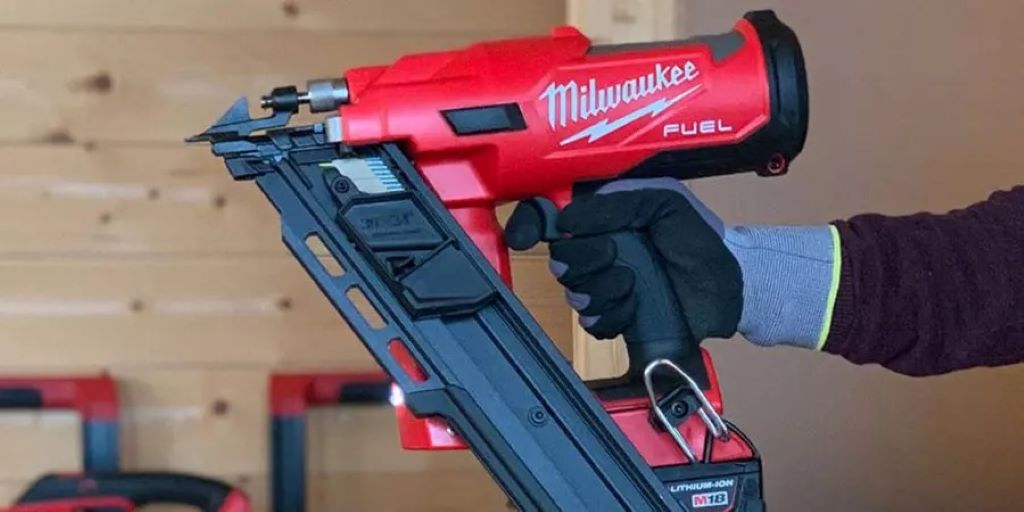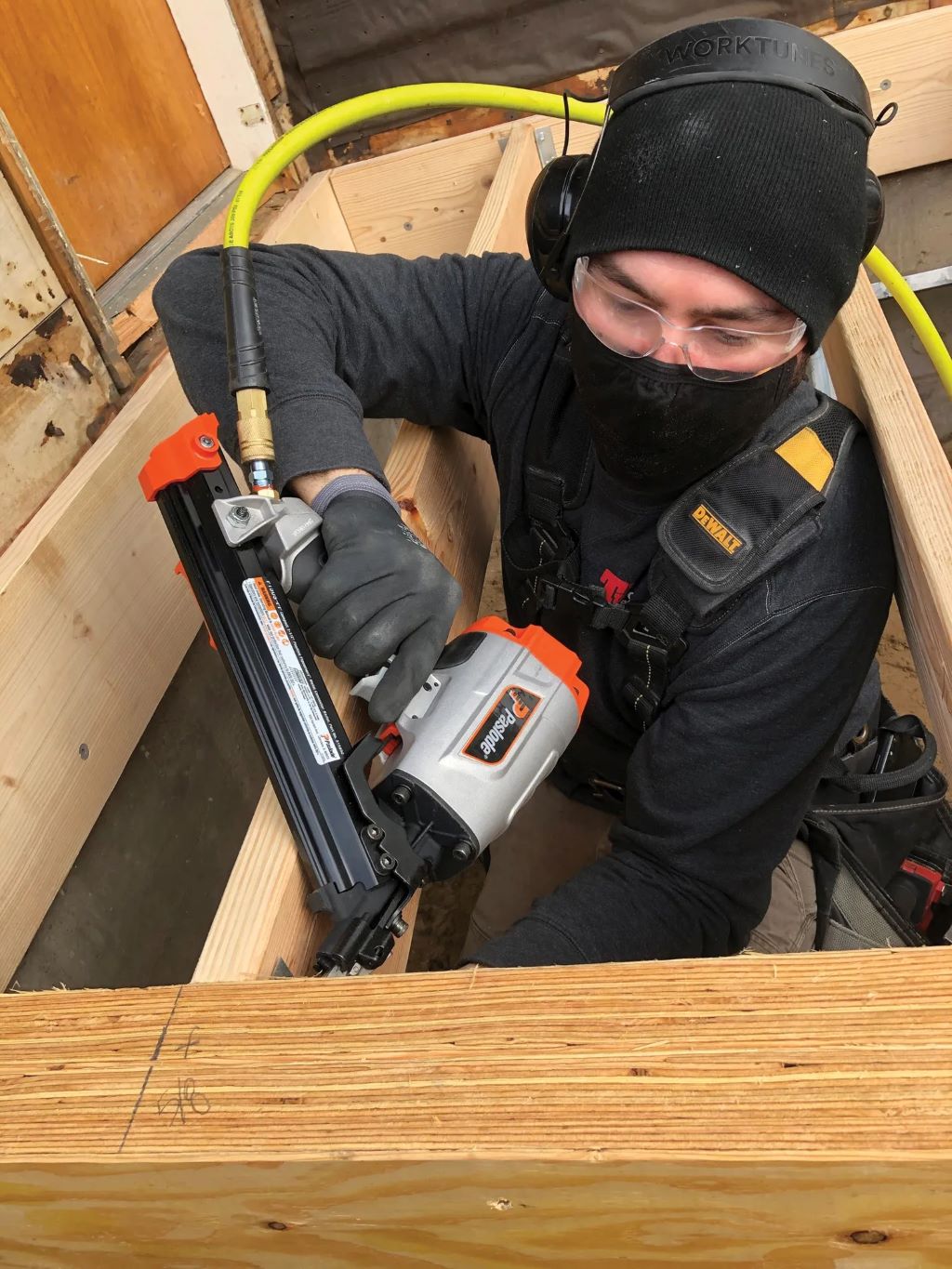
Imagine you’re on a bustling construction site, racing against a tight deadline to secure hundreds of joist hangers and hurricane ties. Hand-nailing each connector is grueling, time-consuming, and leaves your arms aching. Enter the 35-degree pneumatic metal connector nailer—a game-changer that promises speed, precision, and durability. But what makes this tool a must-have for builders, and how can it transform your projects? In this comprehensive guide, we’ll dive into everything you need to know about the 35-degree pneumatic metal connector nailer, from its features and benefits to tips for choosing the best model and using it effectively. Whether you’re a seasoned contractor or a DIY enthusiast, this article will equip you with the knowledge to nail your next project with confidence.
What Is a 35-Degree Pneumatic Metal Connector Nailer?
A 35-degree pneumatic metal connector nailer, often called a positive placement nailer or joist hanger nailer, is a specialized power tool designed to drive nails into metal connectors with pinpoint accuracy. Unlike standard framing nailers, these tools feature an exposed nail tip or probe that aligns perfectly with pre-punched holes in metal hardware, such as joist hangers, rafter ties, hurricane ties, and post bases. The 35-degree angle refers to the collation angle of the nails, typically paper-tape collated, which allows for a compact magazine design that fits into tight spaces.
These nailers rely on compressed air to deliver powerful, consistent drives, making them ideal for heavy-duty construction tasks. They’re widely used in framing, deck building, roofing, and other structural applications where metal connectors enhance stability and meet stringent building codes.
Why Choose a 35-Degree Nailer?
The 35-degree collation angle strikes a balance between maneuverability and nail capacity. Compared to 30-degree or 21-degree nailers, the 35-degree design allows the tool to fit into confined areas, such as 12-inch on-center joists, while holding enough nails to minimize reloads. This makes it a favorite for professionals tackling large-scale projects like home construction or deck installations.
Key Features of a 35-Degree Pneumatic Metal Connector Nailer
When shopping for a 35-degree pneumatic metal connector nailer, understanding its features is crucial to selecting the right model. Here are the standout characteristics that define top-tier tools:
-
Exposed Nail Tip or Probe Design
The hallmark of a metal connector nailer is its ability to place nails precisely into connector holes. Most models use an exposed nail tip that guides the fastener directly into the hole, while some, like the Everwin MCN65, feature a probe for enhanced accuracy. This design eliminates guesswork and reduces misfires, ensuring every nail hits its mark.
-
Compact and Lightweight Build
At around 10.5 to 12 inches tall and weighing 5 to 7 pounds, these nailers are engineered for tight spaces and reduced user fatigue. Many, like the DEWALT DWMC150, use die-cast magnesium or anodized aluminum for durability without added bulk. A compact design is essential for navigating crawl spaces or overhead framing.
-
Safety Mechanisms
Safety is paramount on construction sites. Most 35-degree nailers include a trigger lock or safety contact arm that prevents firing unless the nail tip is properly seated in a connector hole. For example, the Freeman PMC250 features a fire lock to avoid accidental discharges, protecting both the user and the workpiece.
-
Rafter Hook and Ergonomic Grip
A sturdy rafter hook, as seen on models like the Bostitch MCN150, allows you to hang the tool on a joist or belt, freeing your hands for positioning connectors. Comfort grip handles reduce strain during long shifts, boosting productivity.
-
Compatibility with Fasteners
These nailers typically accept 1-1/2-inch to 2-1/2-inch metal connector nails with diameters ranging from 0.131 to 0.162 inches (8-10 gauge). They’re compatible with hot-dipped galvanized or non-galvanized nails, meeting building code requirements for indoor and outdoor applications.
Benefits of Using a 35-Degree Pneumatic Metal Connector Nailer
Why invest in a specialized tool when you could hand-nail or use a palm nailer? Here’s why a 35-degree pneumatic metal connector nailer stands out:
- Speed and Efficiency: Users report completing tasks 5 to 20 times faster than hand-nailing. For instance, one contractor nailed 6,000 joist hangers in two weeks without jams, a feat unimaginable with manual methods.
- Precision: The exposed nail tip ensures accurate placement, reducing skips and enhancing structural integrity.
- Reduced Fatigue: Lightweight designs and ergonomic features minimize physical strain, especially during repetitive tasks.
- Code Compliance: Metal connectors fastened with rated nails meet modern building codes, ensuring safety and resilience against natural disasters.
- Versatility: From decks to trusses, these nailers handle a wide range of framing applications.
Top Models to Consider
Based on user reviews and expert insights, here are three standout 35-degree pneumatic metal connector nailers:
- DEWALT DWMC150
- Price: ~$219
- Key Features: 10.5-inch height, magnesium body, rafter hook, 1-1/2-inch nail compatibility.
- Pros: Lightweight, fits tight spaces, reliable for thousands of nails.
- Cons: Limited to 1-1/2-inch nails; no 2-1/2-inch option.
- Freeman PMC250
- Price: ~$200
- Key Features: 1-1/2 to 2-1/2-inch nails, anodized aluminum magazine, 7-year warranty.
- Pros: Versatile nail range, durable, budget-friendly.
- Cons: Occasionally out of stock at retailers.
- Bostitch MCN150 (Strapshot)
- Price: ~$250
- Key Features: Compact 10.5-inch design, in-line magazine, hardened nails for misfire safety.
- Pros: Excellent for 12-inch on-center joists, reliable for high-volume use.
- Cons: Smaller nail capacity requires frequent reloads.
How to Choose the Right 35-Degree Pneumatic Metal Connector Nailer
Selecting the best nailer depends on your project needs and budget. Consider these factors:
- Nail Size Requirements: Check your connectors’ specifications. Some hangers require 2-1/2-inch nails for double shear holes, while others use 1-1/2-inch nails.
- Project Scale: For one-time jobs, a budget-friendly model like the Freeman PMC250 suffices. For heavy-duty use, invest in a DEWALT or Bostitch.
- Compressor Compatibility: Ensure your compressor delivers the required SCFM (Standard Cubic Feet per Minute) at 90 PSI. Most nailers need a robust compressor, not a pancake model.
- Brand Ecosystem: If you own other tools from Senco, Metabo, or Bostitch, check for compatible fasteners and accessories.
- Warranty and Support: Look for generous warranties, like Freeman’s 7-year coverage, for long-term reliability.
Tips for Using Your Metal Connector Nailer Effectively
To maximize performance and safety, follow these best practices:
- Use the Right Fasteners: Always use manufacturer-recommended nails, such as Simpson Strong-Tie’s galvanized connector nails, to avoid jams and ensure code compliance.
- Maintain Your Tool: Regularly lubricate with air tool oil and clean the magazine to prevent debris buildup.
- Adjust Air Pressure: Set your compressor within the nailer’s recommended PSI range (typically 70-120 PSI) to avoid over- or under-driving nails.
- Wear Safety Gear: Safety glasses and gloves are non-negotiable to protect against ricochet or misfires.
- Practice Proper Technique: Position the nail tip firmly in the connector hole before firing to ensure accuracy and prevent damage to the hardware.
Common Challenges and Solutions
Even the best tools have quirks. Here’s how to address common issues:
- Jams: Clear jams by disconnecting the air supply and opening the magazine (if applicable). Regular maintenance reduces jam frequency.
- Misfires: Check for correct nail collation or adjust air pressure. Using non-recommended nails can cause misfires.
- Spring Issues: Some users report weak magazine springs failing to advance nails. Contact the manufacturer for warranty support.
- Tight Spaces: If the nailer doesn’t fit, consider a palm nailer or screws with an impact driver for confined areas. For high-volume tasks, a pneumatic nailer paired with a reliable compressor is hard to beat.web:15�#
Conclusion: Nail Your Next Project with Confidence
The 35-degree pneumatic metal connector nailer is a powerhouse that combines speed, precision, and durability to tackle demanding construction tasks. Whether you’re framing a house, building a deck, or securing hurricane ties, this tool saves time, reduces fatigue, and ensures code-compliant results. By choosing a model like the DEWALT DWMC150 or Freeman PMC250 and following best practices, you’ll elevate your efficiency and craftsmanship.
Ready to transform your construction projects? Share your experiences with metal connector nailers in the comments below, or let us know which model you’re eyeing for your next job. For more tool reviews and construction tips, subscribe to our blog and never miss an update!
Read More:
When to Replace Your Nail Gun’s Air Filter for Optimal Performance