

Every year, thousands of people suffer injuries while using garden power tools, many of which result from preventable mistakes. According to the U.S. Consumer Product Safety Commission, outdoor power equipment contributes to tens of thousands of emergency room visits annually. Meanwhile, safety data from occupational health organizations consistently show that proper training and protective equipment significantly reduce injury risks during landscaping activities.
If you own a cordless hedge trimmer, understanding how to use it safely is just as important as learning how to achieve clean, professional looking cuts. Although cordless hedge trimmers offer excellent mobility and convenience, improper handling can lead to serious accidents.
This guide explains how to safely use a cordless hedge trimmer, from preparation and protective gear to cutting techniques and maintenance practices. By following these practical steps, you can maintain beautiful hedges while protecting yourself and others.
Understanding How a Cordless Hedge Trimmer Works
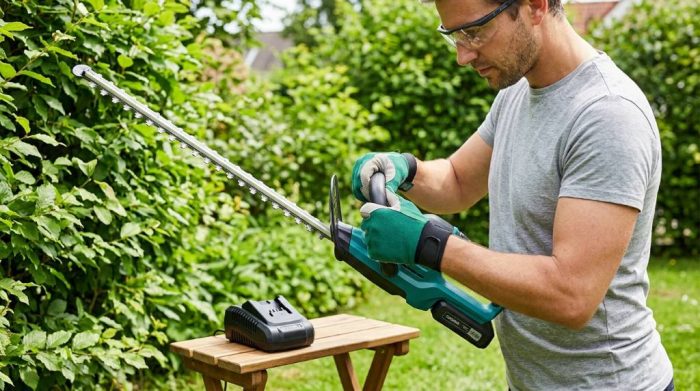
Before using any power tool, it helps to understand its basic operation. A cordless hedge trimmer uses a rechargeable battery to power reciprocating blades that move rapidly back and forth. These blades cut through branches, leaves, and shrubs with minimal physical effort.
Unlike corded models, cordless hedge trimmers eliminate extension cord hazards. However, users still face risks related to sharp blades, flying debris, unstable footing, and improper operation.
Key components include:
- Rechargeable battery pack
- Trigger switch and safety lock
- Front safety handle
- Protective blade guard
- Dual action cutting blades
- Hand protection shield
Understanding these components helps you operate the tool more confidently and safely.
Why Safety Matters When Using a Cordless Hedge Trimmer
Many homeowners underestimate the power of cordless garden equipment. Modern battery powered hedge trimmers deliver cutting performance comparable to gas powered models.
Common accidents occur because users:
- Skip protective equipment
- Operate the trimmer one handed
- Work on unstable surfaces
- Trim above shoulder height
- Ignore blade maintenance
- Attempt to cut oversized branches
Fortunately, most injuries can be avoided through preparation and proper technique.
Wear Proper Personal Protective Equipment
Protect Your Eyes
Flying branches, leaves, and wood chips can cause serious eye injuries. Therefore, always wear safety glasses or protective goggles that meet safety standards.
Regular eyeglasses do not provide adequate protection against high speed debris.
Use Hearing Protection
Although cordless hedge trimmers operate more quietly than gas models, prolonged exposure to motor noise can still affect hearing. Earplugs or earmuffs help reduce this risk.
Wear Appropriate Clothing
Choose fitted clothing that cannot become tangled in branches or equipment.
Recommended clothing includes:
- Long pants
- Long sleeved shirts
- Work gloves
- Non slip footwear
- Protective eyewear
Avoid jewelry, scarves, and loose garments while operating the trimmer.
Inspect the Cordless Hedge Trimmer Before Use
A pre operation inspection takes only a few minutes but can prevent equipment failures and injuries.
Before starting, check:
- Battery charge level
- Blade sharpness
- Blade alignment
- Safety switch operation
- Handle stability
- Protective guards
- Visible damage or cracks
If you notice damaged components, stop using the tool until repairs are completed.
Prepare Your Work Area
A safe workspace significantly reduces accident risks.
Remove Obstacles
Walk around the hedge and clear away:
- Garden hoses
- Rocks
- Children’s toys
- Branches on the ground
- Outdoor furniture
- Decorative items
This preparation helps prevent slips and unexpected blade contact.
Keep Others Away
Children, pets, and bystanders should remain well away from the trimming area. Flying debris can travel farther than many people expect.
Consider establishing a safety perimeter around your workspace.
Check Weather Conditions
Never operate a cordless hedge trimmer during:
- Rainstorms
- High winds
- Lightning conditions
- Heavy fog
- Wet ground conditions
Dry conditions provide better footing and improved visibility.
How to Hold a Cordless Hedge Trimmer Correctly
Proper grip technique improves both safety and cutting accuracy.
Always use both hands when operating the tool. One hand should grip the rear handle while the other supports the front handle.
Maintain:
- Firm grip pressure
- Balanced body position
- Feet shoulder width apart
- Slight knee bend
- Stable footing
Never remove safety guards or operate with one hand, even for quick trimming tasks.
Safe Cutting Techniques for Hedge Trimming
Start with Light Cuts
Begin by trimming small amounts of foliage. Removing too much material at once can cause uneven cuts and increase operator fatigue.
Gradual trimming also helps maintain hedge shape.
Work from Bottom to Top
Professional landscapers often recommend trimming upward sections gradually.
Benefits include:
- Better visibility
- More consistent shaping
- Reduced debris buildup
- Improved control
This approach produces cleaner results while enhancing safety.
Avoid Overreaching
One of the most common causes of hedge trimming injuries involves overextending body position.
Instead of stretching:
- Move closer to the hedge
- Reposition your feet frequently
- Use proper ladders when necessary
- Take breaks during extended work
Maintaining balance should always take priority over speed.
Never Cut Above Shoulder Height
Trimming overhead significantly reduces control and increases injury risk.
If sections exceed safe working height:
- Use specialized long reach equipment
- Hire professional landscaping assistance
- Trim from approved stable platforms
Avoid standing on unstable objects such as buckets, chairs, or stacked materials.
Battery Safety Practices
Cordless hedge trimmers rely heavily on battery performance and proper handling.
Follow these battery safety guidelines:
- Use manufacturer approved chargers
- Avoid exposing batteries to extreme heat
- Store batteries in dry locations
- Inspect batteries regularly for damage
- Remove batteries during maintenance
- Keep battery terminals clean
Additionally, never attempt to modify or disassemble rechargeable battery packs.
What Branches Should You Avoid Cutting?
Cordless hedge trimmers work best on small branches and foliage.
Generally avoid cutting:
- Thick hardwood branches
- Dead tree limbs
- Branches exceeding blade capacity
- Metal wire supports
- Hidden fencing materials
For thicker branches, use pruning shears, loppers, or pruning saws instead.
Take Breaks to Prevent Fatigue
Fatigue often contributes to poor judgment and accidents.
During longer trimming sessions:
- Rest every 20 to 30 minutes
- Hydrate regularly
- Stretch your hands and shoulders
- Inspect equipment during breaks
- Stop immediately if concentration declines
Fresh operators consistently make safer decisions.
How to Safely Clean and Store a Cordless Hedge Trimmer
Remove the Battery First
Always disconnect the battery before performing any maintenance or cleaning tasks.
This simple step prevents accidental activation.
Clean the Blades Carefully
After each use:
- Brush away leaves and debris
- Wipe blades with a clean cloth
- Apply appropriate blade lubricant
- Inspect for damage or wear
Regular cleaning improves both safety and performance.
Store Properly
Store your cordless hedge trimmer:
- Indoors when possible
- In a dry environment
- Out of children’s reach
- With blade covers installed
- Separate from battery packs
Proper storage extends equipment life while reducing accident risks.
Common Mistakes to Avoid
Even experienced users occasionally develop unsafe habits.
Avoid these common mistakes:
- Operating without safety glasses
- Using dull blades
- Working while tired
- Ignoring maintenance schedules
- Using damaged batteries
- Cutting beyond recommended capacity
- Operating in wet conditions
- Using ladders improperly
Eliminating these behaviors dramatically improves safety outcomes.
Conclusion
Learning how to safely use a cordless hedge trimmer involves more than simply turning the tool on and trimming branches. Safe operation requires proper protective equipment, careful preparation, correct handling techniques, and consistent maintenance habits.
By inspecting your equipment, maintaining stable footing, using appropriate cutting methods, and respecting the tool’s limitations, you can reduce injury risks while achieving professional looking landscaping results.
Before your next trimming session, take a few extra minutes to review these safety practices. That small investment of time can help protect both you and your property.
Frequently Asked Questions
Can I use a cordless hedge trimmer in wet conditions?
No, you should only operate a cordless hedge trimmer in dry conditions to reduce electrical and slipping hazards.
Do I need safety glasses when trimming hedges?
Yes, safety glasses protect your eyes from flying debris and are essential protective equipment.
Can a cordless hedge trimmer cut thick branches?
No, hedge trimmers work best on smaller branches within the manufacturer’s recommended cutting capacity.
Should I remove the battery before cleaning the trimmer?
Yes, always remove the battery before performing any cleaning or maintenance.
How often should I sharpen hedge trimmer blades?
Blade sharpening frequency depends on usage, but regular inspection after each season is recommended.


