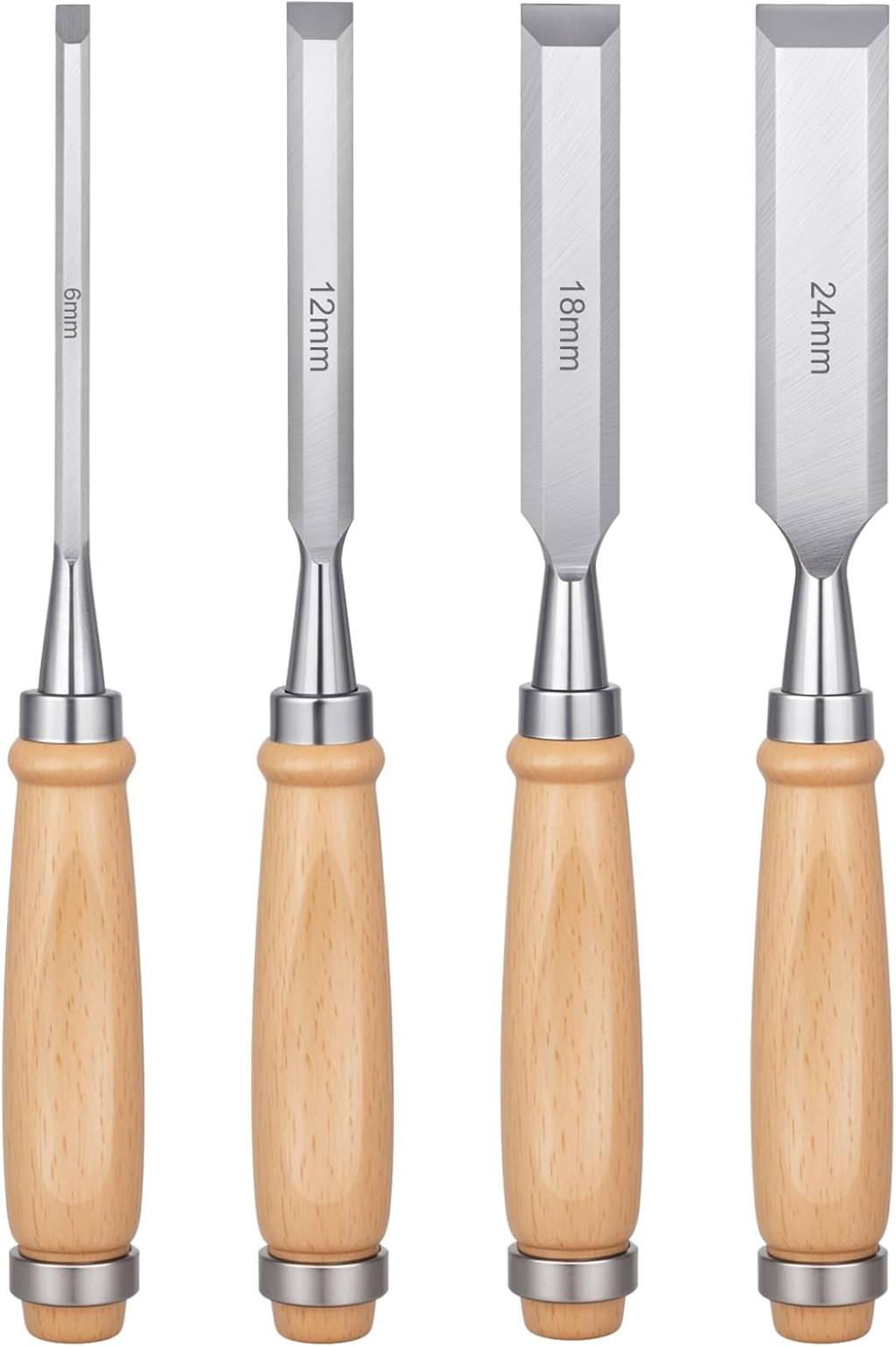
Have you ever struggled with a dull chisel that just won’t cut cleanly? I remember my first woodworking project—a small wooden box that was supposed to be a gift. My chisel was so blunt it tore the wood instead of slicing it. Frustrated, I learned how to sharpen dull chisels at home, saving money and improving my craft. Sharpening chisels is a vital skill for woodworkers, DIY enthusiasts, and hobbyists. This guide will walk you through the process in a storytelling style, making it easy and engaging. By the end, you’ll have sharp tools and newfound confidence. Let’s dive into the art of sharpening!
Why Sharp Chisels Matter
A sharp chisel is the backbone of precise woodworking. Dull chisels lead to jagged cuts, wasted effort, and even safety risks. According to a 2018 study by the Woodworkers Guild of America, 65% of woodworking accidents involve poorly maintained tools. Sharp chisels cut cleanly, reducing strain and improving accuracy. They also save time, as you won’t need to sand or fix rough edges. My first attempt at sharpening was messy, but once I got it right, my projects transformed. Sharp tools make woodworking enjoyable and professional. Whether you’re carving joints or shaping wood, a well-honed chisel is essential. Let’s explore what you’ll need to get started.
Tools and Materials Needed
Before sharpening, gather the right tools. You don’t need a fancy setup, just a few essentials. I started with basic supplies from my local hardware store, and they worked perfectly. Here’s what you’ll need:
- Sharpening stones: Choose coarse (200-400 grit), medium (800-1000 grit), and fine (4000-8000 grit) stones.
- Honing guide: Ensures consistent angles for beginners.
- Lubricant: Water or oil, depending on your stone type.
- Flat surface: A workbench or sturdy table.
- Cloth: For cleaning the chisel and stone.
These tools are affordable and widely available. For example, a basic honing guide costs around $15. With these in hand, you’re ready to sharpen.
Preparing Your Chisel
Preparation is key to effective sharpening. Start by inspecting your chisel for nicks or rust. I once skipped this step and ended up with uneven edges. Clean the blade with a cloth and, if needed, use fine sandpaper to remove rust. Next, secure the chisel in a honing guide. This tool keeps the blade at a consistent angle, usually 25-30 degrees for general chisels. Check the manufacturer’s recommendations for your specific chisel. Soak water stones for 10-15 minutes or apply oil to oil stones. A well-prepared chisel and stone make the sharpening process smoother. Now, let’s move to the actual sharpening steps.
Step-by-Step Sharpening Process
Sharpening a chisel is straightforward if you follow these steps. I learned this through trial and error, and it’s now second nature. Here’s how to do it:
- Flatten the back: Rub the chisel’s flat side on a coarse stone until it’s smooth.
- Grind the bevel: Place the chisel in the honing guide and work on the coarse stone, moving back and forth.
- Progress to medium stone: Repeat the bevel grinding to refine the edge.
- Finish with fine stone: Polish the bevel for a razor-sharp edge.
- Hone the back: Lightly rub the flat side on the fine stone.
- Test the edge: Slice a piece of paper to check sharpness.
This process takes about 10-15 minutes per chisel.
Common Mistakes to Avoid
Even with the best intentions, mistakes happen. I’ve made plenty, like pressing too hard and ruining my stone. Here are common errors and how to avoid them:
- Incorrect angle: Using the wrong bevel angle reduces cutting efficiency. Always use a honing guide.
- Skipping grits: Jumping from coarse to fine stones leaves scratches. Progress gradually.
- Overheating the blade: Excessive grinding can damage the steel. Work slowly.
- Neglecting the back: A flat back is crucial for clean cuts. Don’t skip this step.
- Using dry stones: Always lubricate to prevent clogging and ensure smooth sharpening.
- Rushing the process: Take your time for a precise edge.
Avoiding these pitfalls ensures a sharp, durable chisel.
Tips for Maintaining Sharp Chisels
Keeping chisels sharp extends their life and improves performance. After mastering sharpening, I adopted these habits:
- Store properly: Use a chisel roll or rack to prevent blade damage.
- Clean after use: Wipe chisels to remove sap or debris.
- Sharpen regularly: Touch up edges every few uses to avoid major grinding.
- Check stones: Flatten sharpening stones with a diamond plate for consistent results.
- Use a strop: A leather strop with compound polishes edges between sharpenings.
- Avoid misuse: Don’t use chisels as screwdrivers or pry bars.
Benefits of Sharpening at Home

Sharpening chisels at home offers many advantages. I’ve saved hundreds of dollars by doing it myself. Here are the key benefits:
- Cost savings: Professional sharpening costs $5-$10 per chisel, per industry estimates.
- Convenience: Sharpen anytime without waiting for a service.
- Skill development: Mastering sharpening improves your woodworking expertise.
- Customization: Adjust bevel angles to suit specific tasks.
- Tool longevity: Regular sharpening prevents excessive wear.
- Satisfaction: There’s pride in maintaining your own tools.
However, it requires time and practice. For beginners, the learning curve can feel steep, but the rewards are worth it.
Testing and Using Your Sharp Chisel
Once sharpened, test your chisel’s edge. I love slicing through paper—it’s oddly satisfying. A sharp chisel cuts cleanly without tearing. Try it on scrap wood to ensure it shaves thin, smooth curls. If the edge feels dull, return to the fine stone for a quick touch-up. When using your chisel, maintain proper technique to preserve the edge. Avoid twisting or prying, as this can chip the blade. I once ruined a freshly sharpened chisel by forcing it into hardwood. Use controlled, steady pressure for best results. A well-sharpened chisel transforms your woodworking, making every cut precise and effortless.
Conclusion
Sharpening dull chisels at home is a game-changer for woodworkers. My early struggles with blunt tools taught me the value of a sharp edge. With the right tools, techniques, and patience, you can revive your chisels and elevate your projects. This skill saves money, boosts confidence, and enhances precision. Follow the steps in this guide, avoid common mistakes, and maintain your tools regularly. Your woodworking will thank you. Ready to sharpen your chisels? Try it today and share your experience in the comments below or on social media. Let’s keep the craft alive!
FAQs
Why do chisels get dull so quickly?
Chisels dull from regular use, especially on hardwoods or improper techniques. Regular sharpening and proper storage help maintain their edge.
Can I sharpen chisels without a honing guide?
Yes, but a honing guide ensures consistent angles, especially for beginners. Freehand sharpening requires practice to master.
How often should I sharpen my chisels?
Sharpen every few uses or when cuts feel rough. Touch up edges with a fine stone or strop between full sharpenings.
What’s the best sharpening stone for beginners?
A combination water stone (1000/6000 grit) is ideal for beginners. It’s affordable and versatile for most chisels.
Is it worth sharpening cheap chisels?
Yes, even inexpensive chisels can perform well when sharpened properly. However, high-quality steel holds an edge longer.
Read More:
Sharpen Your Chisels: A Guide to Hand Sharpening for Woodworkers
Why is Proper Procedure Important in Using Hand Tools: Ensuring Safety and Efficiency