Choosing the right cordless power tools can make or break your projects. Whether you are a DIY enthusiast or a professional contractor, the tools you use directly affect your efficiency, safety, and results. According to the U.S. Department of Energy, good cordless power tools have improved energy efficiency by over 30 percent in the past decade, making them more reliable than ever. At the same time, a report from the National Institute for Occupational Safety and Health shows that using the right tools reduces workplace injuries significantly. This guide will help you choose tools that deliver strong performance, long battery life, and real value without confusion.
Why Cordless Power Tools Are the Smart Choice Today
Cordless tools have changed how people work. They offer freedom, flexibility, and better safety compared to corded options. You no longer need to worry about power outlets or tangled cables. This makes them ideal for both indoor and outdoor work.
Moreover, modern battery technology has improved a lot. Lithium ion batteries now deliver consistent power throughout use. As a result, tools feel just as strong as corded versions. At the same time, they are lighter and easier to handle.
Another benefit is portability. You can carry them anywhere, which saves time and effort. Because of this, professionals and homeowners alike now prefer cordless tools for most tasks.
Key Factors to Consider Before Buying
Performance and Power Output
Performance is the first thing you should evaluate. A tool must handle the tasks you plan to do without slowing down. Look at voltage ratings because they indicate power level. Higher voltage tools usually deliver stronger performance.
However, raw power is not everything. You should also consider motor type. Brushless motors are more efficient and last longer. They also generate less heat and use battery power better.
To choose wisely, match the tool to your needs. For example:
- Light tasks like assembling furniture need lower power
- Medium tasks like drilling wood require moderate power
- Heavy tasks like concrete work need high power tools
This approach helps you avoid overpaying or underperforming.
Battery Life and Efficiency
Battery life plays a critical role in cordless tools. A tool is only useful if it lasts long enough to complete your work. Most modern tools use lithium ion batteries, which provide steady energy output.
Battery capacity is measured in amp hours. Higher amp hours mean longer runtime. However, heavier batteries can affect comfort. Therefore, you need a balance between runtime and weight.
Also, pay attention to charging time. Fast charging systems reduce downtime and improve productivity. Some brands offer smart batteries that prevent overheating and extend lifespan.
Tool Compatibility and Ecosystem
One of the smartest decisions is choosing a brand with a strong tool ecosystem. Many manufacturers design batteries that work across multiple tools. This means one battery can power drills, saws, and other equipment.
This compatibility saves money and space. You do not need separate batteries for each tool. It also makes your workflow smoother.
Before buying, check how many tools are supported in the system. A wider ecosystem gives you more flexibility in the future.
Ergonomics and Comfort
Comfort matters more than most people think. You might use your tools for hours, so they should feel good in your hands. Look for features like soft grips, balanced weight, and compact design.
A well designed tool reduces fatigue and improves accuracy. It also lowers the risk of injuries. Try to hold the tool before buying if possible. This gives you a better sense of its comfort level.
Additionally, lighter tools are easier to control. However, they should still feel sturdy and durable.
Durability and Build Quality
Durability ensures your tools last longer and perform consistently. High quality materials like reinforced plastic and metal components improve strength.
Look for tools that can handle tough environments. Dust resistance and water resistance are useful features. They protect internal parts and extend tool life.
Also, check for solid construction. Loose parts or weak joints can lead to problems over time. A well built tool is a long term investment.
Types of Cordless Power Tools You Should Know
Drills and Drivers
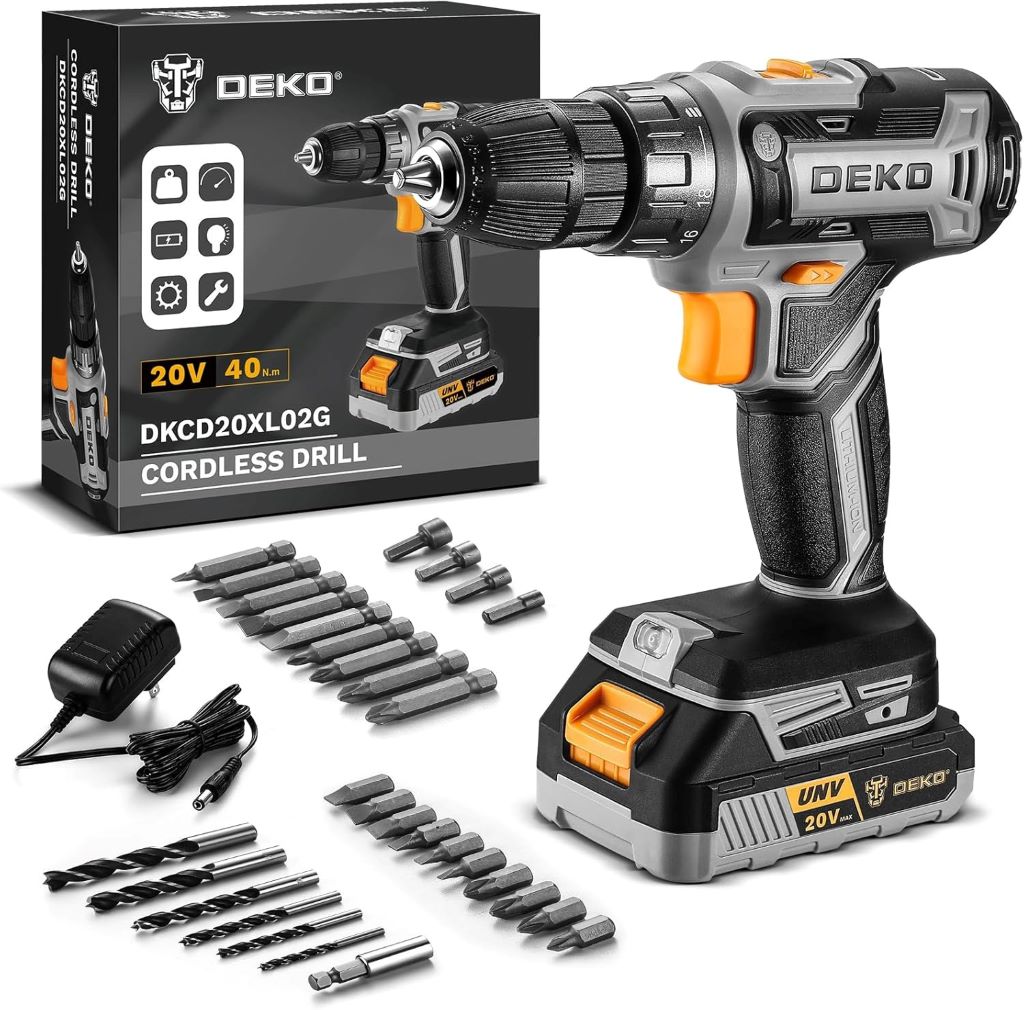
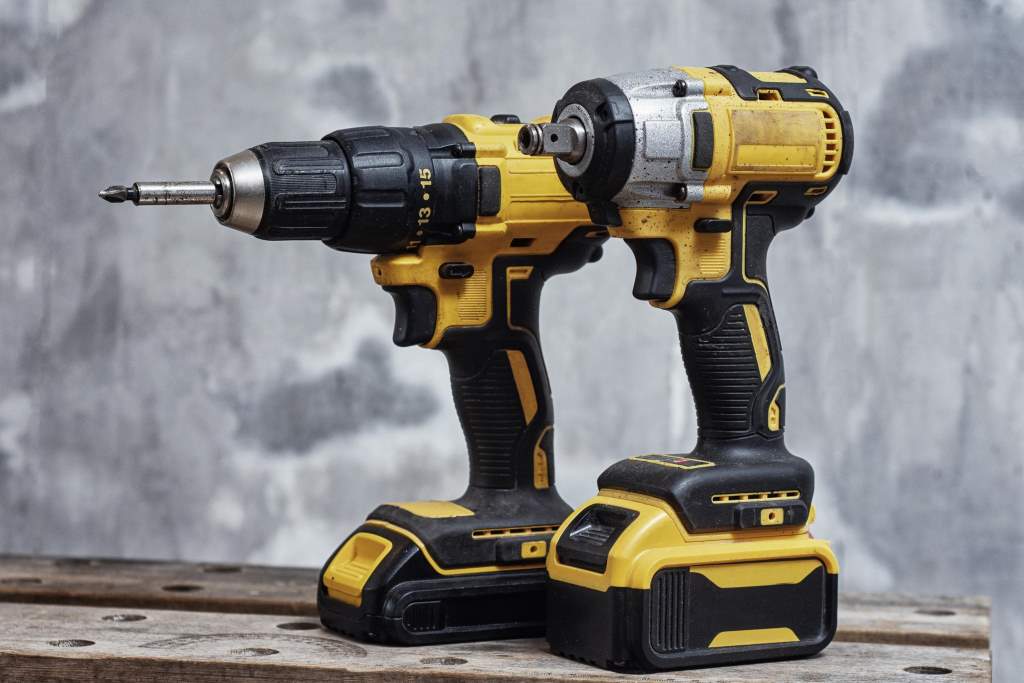
Cordless drills are essential for almost every project. They are versatile and easy to use. Impact drivers, on the other hand, provide extra torque for heavy tasks.
These tools are perfect for:
- Installing screws
- Drilling holes in wood or metal
- Assembling furniture
Saws
Cordless saws come in different types such as circular saws and reciprocating saws. They are useful for cutting wood, plastic, and even metal.
They offer:
- High mobility
- Quick setup
- Strong cutting performance
Grinders and Sanders
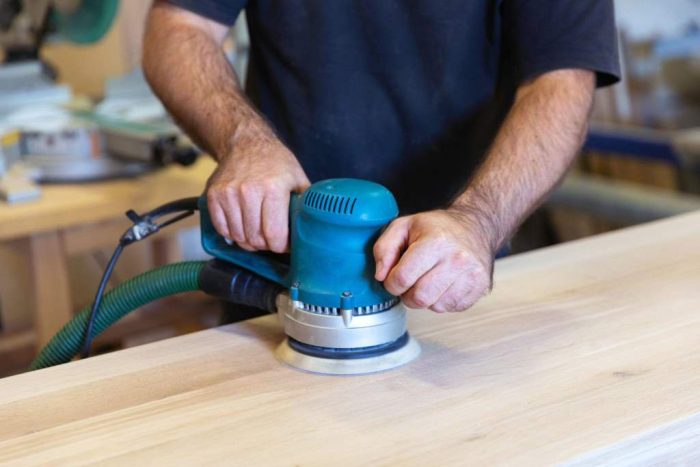
These tools help with finishing work. Grinders cut and shape materials, while sanders smooth surfaces.
They are ideal for:
- Metal work
- Wood finishing
- Surface preparation
How to Balance Performance, Battery Life, and Value
Step 1: Define Your Needs
Start by identifying what you will use the tools for. This helps you focus on the right features. A homeowner may not need the same power as a contractor.
Step 2: Compare Specifications
Look at key specs like voltage, battery capacity, and motor type. These factors directly affect performance and runtime.
Step 3: Evaluate Long Term Use
Think beyond the initial purchase. Tools that last longer and perform better provide more value over time.
Step 4: Check User Reviews and Real Feedback
Real user experiences can reveal hidden strengths and weaknesses. Look for consistent feedback across multiple sources.
Step 5: Test When Possible
If you can, try the tool before buying. This gives you a clear idea of its performance and comfort.
Common Mistakes to Avoid
Many buyers make simple mistakes that lead to poor decisions. Avoid these to get better results.
- Ignoring battery compatibility across tools
- Choosing power levels that do not match your needs
- Overlooking comfort and ergonomics
- Focusing only on brand name instead of performance
- Skipping research and reviews
By avoiding these mistakes, you can make a smarter choice.
Real World Example
Consider a homeowner who wants tools for basic repairs and DIY projects. Instead of buying high power tools, they choose mid range options with good battery life. As a result, they save money and still complete tasks efficiently.
On the other hand, a contractor selects high voltage tools with brushless motors. This ensures consistent performance on demanding jobs. Both choices are correct because they match specific needs.
Conclusion
Choosing the best cordless power tools requires a clear understanding of performance, battery life, and overall value. Focus on tools that match your needs, offer efficient batteries, and provide long term reliability. Pay attention to comfort and compatibility to improve your experience. When you make an informed decision, your tools become a powerful asset rather than a limitation. Start by identifying your needs today and build a tool kit that works as hard as you do.
FAQs
What voltage is best for cordless power tools?
The best voltage depends on your tasks. Light work can use lower voltage tools, while heavy duty jobs need higher voltage for better performance.
How long do cordless tool batteries last?
Battery life depends on usage and capacity. High amp hour batteries last longer, while proper care can extend overall lifespan.
Are brushless motors worth it?
Yes, brushless motors are more efficient and durable. They also improve battery life and reduce maintenance needs.
Can one battery work with multiple tools?
Many brands offer battery systems that support multiple tools. This feature improves convenience and reduces extra purchases.
How do I maintain cordless power tools?
Keep them clean, store batteries properly, and avoid overcharging. Regular care ensures better performance and longer life.