
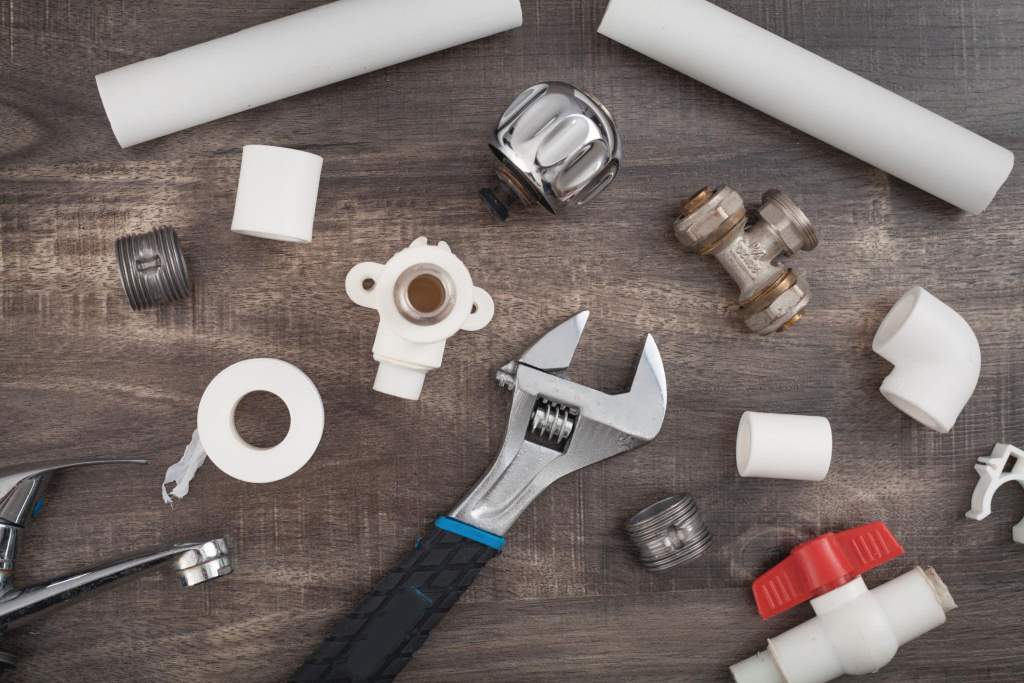
Every homeowner faces plumbing issues at some point, from a dripping faucet to a clogged drain. Choosing the right tools for plumbing can make the difference between a quick fix and a costly mistake. According to the United States Environmental Protection Agency, household leaks waste nearly 1 trillion gallons of water each year. Meanwhile, the Bureau of Labor Statistics reports steady growth in plumbing jobs, which shows how vital proper tools are for both DIY users and professionals. This guide explains how to select essential plumbing tools with confidence, so you can handle repairs efficiently and safely.
Understanding the Importance of the Right Plumbing Tools
Selecting proper plumbing tools is not just about convenience. It directly impacts efficiency, safety, and repair quality. When you use the right tool, you reduce the risk of damaging pipes or fixtures. As a result, repairs become faster and more reliable.
Many beginners often rely on general household tools. However, plumbing requires precision equipment designed for tight spaces and water systems. For instance, a standard wrench may not provide the grip needed for pipe fittings. Therefore, investing in specialized tools helps avoid frustration and repeat work.
Additionally, professional plumbers depend on durable, high performance tools for daily tasks. Choosing quality tools ensures consistent results and reduces long term maintenance issues.
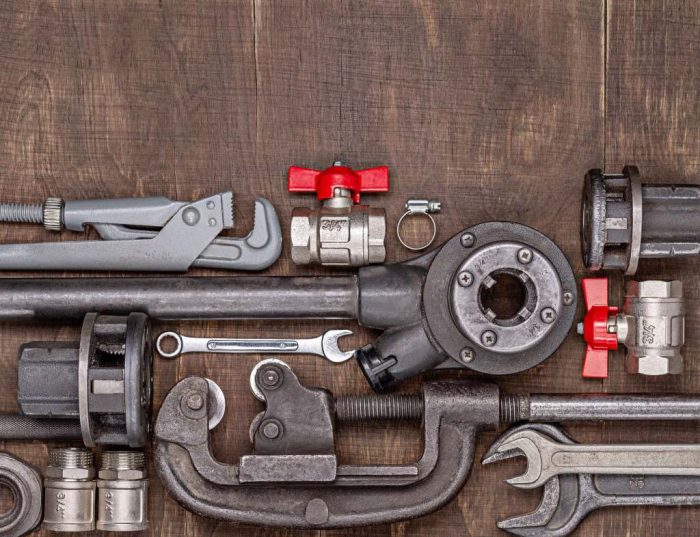
Key Factors to Consider When Selecting Plumbing Tools
1. Purpose and Type of Work
Before buying any tool, define your needs clearly. Are you fixing minor leaks at home or handling complex installations? This decision shapes your toolkit.
For home repairs, you need basic tools such as pliers and wrenches. On the other hand, professionals require advanced tools like pipe inspection cameras and press fitting systems.
2. Material and Durability
Tool quality matters greatly. Plumbing tools face moisture, pressure, and corrosion regularly. Therefore, choose tools made from hardened steel or rust resistant materials.
Durable tools last longer and maintain performance over time. Although cheaper options may seem appealing, they often fail under pressure. As a result, investing in strong materials saves effort and ensures reliability.
3. Ergonomic Design
Comfort plays a key role, especially for extended use. Tools with non slip grips and balanced weight reduce hand fatigue.
Moreover, ergonomic designs improve precision. This becomes essential when working in tight or awkward spaces. Consequently, you can complete tasks more efficiently with less strain.
4. Size and Compatibility
Plumbing systems vary in size and configuration. Therefore, tools must match pipe dimensions and fittings accurately.
Adjustable tools offer flexibility, but fixed size tools provide better control. Ideally, your toolkit should include a mix of both. This ensures you can handle different repair scenarios with ease.
Essential Plumbing Tools for Home Repairs
Adjustable Wrench
An adjustable wrench is a must have for any homeowner. It works well for tightening and loosening nuts and bolts on fixtures.
Because of its adjustable jaw, it fits multiple sizes. This makes it highly versatile for basic plumbing tasks.
Pipe Wrench
A pipe wrench provides strong grip on round pipes. Its serrated jaws prevent slipping during use.
Although it looks heavy, it delivers excellent torque. Therefore, it becomes essential for stubborn pipe connections.
Plunger
A plunger is the first line of defense against clogged drains. It creates suction that helps dislodge blockages.
Every home should have at least one plunger for sinks and toilets. It is simple, effective, and quick to use.
Basin Wrench
This tool helps reach nuts in tight spaces under sinks. Its long handle and pivoting head make it unique.
Without it, removing or installing faucets becomes difficult. Therefore, it is highly recommended for home repairs.
Pipe Cutter
A pipe cutter ensures clean and precise cuts. Unlike saws, it does not damage pipe edges.
Clean cuts are important for proper fittings. As a result, leaks are less likely to occur.
Advanced Plumbing Tools for Professional Use
Pipe Inspection Camera
Professionals often use inspection cameras to locate hidden problems. These cameras provide real time visuals inside pipes.
This tool saves time by identifying blockages quickly. Therefore, it improves accuracy and reduces unnecessary digging.
Press Fitting Tools
Press fitting tools allow fast and secure pipe connections. They eliminate the need for soldering.
Because of this, installations become safer and more efficient. Many professionals prefer them for modern plumbing systems.
Drain Auger
A drain auger is used for stubborn clogs deep inside pipes. It reaches areas where plungers cannot.
This tool is essential for serious blockages. As a result, it ensures complete cleaning of drainage systems.
Pipe Threading Machine
Threading machines create precise threads on pipes. These threads allow secure connections.
Although advanced, this tool is crucial for large scale plumbing work. It ensures durability and leak free performance.
Manual vs Power Plumbing Tools
Choosing between manual and power tools depends on your needs. Manual tools are simple, affordable, and easy to maintain. They work well for small repairs and occasional use.
However, power tools increase speed and efficiency. Professionals rely on them for large projects. For example, electric drain cleaners can clear blockages faster than manual augers.
Therefore, homeowners should focus on manual tools first. Meanwhile, professionals benefit more from power tools due to workload demands.
Must Have Plumbing Tool Kit Checklist
To simplify your selection, here is a practical checklist:
Basic Home Toolkit
- Adjustable wrench
- Pipe wrench
- Plunger
- Basin wrench
- Pipe cutter
- Teflon tape
- Screwdrivers
Professional Toolkit
- Inspection camera
- Press fitting tool
- Drain auger
- Pipe threading machine
- Leak detection equipment
- Power drill
This list ensures you are prepared for both minor and complex tasks.
Common Mistakes to Avoid When Choosing Plumbing Tools
Many people make avoidable mistakes when building their toolkit. Understanding these errors helps you make smarter decisions.
- Buying low quality tools that wear out quickly
- Ignoring tool compatibility with pipe sizes
- Choosing tools without ergonomic features
- Overlooking maintenance requirements
- Purchasing unnecessary tools without clear purpose
Avoiding these mistakes improves efficiency and saves effort in the long run.
Maintenance Tips for Plumbing Tools
Proper care extends the life of your tools. Regular maintenance keeps them in good working condition.
First, clean tools after each use to remove dirt and moisture. This prevents rust and corrosion. Next, store them in a dry place to maintain durability.
Additionally, lubricate moving parts regularly. This ensures smooth operation and reduces wear. Finally, inspect tools for damage and replace faulty parts promptly.
How to Build a Plumbing Toolkit Step by Step
Building a toolkit does not have to be overwhelming. Follow a structured approach to make smart choices.
- Start with basic tools for everyday repairs
- Identify common plumbing issues in your home
- Gradually add specialized tools as needed
- Invest in quality rather than quantity
- Organize tools for easy access
This method ensures you build a practical and efficient toolkit over time.
Conclusion
Selecting essential plumbing tools requires careful thought and planning. The right tools improve efficiency, ensure safety, and deliver better results. Whether you are a homeowner or a professional, understanding tool types and uses is key. Start with the basics, then expand your toolkit based on your needs. Focus on quality, comfort, and compatibility for long term success. Take action today by reviewing your current tools and upgrading where necessary.
FAQs
What are the most essential plumbing tools for beginners?
Beginners should start with an adjustable wrench, plunger, pipe wrench, and basin wrench. These tools handle most common household plumbing issues effectively.
How do I choose between manual and power plumbing tools?
Manual tools work best for small repairs and occasional use. Power tools are better for professionals handling frequent or complex tasks.
How often should plumbing tools be maintained?
Clean tools after every use and inspect them regularly. Proper maintenance ensures long lasting performance and prevents damage.
Are expensive plumbing tools always better?
Not always, but higher quality tools tend to last longer and perform better. Focus on durability and material rather than just cost.
Can one tool handle multiple plumbing tasks?
Some tools like adjustable wrenches offer versatility. However, specialized tools provide better precision and efficiency for specific tasks.


