A reliable camp axe or hatchet can define your outdoor experience. Whether you are splitting firewood, clearing branches, or setting up shelter, the right camp axes and hatchets save time and effort. According to the U.S. Forest Service, improper tools contribute to a significant percentage of campsite injuries each year. At the same time, a study by the National Park Service shows that efficient gear improves task completion by over 40 percent in outdoor settings. That means choosing the right cutting tool is not just about convenience. It directly impacts safety and performance. This guide explains how to select the best camp axes and hatchets with clarity and confidence.
Understanding Camp Axes vs Hatchets
Before choosing, you need to understand the difference between a camp axe and a hatchet. Although they look similar, their design and purpose vary.
What Is a Camp Axe
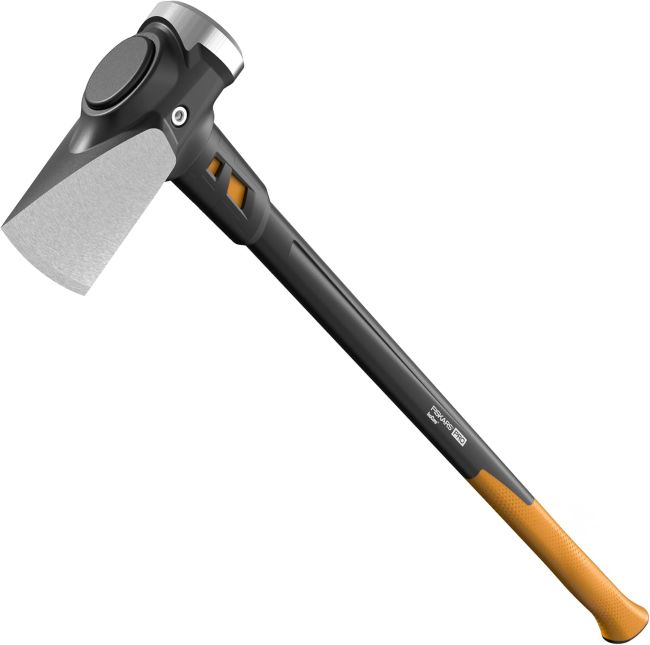
A camp axe usually has a longer handle and a heavier head. It provides more force with each swing. Therefore, it works well for chopping larger logs and splitting wood efficiently. Most outdoor enthusiasts use it for base camps where heavier tasks are common.
What Is a Hatchet
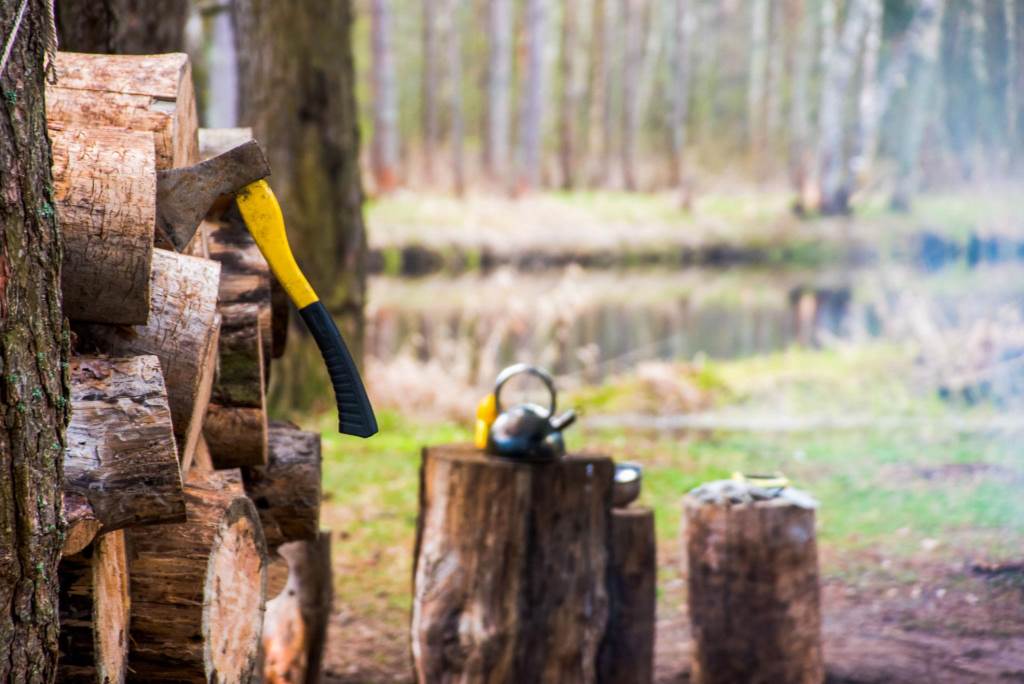
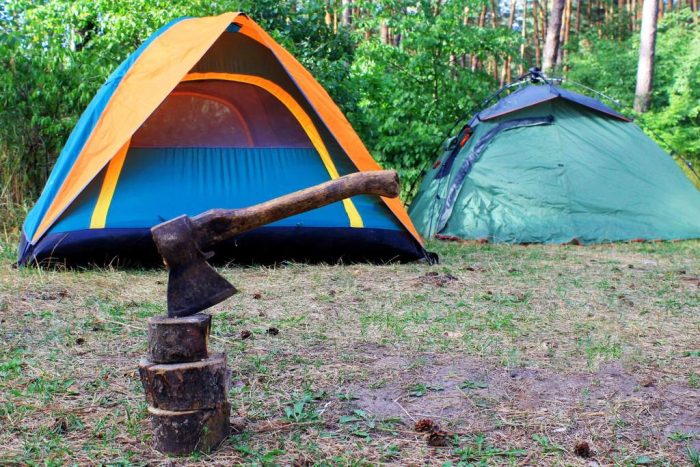
A hatchet is smaller and lighter. You can operate it with one hand. Because of its compact size, it fits well in backpacks. It handles lighter tasks like trimming branches or preparing kindling.
Key Differences
- Camp axes deliver more power and reach
- Hatchets offer portability and control
- Axes suit extended stays, while hatchets work better for quick trips
Choosing between them depends on your activity level and the type of work you expect to perform.
Key Factors to Consider When Choosing
Selecting the right tool requires more than picking a popular option. You need to evaluate several factors that directly affect usability.
1. Head Weight and Balance
The weight of the axe head determines how much force it delivers. A heavier head splits wood faster. However, it also requires more strength to handle. Balance matters equally. A well balanced axe reduces fatigue and improves accuracy.
2. Handle Length and Material
Handle length affects control and leverage. Longer handles increase power, while shorter ones improve precision. Materials also vary:
- Wood handles absorb shock well and feel natural
- Fiberglass handles offer durability and weather resistance
- Steel handles provide strength but can transmit more vibration
3. Blade Shape and Sharpness
A sharp blade ensures clean cuts and reduces effort. Blade shape matters too. Thin blades slice easily, while thicker ones split wood more effectively.
4. Portability and Weight
If you plan to hike long distances, weight becomes critical. A lightweight hatchet may be more practical than a full sized axe. Always consider how far you will carry it.
Types of Camp Axes and Hatchets
Different outdoor tasks require different tools. Knowing the types helps you match your needs precisely.
Splitting Axes
These axes feature wider heads designed to split logs. They work best for preparing firewood quickly.
Chopping Axes
Chopping axes have thinner blades. They cut across wood fibers instead of splitting them. This makes them ideal for felling small trees.
Multi Purpose Hatchets
These tools combine features of both splitting and chopping. They suit campers who want versatility without carrying multiple tools.
How to Match the Tool to Your Outdoor Activity
Choosing the best camp axe or hatchet depends heavily on your specific adventure.
For Backpacking Trips
Weight and compact size matter most. A lightweight hatchet with a protective sheath works best. It allows easy transport without adding bulk.
For Car Camping
You can carry heavier gear. A medium sized camp axe offers better performance for firewood preparation.
For Survival Situations
Versatility becomes essential. A durable hatchet that can chop, split, and hammer provides maximum utility.
For Bushcraft Activities
Precision and control matter more than raw power. A high quality hatchet with a comfortable grip helps with detailed tasks like carving and shelter building.
Safety Considerations You Should Never Ignore
Using an axe or hatchet involves risk. However, proper precautions reduce the chances of injury.
Essential Safety Tips
- Always maintain a firm grip on the handle
- Keep a safe distance from others
- Use a stable chopping surface
- Store the tool with a protective cover
Why Safety Matters
Data from the Consumer Product Safety Commission shows thousands of axe related injuries occur annually in the United States. Most incidents result from poor handling or dull blades. Therefore, investing in safety practices is as important as choosing the right tool.
Maintenance and Care for Long Term Use
A well maintained axe lasts for years and performs consistently. Regular care ensures reliability during outdoor trips.
Sharpening the Blade
A sharp blade cuts efficiently and safely. Use a sharpening stone or file regularly. Avoid letting the blade become dull, as it requires more force and increases risk.
Protecting the Handle
Wood handles benefit from occasional oiling. This prevents cracking and extends lifespan. Fiberglass handles require less maintenance but should still be inspected for damage.
Proper Storage
Store your axe in a dry place. Always use a sheath to protect the blade. This prevents rust and accidental injury.
Common Mistakes to Avoid
Even experienced campers make mistakes when choosing or using axes and hatchets. Avoiding these errors improves your overall experience.
Choosing the Wrong Size
Many beginners select tools that are too large or too small. This leads to inefficient work and fatigue.
Ignoring Balance
A poorly balanced axe feels awkward and reduces accuracy. Always test how it feels in your hand.
Neglecting Maintenance
A dull or damaged tool becomes dangerous. Regular upkeep is essential for safe operation.
Overlooking Safety Gear
Protective gloves and proper footwear reduce injury risk. Never skip basic safety equipment.
Expert Tips for Better Performance
Experienced outdoor users rely on simple techniques to maximize efficiency.
Improve Your Swing
Focus on controlled movements instead of force. A smooth swing delivers better results.
Use Proper Angles
Strike wood at an angle to split it effectively. Straight hits often waste energy.
Keep Your Tool Sharp
A sharp blade does most of the work. You should not rely on strength alone.
Conclusion
Choosing the best camp axes and hatchets for outdoor adventures requires careful thought. You need to consider weight, balance, material, and intended use. Each factor plays a role in performance and safety. The right tool improves efficiency, reduces fatigue, and enhances your outdoor experience. Now take a moment to evaluate your needs and select a tool that fits your next adventure. A smart choice today ensures better results on every trip.
FAQs
What is better for beginners, a camp axe or a hatchet
A hatchet is better for beginners because it is lighter and easier to control. It reduces fatigue and helps build confidence.
How often should I sharpen my axe
You should sharpen your axe after several uses or whenever it feels dull. Regular maintenance improves performance and safety.
Can I use a hatchet for splitting logs
Yes, but it works best for small logs. Larger logs require a full sized camp axe for efficient splitting.
What handle material is best for durability
Fiberglass handles offer excellent durability and weather resistance. However, wood handles provide better shock absorption.
Is it safe to carry an axe while hiking
Yes, as long as you use a proper sheath and secure it to your gear. Safe storage prevents accidents.