
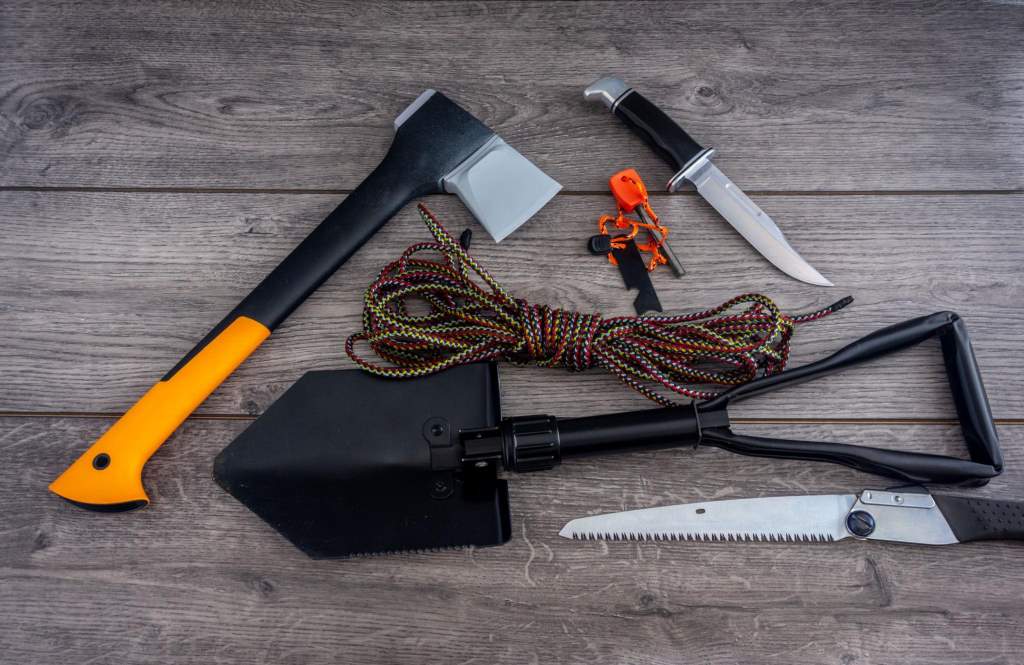
When an emergency hits, tools decide how well you cope. A strong, reliable survival axe or hatchet can help you build shelter, cut firewood, and even protect yourself. According to the U.S. Forest Service, properly prepared individuals with the right gear improve survival outcomes by over 60 percent in wilderness situations. At the same time, FEMA reports that nearly 40 percent of Americans feel unprepared for emergencies. That gap often comes down to tools and knowledge. This guide breaks down exactly how to choose the most dependable axes and hatchets, so you can stay ready when it matters most.
Why Survival Axes and Hatchets Matter in Emergencies
A survival axe is more than a cutting tool. It is a multi purpose asset that supports shelter building, fire preparation, and even rescue signaling. While knives are useful, they lack the power and leverage needed for heavy tasks. That is where axes and hatchets stand out.
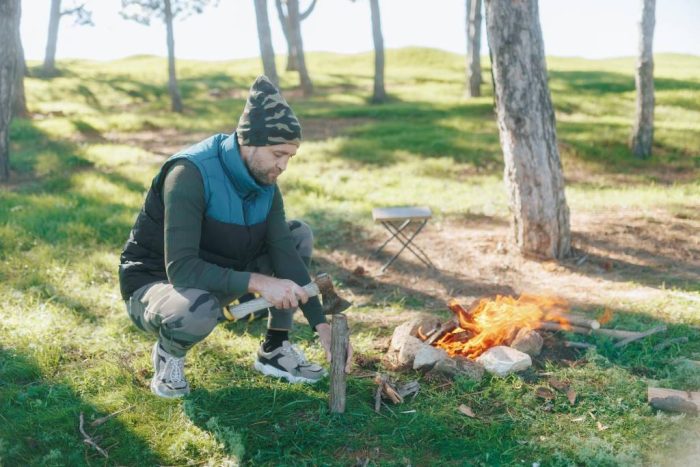
In real situations, you may need to:
- Cut branches for shelter
- Split wood for fire
- Clear paths
- Break through debris
Therefore, choosing the right tool directly affects your efficiency and safety. A poor quality axe can fail when you need it most. On the other hand, a reliable one becomes a long term survival partner.
Axe vs Hatchet: What Is the Difference?
Before choosing, you need to understand the basic difference. Although both tools look similar, they serve different purposes.
Hatchet
A hatchet is small, lightweight, and easy to carry. It works best for:
- Light chopping
- Kindling preparation
- Quick tasks around camp
Survival Axe
A survival axe is larger and more powerful. It is ideal for:
- Heavy wood splitting
- Tree cutting
- Long term survival use
In emergencies, many people prefer hatchets for portability. However, if you expect extended outdoor survival, a full sized axe offers more versatility.
Key Features to Look for in a Reliable Survival Axe
1. Blade Material and Steel Quality
The blade determines durability. High carbon steel is widely preferred because it stays sharp longer and resists wear. Stainless steel resists rust better, but it often needs more frequent sharpening.
Look for:
- High carbon steel for strength
- Proper heat treatment for durability
- Corrosion resistance for long term use
A strong blade ensures consistent performance in harsh conditions.
2. Handle Construction and Grip
The handle affects control and comfort. Poor grip increases the risk of injury.
Common materials include:
- Wood: traditional, absorbs shock well
- Fiberglass: durable and weather resistant
- Steel: strong but heavier
A textured or rubberized grip improves control, especially in wet conditions. Balance between the head and handle also plays a key role in accuracy.
Understanding Weight and Balance
Weight directly impacts usability. A heavy axe delivers more power, but it tires you faster. A lighter hatchet offers better control, yet it may struggle with thick wood.
The best option depends on your needs. For emergencies:
- Choose medium weight for balance
- Ensure even weight distribution
- Test swing comfort before buying
Proper balance reduces fatigue and increases efficiency.
Blade Design and Edge Geometry
The shape of the blade affects how it cuts. A thin edge slices easily but may chip. A thicker edge lasts longer but requires more force.
Key designs include:
- Convex edge: strong and durable
- Flat grind: sharp and efficient
- Hollow grind: very sharp but less durable
For survival use, a convex edge offers the best balance between strength and cutting ability.
Durability and Build Quality
A reliable survival axe must handle repeated impact. Weak construction leads to breakage, which can be dangerous in emergencies.
Look for:
- Full tang or solid head construction
- Secure head attachment
- Reinforced handle design
Avoid tools with loose heads or visible defects. Durability ensures long term performance under stress.
Portability and Storage
In emergencies, mobility matters. Carrying heavy gear slows you down.
Consider:
- Compact size for easy transport
- Protective sheath for safety
- Lightweight design without sacrificing strength
A good survival hatchet often fits inside a backpack, making it ideal for quick evacuation situations.
Safety Features You Should Not Ignore
Safety is critical when using sharp tools. Even experienced users face risks without proper features.
Important safety elements include:
- Non slip grip
- Blade cover or sheath
- Shock absorbing handle
Using a safe tool reduces accidents and improves confidence during use.
Maintenance and Longevity
Even the best axe needs care. Proper maintenance keeps it reliable over time.
Follow these basic steps:
- Clean after each use
- Keep the blade sharp
- Store in a dry place
- Apply oil to prevent rust
Regular care extends the life of your tool and ensures consistent performance.
Real World Example: Why Quality Matters
During wildfire evacuations in California, many survivors reported using axes to clear debris and create firebreaks. Those with durable tools managed tasks faster and safer. Meanwhile, low quality tools often failed under pressure.
This shows that investing in a reliable axe is not just about convenience. It can directly impact survival outcomes.
Choosing the Right Survival Axe for Your Needs
Not every axe fits every situation. Your choice depends on your environment and use case.
For Urban Emergencies
- Compact hatchet
- Lightweight design
- Easy storage
For Wilderness Survival
- Full sized axe
- Strong blade
- Durable handle
For All Around Use
- Medium sized tool
- Balanced weight
- Multi purpose design
Matching the tool to your scenario ensures maximum efficiency.
Common Mistakes to Avoid
Many people choose tools based on appearance rather than function. That approach often leads to poor performance.
Avoid these mistakes:
- Choosing style over durability
- Ignoring handle comfort
- Buying overly heavy tools
- Skipping maintenance
Making informed decisions improves both safety and usability.
Conclusion
A reliable survival axe or hatchet is a critical part of emergency preparedness. The right tool helps you build shelter, start fires, and handle unexpected challenges. Focus on blade quality, handle design, weight, and durability when choosing. At the same time, maintain your tool regularly to keep it ready for action.
Take time to evaluate your needs and invest in a tool you can trust. Your safety may depend on it.
FAQs
What is better for emergencies, an axe or a hatchet?
A hatchet works well for portability and quick tasks. However, an axe provides more power for heavy duty work. Choose based on your expected situation.
How sharp should a survival axe be?
It should be sharp enough to cut wood efficiently but not razor thin. A slightly thicker edge improves durability.
Can a hatchet replace a survival knife?
A hatchet handles heavy tasks better, but it cannot fully replace a knife. Both tools serve different roles in survival.
How often should I sharpen my axe?
Sharpen it after heavy use or when you notice reduced cutting performance. Regular touch ups keep it effective.
What is the safest way to store an axe?
Store it in a dry place with a protective sheath. Keep it away from moisture and direct contact with other tools.


