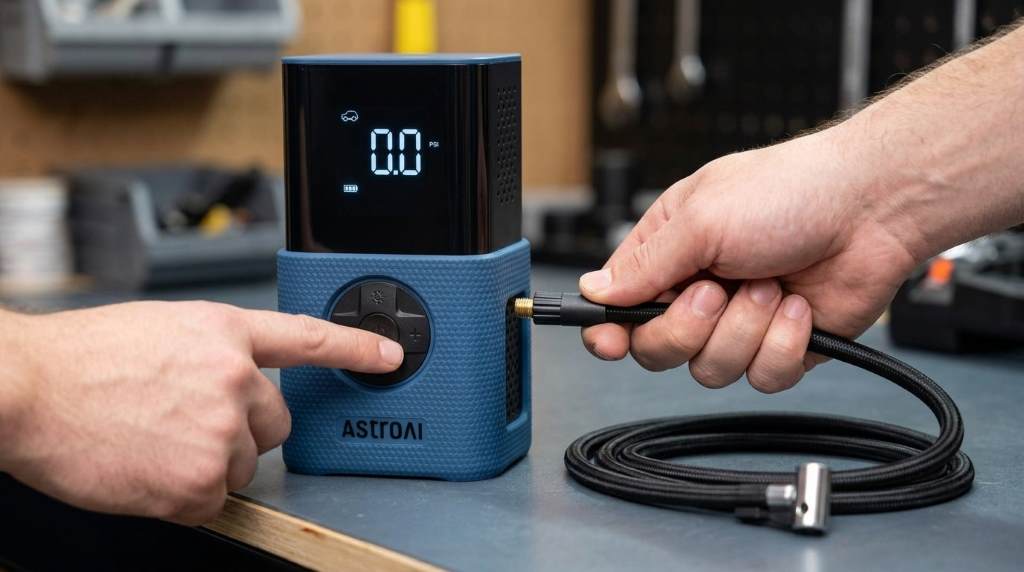
To inflate tires with the AstroAI L7S Inflator, connect the air hose securely to the tire valve, set your target PSI, and press the start button. The inflator automatically stops once it reaches the selected pressure, making the process fast, accurate, and simple.
Proper tire pressure improves vehicle safety, extends tire life, and supports better fuel efficiency. According to the U.S. Department of Energy, properly inflated tires can improve gas mileage by up to 3%, while the National Highway Traffic Safety Administration reports that underinflated tires contribute to thousands of tire related crashes annually. If you are researching the AstroAI L7S tire inflator, understanding the correct inflation process helps you get reliable results every time. This guide explains each step clearly while sharing practical tips for better performance.
Why Proper Tire Inflation Matters
Correct tire pressure improves vehicle handling and braking performance. It also helps tires wear evenly across the tread.
Meanwhile, overinflated or underinflated tires reduce traction and comfort. Maintaining the recommended PSI keeps every drive safer and smoother.
What You Need Before Starting
Gather everything before beginning the inflation process. Preparation saves time and prevents unnecessary interruptions.
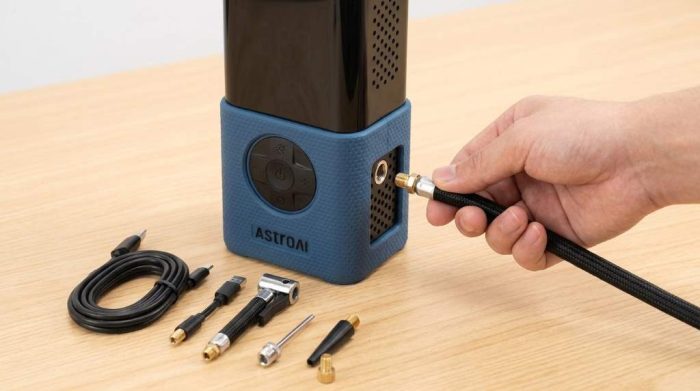
- AstroAI L7S Inflator
- Vehicle owner’s manual or tire pressure label
- Power source for the inflator
- Clean tire valve caps
Find the Recommended Tire Pressure
Always follow the manufacturer’s recommended pressure instead of the number printed on the tire sidewall. The correct value appears inside the driver’s door frame or owner’s manual.
Front and rear tires sometimes require different pressure levels. Therefore, verify every tire before starting inflation.
How to Inflate Tires With AstroAI L7S Inflator
Step 1: Park Safely
Park your vehicle on a flat surface before checking tire pressure. Turn off the engine and engage the parking brake.
Allow recently driven tires to cool whenever possible. Cold tires provide more accurate pressure readings.
Step 2: Connect the Inflator
Remove the tire valve cap and keep it nearby. Push the air chuck firmly onto the valve stem until it locks securely.
A tight connection prevents air leaks during inflation. Listen carefully for escaping air before continuing.
Step 3: Power On the Device
Connect the inflator to its appropriate power source according to the manufacturer instructions. Then switch the unit on.
The display activates and allows you to select pressure settings. Check the screen before making adjustments.
Step 4: Set Your Target PSI
Use the control buttons to enter the recommended pressure value. Double check the displayed number before starting.
Accurate settings prevent accidental overinflation. This feature also saves time during repeated use.
Step 5: Start Inflation
Press the start button after confirming the target pressure. The compressor immediately begins filling the tire.
Stay nearby while the inflator operates normally. Although automatic shutoff works reliably, occasional monitoring remains a smart habit.
Step 6: Verify the Pressure
After automatic shutoff, remove the air hose carefully. Read the displayed pressure or confirm it with a separate tire gauge.
Replace the valve cap securely after finishing. Repeat these steps for every remaining tire.
Helpful Tips for Better Results
Small habits improve accuracy and extend the inflator’s service life. Consistent maintenance also reduces unnecessary wear.
- Check tire pressure before long trips.
- Inflate tires while they remain cold.
- Inspect the air hose for damage regularly.
- Store the inflator in a clean, dry location.
- Keep power cables free from sharp edges.
Common Mistakes to Avoid
Many inflation problems result from simple errors rather than equipment failure. Avoiding these mistakes improves overall performance.
- Using the tire sidewall pressure instead of the vehicle recommendation.
- Leaving the air chuck loosely connected.
- Ignoring slow tire leaks.
- Checking pressure immediately after long drives.
- Forgetting to reinstall valve caps.
When Should You Check Tire Pressure?
Most experts recommend checking tire pressure at least once every month. Additionally, inspect pressure before long highway trips.
Seasonal temperature changes also affect tire pressure noticeably. Therefore, perform extra checks during major weather shifts.
Can the AstroAI L7S Inflator Handle Other Items?
The inflator can often inflate bicycle tires, motorcycle tires, sports equipment, and other compatible inflatable items. Always use the correct adapter for each application.
Review the manufacturer’s specifications before inflating specialty equipment. Following those guidelines protects both the inflator and the item.
Basic Maintenance Tips
Regular care keeps the inflator operating efficiently for years. Simple inspections prevent unexpected performance issues.
- Clean dust from the housing after use.
- Inspect power cables before every operation.
- Avoid exposing the unit to excessive moisture.
- Allow cooling periods after extended operation.
- Store accessories together for easy access.
Conclusion
Learning how to inflate tires with AstroAI L7S Inflator requires only a few simple steps. Following the correct pressure recommendations helps improve safety, tire longevity, and driving performance.
Check your tire pressure regularly and use the inflator whenever adjustments become necessary. Consistent maintenance protects your tires and helps every trip start with confidence.
Frequently Asked Questions
How long does it take to inflate one tire?
Most passenger vehicle tires reach the target pressure within several minutes.
Can I leave the inflator unattended?
No, you should remain nearby even though the automatic shutoff feature provides added safety.
Should I check tire pressure when tires are hot?
No, checking cold tires provides the most accurate pressure reading.
How often should I inspect tire pressure?
You should check tire pressure at least once each month and before long trips.
Does the automatic shutoff prevent overinflation?
Yes, it stops inflation after reaching the selected pressure when used correctly.