
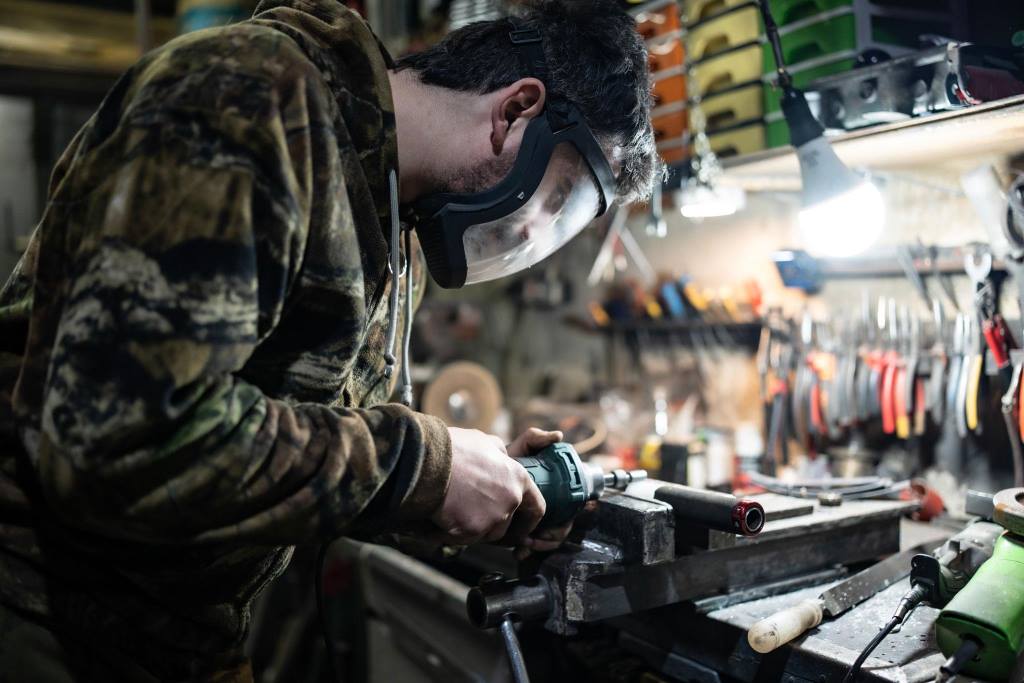
Every man who handles tasks at home or work knows that the right tools for man make all the difference. The wrong choice wastes time, effort, and sometimes causes damage. According to the U.S. Bureau of Labor Statistics, over 20 percent of workplace injuries involve improper tools or misuse. Meanwhile, a report from the National Safety Council highlights that proper equipment can reduce accident risks by up to 30 percent. So, selecting the right tools is not just about convenience. It is about safety, efficiency, and long term value. This guide explains how to choose smartly and build a reliable toolkit that works in real life situations.
Why Choosing the Right Tools Matters
Selecting tools is not a random decision. It directly affects how well you complete tasks. The right equipment improves accuracy, reduces fatigue, and saves time. On the other hand, poor quality tools often break or fail under pressure. That leads to frustration and extra cost later.
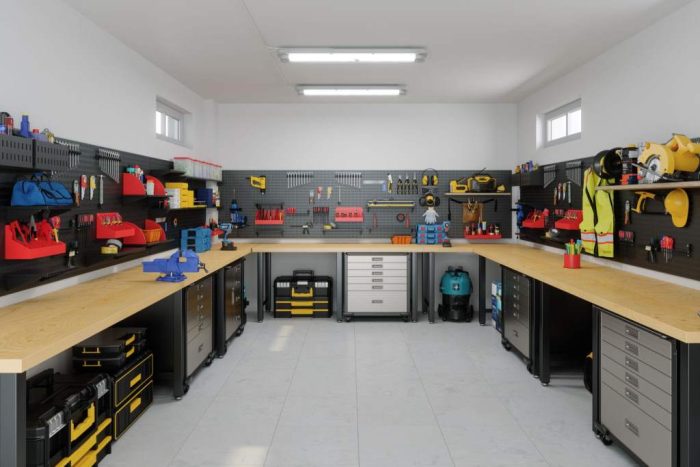
Moreover, using proper tools protects your body. For example, ergonomic handles reduce strain on your hands and wrists. In addition, well designed tools give better control and lower the risk of slips or injuries. Therefore, investing time in choosing wisely pays off in both performance and safety.
Understanding Your Needs First
Before buying anything, define what you actually need. Many people buy tools they never use. That leads to clutter and wasted money. Instead, focus on your daily tasks and projects.
Ask Yourself These Questions
- What type of work do I do regularly
- Do I need tools for home repair, construction, or professional tasks
- How often will I use these tools
- Do I need portable or heavy duty equipment
For example, a homeowner may need basic tools like screwdrivers and a drill. Meanwhile, someone in construction requires more advanced and durable equipment. So, clarity helps you avoid unnecessary purchases and focus on essentials.
Essential Must Have Tools for Every Man
A well rounded toolkit starts with core items. These tools cover most home and basic work needs.
Basic Hand Tools
These are the foundation of any toolkit. They are simple yet extremely useful.
- Hammer for driving nails and minor demolition
- Screwdriver set with multiple heads
- Adjustable wrench for different bolt sizes
- Pliers for gripping and cutting
- Tape measure for accurate sizing
Each of these tools supports everyday tasks. For example, a tape measure ensures precise results, while pliers help with gripping small objects securely.
Power Tools for Efficiency
Power tools save time and effort. They are essential for larger or repeated tasks.
- Cordless drill for drilling and fastening
- Circular saw for cutting wood and materials
- Jigsaw for detailed cuts
- Angle grinder for cutting and polishing
These tools increase productivity significantly. For instance, a cordless drill completes tasks in minutes that would take hours manually. Therefore, adding power tools boosts efficiency in both home and work environments.
How to Evaluate Tool Quality
Not all tools are created equal. Quality determines durability, performance, and safety.
Material Matters
High quality tools use strong materials like hardened steel. These materials resist wear and last longer. Cheap tools often bend or break under pressure.
Build and Design
Check the construction carefully. A solid build means fewer weak points. In addition, good design improves usability. For example, textured grips provide better control.
Brand Reputation
Trusted brands often maintain consistent quality. While lesser known brands may offer lower cost options, they sometimes compromise on durability. Therefore, research reviews and user feedback before deciding.
Ergonomics and Comfort
Comfort plays a key role in tool selection. If a tool feels awkward, it affects your performance.
Why Ergonomics Matters
Tools with ergonomic designs reduce strain on muscles and joints. This is especially important for long tasks. Comfortable tools help you work longer without fatigue.
Features to Look For
- Non slip handles
- Balanced weight
- Easy grip design
- Reduced vibration in power tools
These features improve control and safety. As a result, you can work more efficiently with less effort.
Safety Considerations When Choosing Tools
Safety should never be ignored. The right tools protect you from injuries.
Built In Safety Features
Modern tools include safety mechanisms such as blade guards and automatic shut off systems. These features reduce risks during use.
Proper Size and Fit
Using the correct size tool prevents accidents. For example, a wrench that does not fit properly can slip and cause injury.
Protective Gear
Always pair tools with safety equipment like gloves and goggles. Even the best tools cannot fully eliminate risks without proper precautions.
Corded vs Cordless Tools
Choosing between corded and cordless tools depends on your needs.
Corded Tools
- Provide constant power
- Suitable for heavy duty tasks
- No need to recharge
However, they limit mobility due to cords.
Cordless Tools
- Offer flexibility and portability
- Ideal for quick tasks and outdoor work
- Easy to carry
Yet, they rely on battery life. So, consider your usage before deciding.
Storage and Organization Tips
Proper storage extends the life of your tools. It also keeps your workspace clean and efficient.
Smart Storage Ideas
- Use toolboxes for portability
- Install wall mounted racks
- Label compartments for easy access
- Keep frequently used tools within reach
Organized tools save time. Instead of searching, you can focus on completing tasks quickly.
Budget vs Value
Many people focus only on price. However, value matters more than cost.
Think Long Term
Cheap tools may seem attractive at first. Yet, they often wear out quickly. Replacing them repeatedly costs more over time.
Balance Cost and Quality
Choose tools that offer durability and performance. Even if they cost more initially, they provide better long term value.
Common Mistakes to Avoid
Avoiding common mistakes helps you make smarter decisions.
Frequent Errors
- Buying tools without research
- Choosing the cheapest option
- Ignoring comfort and ergonomics
- Purchasing tools you rarely use
Each of these mistakes leads to poor results. Therefore, take time to evaluate your choices carefully.
Conclusion
Selecting the right tools for men is about understanding needs, focusing on quality, and prioritizing safety. A well chosen toolkit improves efficiency, reduces risks, and saves time in the long run. Start with essential tools, then expand based on your tasks. Always choose comfort, durability, and reliability over short term savings. Take action today by reviewing your current tools and upgrading where needed. The right equipment will make every job easier and more effective.
FAQs
What are the most essential tools every man should own
Every man should have a hammer, screwdriver set, pliers, adjustable wrench, and a cordless drill. These tools handle most home and basic work tasks efficiently.
How do I know if a tool is high quality
Check the material, build quality, and user reviews. Durable materials like steel and solid construction indicate better quality.
Are expensive tools always better
Not always. However, higher quality tools often provide better durability and performance. Focus on value rather than price alone.
Should I choose corded or cordless tools
Corded tools suit heavy duty tasks, while cordless tools offer portability and convenience. Choose based on your usage needs.
How can I maintain my tools properly
Clean tools after use, store them in a dry place, and check for wear regularly. Proper maintenance extends their lifespan.


