
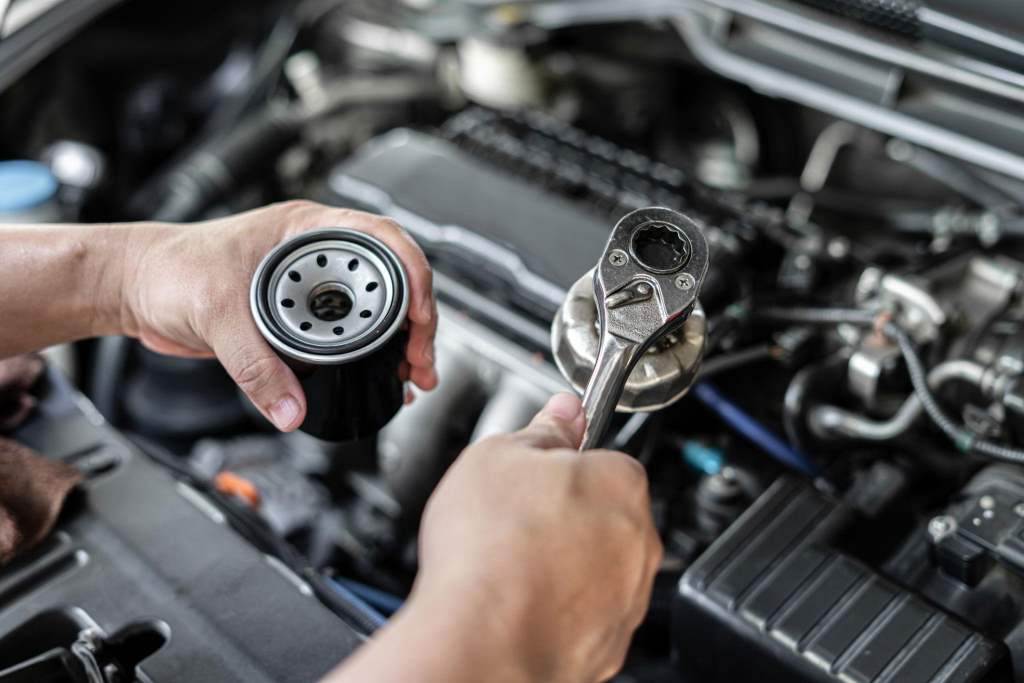
Changing your engine oil sounds simple until the filter refuses to budge. Many drivers face this exact problem. In fact, according to the U.S. Department of Energy, regular oil changes can improve fuel efficiency by up to 2 percent. Yet, improper removal of filters often leads to delays or damage. At the same time, studies from automotive maintenance programs show that overtightened filters are one of the most common DIY mistakes. This guide explains how to safely use an oil filter wrench to remove stubborn filters without harming your engine or yourself. You will learn practical techniques that work in real conditions.
What Is an Oil Filter Wrench and Why You Need One
An oil filter wrench is a specialized tool designed to grip and loosen oil filters that are too tight to remove by hand. While some filters come off easily, others become stuck due to heat, pressure, or improper installation.
Unlike basic hand removal, a wrench provides better leverage and grip. This makes it easier to turn the filter without slipping. In addition, it reduces strain on your hands and wrists, especially when working in tight engine spaces.
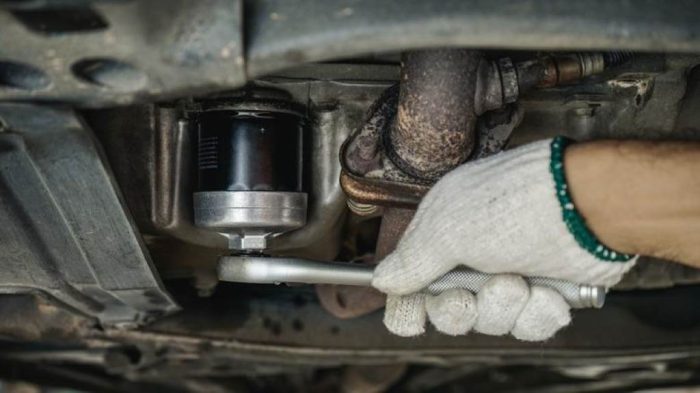
There are several types available, including strap wrenches, cap wrenches, and chain wrenches. Each serves a specific purpose depending on your vehicle and filter size. Choosing the right one ensures both efficiency and safety.
Common Reasons Oil Filters Get Stuck
Understanding why filters get stuck helps you avoid the issue in the future. Several factors contribute to this problem.
Overtightening During Installation
Many people tighten filters too much. While it may seem secure, excessive force causes the gasket to compress too tightly. As a result, removal becomes difficult later.
Heat and Pressure Build Up
Engines operate at high temperatures. Over time, heat causes the metal parts to expand and contract. This can make the filter seal tighter than intended.
Lack of Lubrication on the Gasket
A dry gasket creates friction. Without a light coat of oil during installation, the seal sticks firmly to the engine housing.
Dirt and Debris
Road grime and oil residue can build up around the filter. This adds resistance and makes it harder to grip and turn.
Types of Oil Filter Wrenches and How to Choose
Not all oil filter wrenches work the same way. Selecting the right type depends on your vehicle and working space.
Strap Wrench
A strap wrench uses a flexible band that wraps around the filter. It tightens as you turn, providing a firm grip. This type works well for larger filters and tight spaces.
Cap Wrench
A cap wrench fits directly over the end of the filter like a socket. It connects to a ratchet, offering precise control. This option is ideal for modern vehicles with limited clearance.
Chain Wrench
A chain wrench uses a metal chain for grip. It delivers strong torque, making it suitable for extremely stuck filters. However, it may damage the filter if used aggressively.
Pliers Style Wrench
This tool looks like large pliers with curved jaws. It is easy to use but requires enough space to open and close properly.
Step by Step Guide to Removing a Stubborn Oil Filter Safely
Step 1 Prepare Your Workspace
Before starting, ensure the engine is cool. Hot engines can cause burns. Park your car on a flat surface and secure it with wheel chocks. Gather all tools, including gloves and a drain pan.
Step 2 Position the Drain Pan
Place a drain pan under the filter. Even if you already drained the oil, some residue will spill out during removal.
Step 3 Choose the Right Wrench
Select a wrench that fits your filter size snugly. A loose fit will slip and make removal harder.
Step 4 Attach the Wrench Properly
Secure the wrench around the filter. Make sure it grips evenly. Misalignment can cause slipping or damage.
Step 5 Apply Steady Pressure
Turn the wrench counterclockwise. Use slow and steady force instead of sudden jerks. This reduces the risk of breaking the filter housing.
Step 6 Loosen by Hand
Once the filter starts moving, remove the wrench. Then unscrew the filter by hand to avoid over loosening.
Step 7 Clean the Mounting Surface
After removal, wipe the surface clean. Check for any leftover gasket material, as it can cause leaks later.
Safety Tips You Should Never Ignore
Safety should always come first when working on your vehicle. Even a simple task like removing an oil filter can lead to injuries if done carelessly.
- Always wear gloves to protect your hands from oil and sharp edges
- Let the engine cool before starting work
- Avoid excessive force that may damage engine components
- Use the correct tool size for your filter
- Keep your workspace clean to prevent slipping hazards
Following these tips ensures a smooth and safe process every time.
Troubleshooting Extremely Stuck Oil Filters
Sometimes, even a wrench is not enough. In such cases, you need advanced techniques.
Try a Different Wrench Type
Switching to a chain wrench can provide more grip. This often works when other tools fail.
Use Penetrating Oil
Apply penetrating oil around the filter base. Let it sit for a few minutes to loosen the seal.
Tap Gently
Lightly tapping the filter with a rubber mallet can help break the seal. Avoid using excessive force.
Last Resort Method
If the filter is severely stuck, you can puncture it with a screwdriver for extra leverage. However, this method can get messy and should be used carefully.
Mistakes to Avoid When Using an Oil Filter Wrench
Even experienced DIYers make mistakes. Avoid these common errors to prevent damage.
- Using the wrong wrench type
- Applying too much force too quickly
- Forgetting to lubricate the new filter gasket
- Installing the new filter too tightly
- Ignoring signs of a double gasket
Each mistake can lead to leaks or costly repairs.
Benefits of Proper Oil Filter Removal
Using the correct technique offers several advantages.
First, it protects your engine components from damage. Second, it saves time during maintenance. Third, it ensures a proper seal when installing a new filter. Additionally, it improves overall vehicle performance by maintaining clean oil flow.
Conclusion
Removing a stubborn oil filter does not have to be frustrating. With the right oil filter wrench and proper technique, you can handle the task safely and efficiently. Focus on using steady pressure, choosing the correct tool, and following safety steps. These small details make a big difference. Start applying these methods during your next oil change and experience a smoother, stress free process.
FAQs
How tight should an oil filter be installed
An oil filter should be hand tight plus a slight turn. Over tightening makes future removal difficult and may damage the gasket.
Can I remove an oil filter without a wrench
Yes, but only if it is not stuck. Most stubborn filters require a wrench for proper removal.
What is the best type of oil filter wrench
Cap wrenches offer precise control, while strap wrenches provide versatility. The best choice depends on your vehicle.
Is it safe to puncture an oil filter for removal
It is safe as a last resort, but it can cause oil spills and damage. Use this method carefully.
Why does my oil filter keep getting stuck
This usually happens by overtightening or lack of gasket lubrication during installation.


