Maintaining a neat lawn often comes down to the details. While lawn mowers handle large areas, they cannot easily reach fence lines, sidewalks, garden beds, and tight corners. That is where a cordless string trimmer becomes an essential tool. According to the United States Environmental Protection Agency, battery powered outdoor equipment significantly reduces air pollution compared to gas powered alternatives.
If you recently purchased a cordless trimmer or plan to buy one, learning how to use it correctly can improve safety, extend battery life, and deliver better lawn care results. Many homeowners researching the best Cordless String Trimmer options also want practical guidance on proper operation. This guide explains everything you need to know, from setup and safety preparation to advanced trimming techniques and maintenance tips.
What Is a Cordless String Trimmer?
A cordless string trimmer is a battery powered lawn maintenance tool designed to cut grass and weeds in areas where lawn mowers cannot reach. Instead of using metal blades, the tool spins a durable nylon line at high speed to cut vegetation.
Modern cordless trimmers have become increasingly popular because they offer several advantages:
- No fuel mixing requirements
- Less noise during operation
- Reduced maintenance needs
- Greater mobility
- Lower environmental impact
- Easy startup with push button controls
These features make cordless models especially attractive for residential lawn care.
Parts of a Cordless String Trimmer You Should Know
Before operating the equipment, familiarize yourself with its major components.
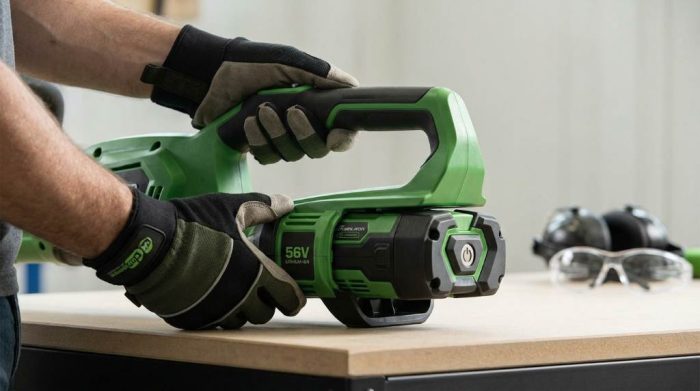
Battery Pack
The battery powers the motor and determines the operating time. Most modern units use lithium ion batteries.
Trigger Switch
The trigger activates the motor and controls the spinning speed.
Safety Lock
This feature prevents accidental startup.
Trimmer Head
The trimmer head houses the nylon cutting line.
Guard Shield
The shield protects users from debris and flying grass.
Shaft and Handle
These components provide balance and control during operation.
Safety Preparation Before Using a Cordless String Trimmer
Safety should always come first when operating outdoor power equipment. Although cordless trimmers are generally safer than gas powered models, they can still cause injuries if used improperly.
Wear Proper Protective Equipment
Before starting, wear:
- Safety glasses
- Long pants
- Closed toe shoes
- Work gloves
- Hearing protection if necessary
Inspect the Work Area
Walk through the area before trimming. Remove rocks, sticks, toys, wires, and other objects that could become dangerous projectiles.
Check the Equipment
Always inspect your trimmer before use. Confirm that:
- The battery is fully charged
- The cutting line is properly installed
- The safety guard is secure
- The handles are tight
- The trigger functions correctly
How to Use a Cordless String Trimmer Step by Step
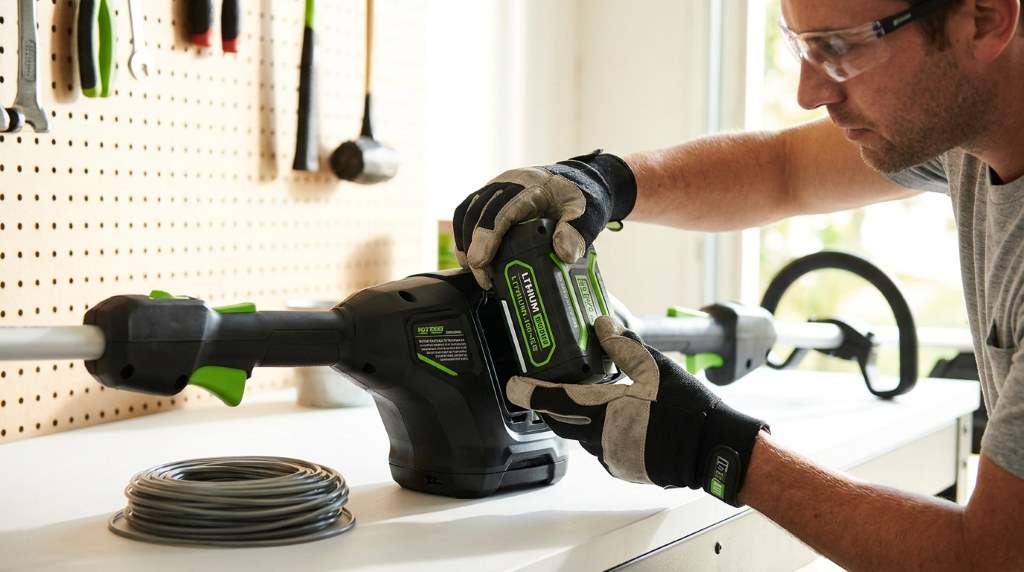
Step 1: Charge and Install the Battery
Begin by fully charging the battery according to the manufacturer’s instructions. Once charged, insert the battery firmly until it locks into place.
A fully charged battery provides more consistent cutting performance and reduces interruptions during yard work.
Step 2: Adjust the Handle and Shaft
Many cordless trimmers allow adjustments for height and comfort. Position the shaft so the trimmer head remains parallel to the ground when held naturally.
Proper adjustment reduces fatigue and improves control.
Step 3: Assume the Correct Stance
Stand with your feet shoulder width apart. Hold the trimmer with both hands while maintaining good balance.
Keep the trimmer slightly away from your body throughout operation.
Step 4: Start the Trimmer
Press the safety lock and squeeze the trigger. Allow the trimmer to reach full speed before contacting grass or weeds.
Starting slowly against vegetation can strain the motor unnecessarily.
Step 5: Use a Side to Side Motion
Move the trimmer in smooth sweeping motions from side to side. Allow the tip of the cutting line to perform most of the cutting.
Avoid forcing the trimmer through thick vegetation.
Best Techniques for Effective Trimming
Professional looking lawn maintenance depends heavily on technique.
Use the Tip of the Line
The outer end of the nylon line rotates fastest and cuts most efficiently. Using the entire line length reduces performance and increases wear.
Work Gradually
When cutting tall weeds, remove vegetation in layers rather than attempting to cut everything at once.
Maintain a Consistent Height
Keep the trimmer head level with the ground. Consistency creates a cleaner and more professional appearance.
Avoid Scalping
Lowering the trimmer too far can damage grass roots and create unattractive bare spots.
How to Edge with a Cordless String Trimmer
Many cordless string trimmers also function as edging tools.
Rotate the Trimmer
If your model supports edging, rotate the head or shaft according to the manufacturer’s instructions.
Follow Hard Surfaces
Use sidewalks, driveways, and pathways as visual guides.
Move Slowly
Slow movement produces sharper and cleaner edges while minimizing accidental damage.
Common Mistakes to Avoid
Many beginners unintentionally reduce efficiency by making several common errors.
Using Excessive Force
The spinning line should do the cutting. Applying excessive pressure increases battery consumption and motor stress.
Ignoring Battery Management
Allowing batteries to fully discharge repeatedly may shorten their lifespan.
Trimming Wet Grass
Wet vegetation reduces efficiency and creates unnecessary buildup around the trimmer head.
Neglecting Maintenance
Failing to clean the trimmer regularly can reduce performance over time.
How to Extend Battery Life During Operation
Battery performance significantly affects overall productivity.
Avoid Maximum Speed When Unnecessary
Use lower power settings for light trimming tasks.
Store Batteries Properly
Keep batteries in cool, dry environments away from direct sunlight.
Charge Before Complete Depletion
Most lithium ion batteries perform better when recharged before reaching extremely low charge levels.
Keep Battery Contacts Clean
Dirty electrical contacts can reduce efficiency and charging performance.
Maintaining Your Cordless String Trimmer
Routine maintenance improves reliability and extends tool life.
Clean After Every Use
Remove grass clippings, dirt, and debris from the trimmer head and guard.
Inspect the Cutting Line
Replace worn or damaged line before the next use.
Check Fasteners
Periodically tighten screws, handles, and guards.
Store Properly
Store the trimmer indoors in a dry location to prevent moisture damage.
When Should You Replace the String?
The cutting line should be replaced when:
- The line repeatedly breaks
- Cutting performance decreases
- The line becomes brittle
- The spool no longer feeds correctly
Regular replacement ensures smooth and efficient operation.
Can a Cordless String Trimmer Handle Heavy Weeds?
Modern cordless trimmers can handle many types of weeds effectively. However, extremely thick brush and woody vegetation may require specialized equipment.
For best results:
- Use high power settings when available
- Trim in stages
- Keep the cutting line fresh
- Avoid forcing the motor
Conclusion
Learning how to use a cordless string trimmer properly can transform your lawn care routine. By understanding safety procedures, mastering trimming techniques, maintaining the equipment, and managing battery performance, you can achieve cleaner results with less effort.
Whether you are trimming around flower beds, edging sidewalks, or maintaining large areas of grass, proper technique makes a significant difference. Start slowly, prioritize safety, and practice regularly to develop professional level trimming skills.
The next time you head outside for yard maintenance, apply these techniques and experience how much easier and more effective cordless trimming can become.
Frequently Asked Questions
How long does a cordless string trimmer battery usually last?
Most batteries provide between 20 and 60 minutes of continuous operation depending on usage conditions.
Can I use a cordless string trimmer on wet grass?
No, dry grass provides safer operation and better cutting performance.
How often should I replace the trimmer line?
Replace the line whenever it becomes worn, brittle, or stops feeding properly.
Should the trimmer touch the ground while operating?
No, keeping the head slightly above the ground prevents unnecessary wear and lawn damage.
Can beginners safely use cordless string trimmers?
Yes, beginners can safely operate them after learning proper handling and safety procedures.