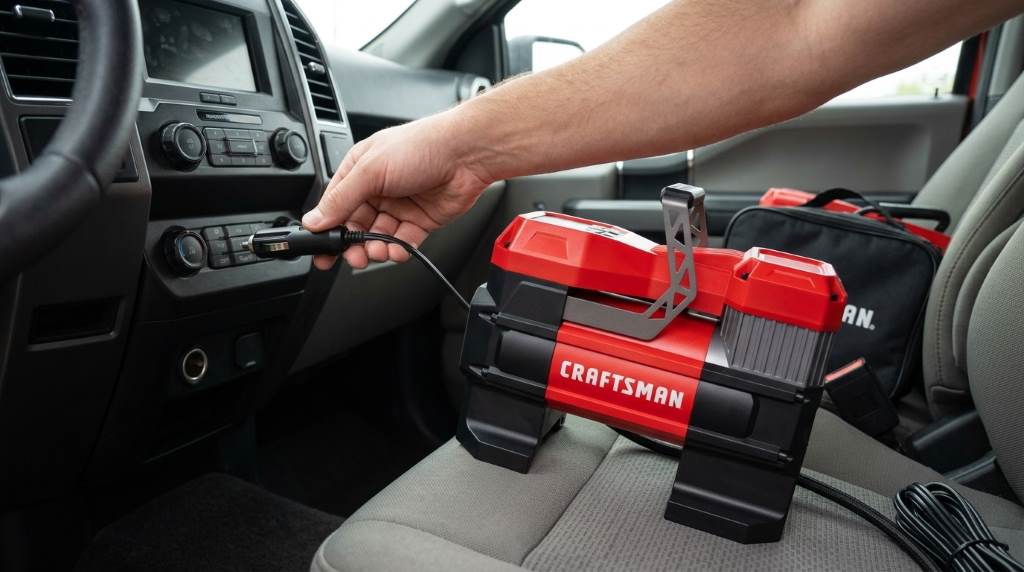
To use a Craftsman 150 PSI Air Compressor, place it on a flat surface, connect the correct air hose, set the required pressure, and operate it within the recommended PSI range. Always inspect the compressor before use and release stored pressure after every job for safe and reliable performance.
Air compressors power millions of tools across homes and workshops every year. Industry reports estimate that proper maintenance can extend compressor service life by more than 30%. Learning how to use a Craftsman 150 PSI air compressor correctly improves safety while delivering better tool performance. This guide explains every important step using simple instructions that help beginners and experienced users achieve reliable results.
Understand the Craftsman 150 PSI Air Compressor
The Craftsman 150 PSI Air Compressor stores compressed air for powering pneumatic tools. Most models include a pressure gauge, regulator, safety valve, and quick connect coupler. These components work together to deliver stable airflow during different tasks.
Many users select this compressor because it supports common workshop projects. It handles tire inflation, finish nailing, stapling, cleaning, and light painting jobs. Proper operation keeps performance consistent throughout every project.
Gather Everything Before Starting
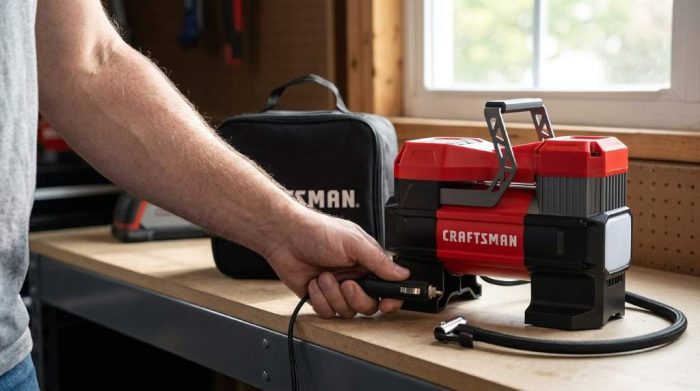
Preparing equipment first prevents unnecessary interruptions during work. Every connection should remain clean and secure before powering the compressor. Organized preparation also improves overall safety.
- Craftsman 150 PSI Air Compressor
- Compatible air hose
- Correct pneumatic tool
- Safety glasses
- Hearing protection
- Extension cord if recommended
- Tool specific fittings
Inspect the Compressor Before Every Use
Check the power cord for cuts, loose plugs, or visible damage before connecting electricity. Inspect the air hose for cracks because damaged hoses may leak pressure. Careful inspection reduces unexpected failures during operation.
Next, examine the pressure gauges for clear readings before starting the motor. Verify that the drain valve stays closed before filling the tank. These simple checks only require a few minutes.
Place the Compressor Correctly
Position the compressor on a clean and level surface before switching it on. Stable placement reduces vibration while supporting smooth airflow. Avoid placing the unit near excessive moisture or loose debris.
Leave enough open space around the compressor for proper ventilation during operation. Good airflow helps prevent overheating while maintaining steady performance. Never block cooling vents with nearby objects.
Connect the Air Hose Properly
Push the quick connect fitting firmly until it locks into place. Gently pull the hose afterward to confirm a secure connection. Loose fittings often create unwanted air leaks.
Attach the opposite hose end to your selected pneumatic tool carefully. Confirm every fitting remains tight before adding pressure. Proper connections improve both efficiency and safety.
Fill the Air Tank Safely
Plug the compressor into a suitable electrical outlet before switching the power on. The motor automatically fills the tank until reaching the preset maximum pressure. Listen for unusual sounds during this process.
Once the tank reaches full pressure, the motor automatically stops running. This normal operation protects internal components from unnecessary stress. Never attempt to bypass the pressure switch.
Adjust the Output Pressure
Locate the Pressure Regulator
The regulator controls air pressure flowing toward connected tools during operation. Turn the adjustment knob slowly while watching the outlet pressure gauge. Small adjustments provide better accuracy.
Match the Tool Requirements
Every pneumatic tool includes a recommended operating pressure in its manual. Set the regulator slightly below the maximum approved pressure whenever possible. Correct settings improve tool performance and durability.
Operate Pneumatic Tools Correctly
Hold each tool firmly before pressing its trigger during operation. Allow steady airflow instead of rapid repeated bursts whenever possible. Controlled operation improves accuracy and reduces unnecessary compressor cycling.
Monitor the tank pressure while completing larger projects with demanding air tools. The compressor automatically restarts whenever tank pressure falls below the preset level. This cycling remains completely normal.
Monitor Performance During Operation
Watch the pressure gauges regularly throughout longer projects for consistent airflow. Unexpected pressure drops may indicate loose fittings or hidden leaks. Address problems immediately before continuing work.
Meanwhile, listen carefully for unusual vibrations or excessive motor noise during operation. Early detection often prevents expensive repairs later. Consistent monitoring protects both equipment and connected tools.
Shut Down the Compressor Properly
Switch the power off immediately after finishing your project. Disconnect the electrical plug before removing connected air hoses. Safe shutdown protects both users and equipment.
Pull the safety valve briefly to release remaining tank pressure carefully. Open the drain valve afterward to remove moisture from inside the tank. Moisture removal helps prevent internal corrosion.
Maintain the Compressor for Longer Service
Regular maintenance keeps performance reliable while reducing unexpected equipment failures. Follow the manufacturer’s maintenance schedule whenever possible. Clean equipment also performs more efficiently.
Maintenance Checklist
- Drain tank moisture after every use.
- Inspect hoses before every project.
- Clean cooling vents regularly.
- Tighten loose fittings immediately.
- Replace damaged seals promptly.
- Store indoors after every job.
Common Mistakes to Avoid
Many beginners accidentally set output pressure much higher than necessary. Excessive pressure increases tool wear while wasting compressed air. Always follow the recommended tool specifications.
Some users skip draining tank moisture after completing projects. Water buildup encourages corrosion that shortens compressor lifespan significantly. Simple maintenance prevents expensive future repairs.
Others ignore small air leaks because equipment still appears functional. Even minor leaks reduce efficiency and increase motor workload. Prompt repairs improve long term reliability.
Safety Tips for Better Operation
- Wear eye protection during every project.
- Use hearing protection around running compressors.
- Keep children away from operating equipment.
- Disconnect power before maintenance.
- Never exceed rated pressure limits.
- Inspect fittings before every use.
Best Applications for a Craftsman 150 PSI Air Compressor
This compressor supports many everyday household and workshop projects efficiently. Users often rely on it for maintenance, repairs, and light construction work. Proper pressure settings improve every application.
- Inflating vehicle tires
- Operating finish nailers
- Using pneumatic staplers
- Cleaning dust from equipment
- Powering small spray guns
- Supporting hobby woodworking
Troubleshooting Quick Problems
| Problem | Possible Cause | Solution |
|---|---|---|
| Low pressure | Air leak | Tighten fittings and inspect hoses |
| Motor runs constantly | Pressure leak | Check couplers and regulator |
| Water from hose | Tank moisture | Drain the tank completely |
| Poor tool performance | Incorrect PSI | Adjust regulator correctly |
Conclusion
Learning how to use a Craftsman 150 PSI Air Compressor correctly improves safety, efficiency, and equipment lifespan. Following proper setup, pressure adjustment, maintenance, and shutdown procedures helps every project run smoothly. Start with careful preparation, inspect your equipment regularly, and practice safe operating habits for dependable performance every time.
Frequently Asked Questions
How much PSI should I use for most air tools?
Most pneumatic tools operate efficiently between 70 and 90 PSI.
Should I drain the compressor after every use?
Yes, draining moisture after every use helps prevent internal rust.
Can I leave air inside the tank after working?
No, releasing pressure improves safety and reduces unnecessary stress.
Why does the compressor restart automatically?
It automatically refills the tank whenever pressure drops below the preset level.
Can beginners safely use this air compressor?
Yes, beginners can use it safely by following operating and safety instructions carefully.