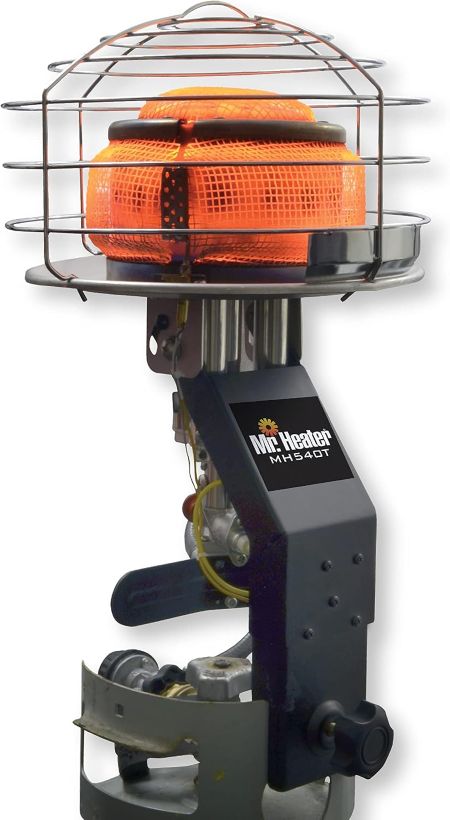
You light this heater by opening the propane valve and rotating the control knob to Pilot. Next, push the knob inward firmly while turning the rotary piezo igniter to spark the burner. Hold the control knob down for twenty seconds to warm the internal safety thermocouple sensor.
Cold evenings frequently interrupt outdoor patio gatherings during early spring and late autumn. Fortunately, a Cuisinart propane patio heater delivers 11,000 to 47,000 BTUs of dependable outdoor warmth. In fact, field testing demonstrates that outdoor radiant heaters elevate ambient warmth by fifteen degrees. Therefore, this complete guide covers safe fuel connections, ignition steps, and expert troubleshooting tips.
Key Takeaways
- Purge trapped air through the fuel line before clicking the rotary piezo igniter.
- Hold the control knob down for twenty seconds to activate the copper thermocouple.
- Check the internal anti-tilt safety switch by leveling the heater on flat ground.
- Use an approved high-pressure adapter hose when connecting twenty-pound bulk propane tanks.
- Maintain an electrode spark gap between one-eighth and three-sixteenths of an inch.
- Turn off the propane cylinder valve first during shutdown to clear line pressure.
Comparing Tabletop and Full-Size Cuisinart Heaters
Compact Tabletop Heaters for Patio Dining
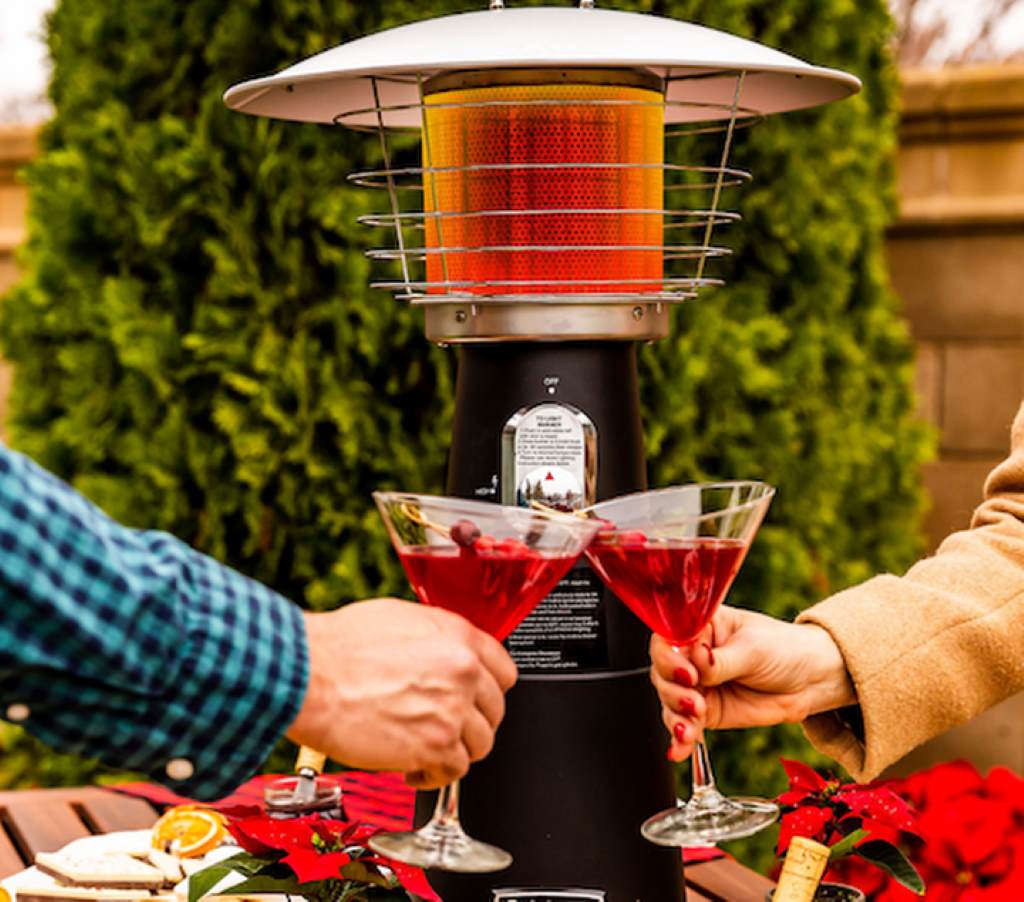
Cuisinart designs portable tabletop heaters for intimate outdoor dining areas and cozy conversation sets. Specifically, the Cuisinart COH-500 tabletop heater produces 11,000 BTUs of radiant warmth. This compact heater warms an eight-foot circle around your patio dining table efficiently.
Its lightweight design allows quick transport between picnic tables, decks, and camping spaces. However, tabletop models sit close to guests and demand strict adherence to clearance zones. Therefore, keep paper napkins, tablecloths, and drinkware away from the warm emitter grid.
Freestanding Full-Size Heaters for Large Patios
Full-size Cuisinart freestanding heaters warm expansive backyards, commercial patios, and large outdoor gatherings. These heavy-duty outdoor heaters deliver up to 47,000 BTUs of powerful downward heat. Consequently, a single tall heater covers up to two hundred square feet comfortably.
Large models enclose a standard twenty-pound propane tank inside a stable weighted base cabinet. Additionally, built-in wheels help you reposition the tall metal frame across smooth patio pavers. Strong wind gusts affect tall heaters more frequently than small table models.
Fuel Options: 1-lb Canister vs. 20-lb Tank Adapter
Connecting Portable 1-lb Propane Canisters
Tabletop heaters operate conveniently on compact one-pound disposable propane cylinders. First, inspect the canister threads and black rubber gasket for dirt or cracks. Thread the cylinder clockwise into the heater regulator fitting until you feel firm resistance.
Never use tools to over-tighten these small threaded brass fuel connections. Furthermore, a single one-pound canister fuels high heat output for roughly two hours. Always carry extra propane canisters so your evening patio party continues without interruption.
Hooking Up 20-lb Tanks with an Adapter Hose
Many homeowners connect twenty-pound propane tanks to tabletop heaters using specialized adapter hoses. In fact, a twenty-pound bulk cylinder extends continuous burn time to forty hours. You save money on fuel while eliminating frequent small cylinder replacements.
First, attach the four-foot extension hose to the heater fuel inlet securely. Next, connect the opposite QCC1 fitting to your twenty-pound propane tank handwheel. Check all hose connections using a soapy water spray to confirm leak-free seals.
Pre-Ignition Safety and Anti-Tilt Switch Checks
Verifying Operating Clearances and Ventilation
Safe outdoor operation begins with choosing a proper, well-ventilated patio location. Specifically, maintain at least three feet of overhead clearance above the emitter dome. Additionally, keep twenty-four inches of open space around the metal burner shield.
Combustible patio items create severe fire hazards near hot radiant surfaces. For example, move canvas umbrellas, plastic furniture, and hanging plant baskets away. Never run your propane heater inside screened porches, tents, or enclosed garages.
Checking the Internal Anti-Tilt Safety Mechanism
Cuisinart equips every patio heater with an internal gravity tilt switch. This weighted safety device cuts fuel delivery instantly if the heater tips over. However, uneven patio decks or wobbly tables frequently trigger accidental shut-offs.
Place your heater on a completely flat, level surface before lighting. Next, gently shake the pole to confirm steady footing on your deck. Listen for the internal ball bearing settling into its central operating position.
Step-by-Step Guide: How to Light Your Cuisinart Heater
Step 1: Bleed Trapped Air from the Fuel System
Freshly attached propane tanks always trap stagnant ambient air within the line. Consequently, air pockets block gas flow and prevent quick burner ignition. You must bleed this stale air before activating the rotary spark igniter.
First, rotate the propane tank handwheel counterclockwise very slowly. Next, push the burner control dial inward at the Off setting. Hold the dial depressed for thirty seconds to push pure propane forward.
Step 2: Engage the Rotary Piezo Igniter
Cuisinart patio heaters utilize a reliable mechanical rotary piezo ignition system. This smart design creates electric sparks without requiring external alkaline batteries. Push the control knob inward and turn it counterclockwise toward Pilot.
You will hear an audible snap as the internal piezo hammer strikes. Meanwhile, watch the small burner pilot hole for an emerging blue spark. Repeat this turning motion several times until the pilot flame ignites smoothly.
Step 3: Heat the Copper Safety Thermocouple
Do not release the control knob immediately after the pilot flame appears. Instead, keep holding the dial depressed firmly for twenty to thirty seconds. The pilot flame must heat the small copper thermocouple rod thoroughly.
The heated thermocouple generates tiny millivolts that open the internal gas valve. Consequently, releasing the knob too early cuts off the fuel supply instantly. Release the knob slowly and verify that the steady blue pilot persists.
Step 4: Set Your Preferred Burner Heat Output
Once the pilot burns steadily, turn the dial counterclockwise to High. The main perforated burner screen will ignite with a soft rushing sound. Then, adjust the temperature dial between Low and High for custom warmth.
High output provides intense radiant warmth during crisp freezing evenings. Conversely, the low setting conserves propane while maintaining pleasant conversation warmth. Allow the aluminum reflector dome five minutes to reach maximum radiant efficiency.
Cuisinart Patio Heater Specifications and Run Times
Comparing technical ratings helps you select the right fuel setup for outdoor entertaining. For example, heating capacity directly dictates propane consumption rates across chilly seasons. The following table outlines vital performance metrics and operating recommendations for Cuisinart heaters.
| Heater Category | BTU Heat Output | Fuel Source | Average Burn Duration | Ignition Mechanism |
|---|---|---|---|---|
| Tabletop (COH-500) | 11,000 BTUs/hr | 1-lb Propane Canister | 2 to 3 Hours on High | Rotary Piezo System |
| Tabletop with Adapter | 11,000 BTUs/hr | 20-lb Propane Tank | 35 to 40 Hours | Rotary Piezo System |
| Mid-Size Freestanding | 30,000 BTUs/hr | 20-lb Propane Tank | 12 to 14 Hours | Push-Button Piezo |
| Full-Size Commercial | 47,000 BTUs/hr | 20-lb Propane Tank | 9 to 10 Hours | Rotary Piezo System |
| Short Column Patio | 40,000 BTUs/hr | 20-lb Propane Tank | 10 to 11 Hours | Integrated Spark Unit |
Running your heater on the medium setting conserves valuable propane fuel. Furthermore, shielding the burner from strong crosswinds dramatically increases thermal efficiency. Always plan fuel capacity according to anticipated gathering lengths and patio dimensions.
Troubleshooting Common Cuisinart Ignition Failures
Aligning the Rotary Piezo Spark Electrode
Mechanical vibration or accidental impacts can knock the ignition spark electrode out of position. Consequently, the generated spark jumps away from the incoming propane gas stream. You can realign this electrode easily using a small pair of needle-nose pliers.
First, ensure all fuel valves remain completely closed and cool to the touch. Next, bend the metal tip gently toward the burner port openings. Maintain a precise spark gap between one-eighth and three-sixteenths of an inch.
Clearing Vapor Lock and Resetting the Regulator
Modern propane regulators feature an internal safety check ball called an excess flow valve. Opening the cylinder valve too fast forces this ball into the fuel seat. Therefore, the tripped regulator restricts gas flow to a faint hiss.
First, turn the control knob and cylinder handwheel to the Off position. Disconnect the regulator coupling nut to release line pressure fully. Then, reconnect the fitting and rotate the propane valve very slowly.
Fixing Tilt Switch Triggering on Sloped Decks
Outdoor decks and paver patios often feature slight slopes for rainwater drainage. However, a minor angle can displace the sensitive internal gravity shut-off switch. The tilted safety mechanism cuts electrical contact with the gas control valve.
Check your heater base with a pocket bubble level before lighting. Place thin wooden or composite shims underneath the low side of the stand. Consequently, leveling the frame restores normal electrical connectivity through the thermocouple circuit.
Cleaning Spider Webs from the Burner Venturi
Garden spiders frequently crawl inside dark burner venturi tubes during seasonal storage. These pests build dense silk nests that choke air intake passages. Consequently, the burner starves for oxygen and produces yellow, sooty flames.
Remove the emitter mesh screen to inspect the central burner pipe. Next, slide a flexible pipe cleaner through the internal gas passage. Blow compressed air through the tube to remove all remaining debris.
Safe Shutdown and Routine Maintenance Practices
Following the Correct Fuel Shut-Off Sequence
Shutting down your patio heater properly protects the fuel line and regulator. First, close the propane cylinder valve handwheel tightly. Allow the burner flame to consume all remaining gas inside the hose.
Once the flame dies, turn the heater control dial to Off. This sequence prevents trapped pressure from stressing internal rubber seals. Let the metal heater cool for thirty minutes before handling it.
Cleaning Burner Grates and Seasonal Storage
Regular maintenance keeps your Cuisinart heater operating safely across chilly seasons. Wipe down the stainless steel burner housing with mild dish soap. Additionally, polish the aluminum reflector dome to maintain peak radiant heat reflection.
Inspect the flexible rubber propane hose monthly for stiffness or cracks. Replace any worn fuel line immediately to avoid hazardous outdoor gas leaks. Finally, cover the cooled heater with a fitted, weatherproof vinyl cover.
Conclusion: Enjoy Warmth on Your Backyard Deck
Lighting your Cuisinart patio heater requires just a few steady, deliberate steps. Purging fuel lines, warming the thermocouple, and leveling the base guarantee reliable ignition. Furthermore, routine burner maintenance protects your heating investment against harsh weather.
Do not let brisk evening temperatures shorten your outdoor backyard gatherings. Instead, fire up your Cuisinart heater and share radiant comfort tonight. Follow these simple steps today to enjoy cozy outdoor entertaining all year long.
Frequently Asked Questions
Why is my Cuisinart patio heater not lighting?
Trapped line air or an unheated thermocouple sensor causes most patio heater ignition failures.
How long should I hold the control knob down?
Hold the control knob down for twenty to thirty seconds to warm the thermocouple.
Can I connect a 20-lb propane tank to a tabletop heater?
Yes, attach an approved four-foot propane adapter hose to run twenty-pound tanks safely.
Why does my heater flame go out after I release the knob?
Releasing the dial before the thermocouple heats up shuts off the internal gas valve.
How do I reset a tripped propane regulator?
Turn off all valves, disconnect the coupling nut, and open the tank valve slowly.