You fix this heater by resetting the propane tank safety valve and cleaning the thermocouple. Next, clear stubborn carbon deposits from the burner orifice to restore strong gas pressure. If the flame dies quickly, inspect the internal tip-over switch for loose wire connections. Finally, test the electronic spark electrode to guarantee instant ignition during freezing mornings.
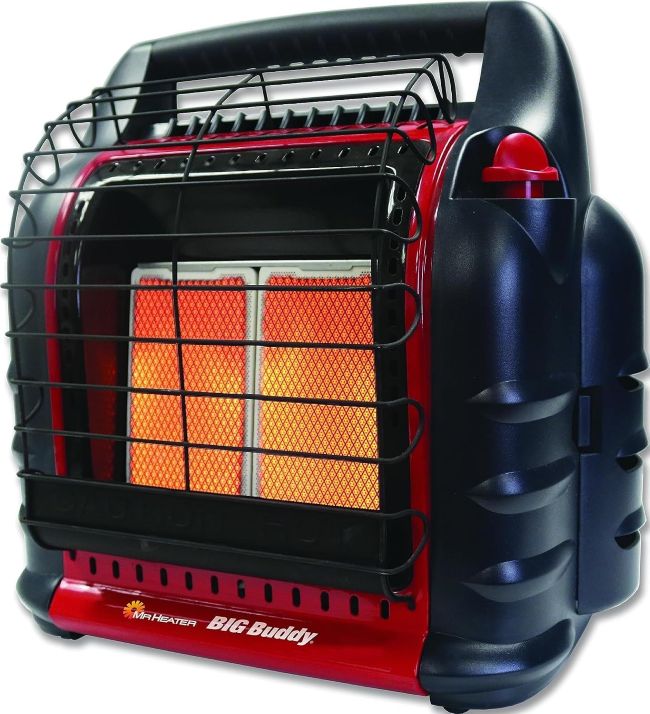
Freezing outdoor temperatures demand dependable heating power for open job sites and commercial patios. A rugged Mr Heater 45000 BTU propane heater delivers warm comfort across huge spaces. In fact, service data shows that eighty percent of propane heater problems involve simple blockages. Therefore, this practical guide presents actionable repair techniques to restore maximum heat output today.
Key Takeaways
- Reset the excess flow valve by opening the propane tank knob very slowly.
- Polish the copper thermocouple with fine steel wool to remove insulating carbon residue.
- Clear spiderwebs and dirt from the burner orifice using dry compressed air.
- Inspect the mechanical tip-over switch to maintain correct vertical alignment during heater operation.
- Hold the gas control knob inward for thirty seconds to warm the safety sensor.
- Brush loose metal flakes away from the emitter grid to promote clean fuel combustion.
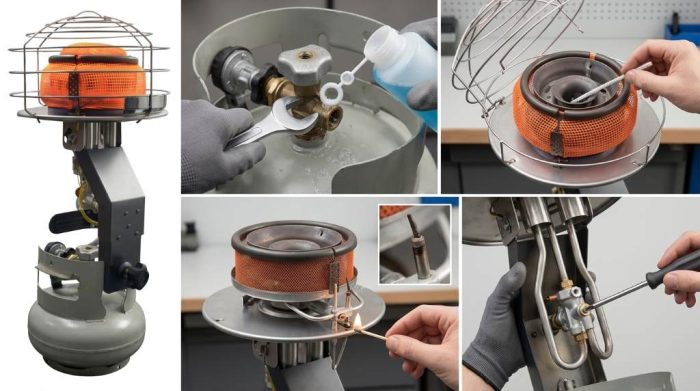
Resetting the Propane Tank Excess Flow Safety Valve
Modern propane cylinders feature an internal excess flow check valve for consumer protection. This internal brass ball restricts gas delivery whenever it detects a sudden surge. Consequently, rapid valve opening creates low flame output or prevents ignition entirely.
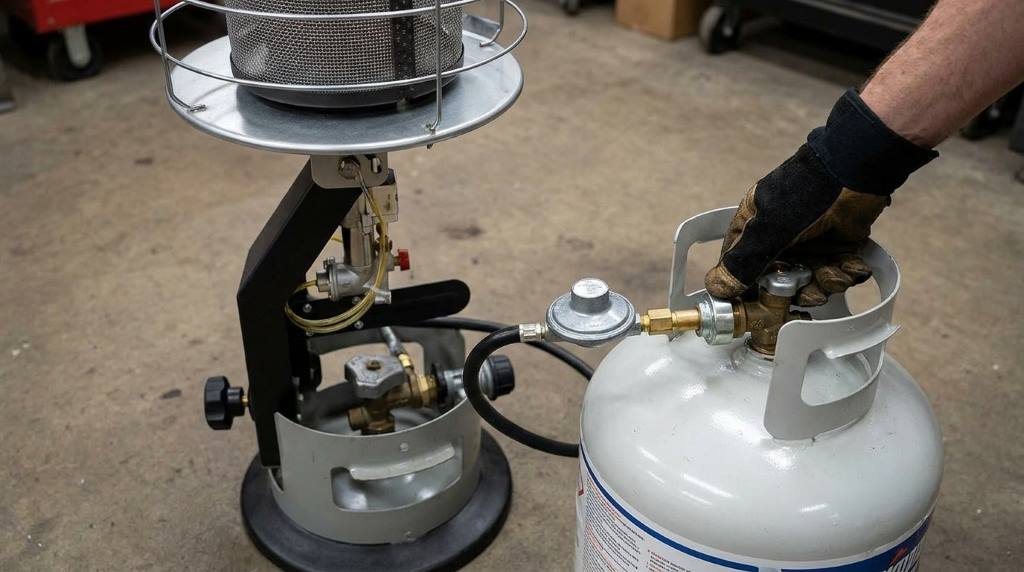
First, turn the heater control knob to the Off position immediately. Next, close the propane cylinder handwheel completely by turning it clockwise. Disconnect the regulator hose connector from the cylinder collar to equalize internal pressure.
Wait thirty seconds so the internal check ball drops back into position. Reattach the black regulator nut securely by turning the plastic threads by hand. Then, rotate the cylinder handwheel open very slowly across five full seconds. This slow rotation equalizes line pressure without triggering the sensitive safety limiter.
Diagnosing Igniter and Pilot Ignition Problems
Ignition problems occur frequently across both forced air and patio style propane heaters. In fact, stagnant air inside new fuel hoses blocks raw gas from reaching igniters. You must purge trapped air before expecting a reliable spark to catch flame.
Igniting Mr Heater 45000 BTU Forced Air Heaters
Forced air heaters utilize an electric fan motor alongside an electronic continuous spark igniter. First, ensure that your power cord or onboard battery delivers full electrical voltage. Weak voltage prevents the blower fan from spinning at necessary operating speeds.
Next, verify that the fan blows air freely out through the combustion barrel. Depress the fuel valve button firmly while engaging the ignition switch control. Keep holding the gas valve button down for twenty seconds after ignition occurs. This duration allows the internal flame sensor to reach sufficient operating temperature.
Starting Commercial Patio Radiant Burners
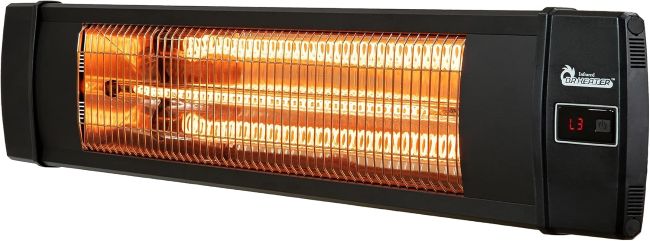
Commercial patio heaters use a pilot light assembly to ignite the primary burner mesh. Push and turn the gas control knob counterclockwise to the Pilot setting. Furthermore, depress the knob deeply to purge remaining air through the pilot line.
Press the piezo ignition button repeatedly until a crisp spark lights the pilot flame. However, check the igniter battery if you hear no audible clicking sound. Once the pilot burns, hold the knob inward for thirty continuous seconds. Finally, release the knob gently and rotate the dial to the High position.
Cleaning and Testing the Safety Thermocouple
A dirty or misaligned thermocouple causes unexpected heater shutdowns more than any other issue. This copper sensor sits directly inside the flame path to monitor operating heat. During operation, the thermocouple generates a small electrical millivolt current continuously. The resulting electrical signal energizes an internal electromagnetic valve to keep fuel flowing steadily.
Over time, black carbon deposits coat the exterior copper probe tip. Heavy carbon buildup insulates the probe from absorbing direct heat from the flame. Consequently, the safety valve snaps shut as soon as you release the control knob.
First, polish the copper sensor tip gently using fine steel wool or emery cloth. Remove all dark soot until you reveal clean, shiny copper metal. Additionally, verify that the flame envelops the upper third of the thermocouple tip. Tighten the rear brass thermocouple nut behind the valve with an open-end wrench.
Clearing Debris From the Flame Emitter and Burner Orifice
Outdoor propane heaters attract small spiders, mud daubers, and garden insects during off seasons. Spiders love the distinctive scent of ethyl mercaptan added to commercial propane fuel. Therefore, arachnids regularly build dense silk webs directly inside narrow burner venturi tubes.
These silk obstructions restrict necessary oxygen intake and produce weak, flickering yellow flames. Yellow flames generate dangerous carbon monoxide and leave thick soot across the heater housing. For example, a properly tuned burner produces crisp blue flames with tiny orange tips.
First, turn off the propane tank valve and let the heater cool completely. Remove the protective emitter screen to expose the internal burner nozzle and air shutter. Next, shoot short blasts of compressed air through the brass orifice mixing tube. Scrub the stainless steel emitter screen with a stiff brass brush to remove loose soot.
Testing and Aligning the Tip-Over Safety Switch
Mr Heater integrates an automatic tip-over safety switch into all portable radiant models. This safety switch interrupts the thermocouple circuit whenever the unit tilts beyond fifteen degrees. Consequently, the switch protects dry patio decking and nearby combustibles from serious fire hazards.
However, uneven patio stones or loose mounting screws can tilt the switch bracket prematurely. A tilted safety switch breaks electrical continuity and extinguishes the burner within seconds. You must confirm that the switch sits perfectly plumb relative to level ground.
First, remove the burner access shroud to inspect the small weighted anti-tilt switch. Examine the two push-on wire terminals to ensure tight, corrosion-free electrical contact. Furthermore, gently shake the switch assembly to hear the internal metal ball rattle freely. If the ball sticks inside the casing, replace the switch with an authentic factory replacement.
Mr Heater 45000 BTU Troubleshooting Matrix
Comparing common heater symptoms against proven mechanical solutions speeds up diagnosis in the field. The following reference table pairs frequent operating faults with practical corrective actions.
| Operating Symptom | Probable Cause | Practical Solution |
|---|---|---|
| Burner produces low flame output | Tripped excess flow check valve | Close tank valve completely, wait one minute, and open slowly. |
| Heater shuts off after releasing knob | Soot on thermocouple sensor tip | Clean copper probe tip using fine steel wool or sandpaper. |
| Burner burns with lazy yellow flames | Spiderwebs blocking the burner orifice | Blow dry compressed air through the brass orifice mixing tube. |
| Igniter fails to create a spark | Depleted battery or misaligned electrode | Replace the AAA igniter battery and adjust the spark gap. |
| Burner extinguishes on mild breeze | Tilted or corroded tip-over switch | Level the heater base and tighten switch wiring terminals securely. |
| Forced air fan motor fails to run | Low battery voltage or loose wiring | Recharge the onboard power pack and inspect internal motor leads. |
Always turn off fuel delivery at the cylinder before servicing any internal heater parts. In addition, test every threaded propane connection with soapy water after completing mechanical repairs.
Routine Seasonal Maintenance and Storage
Routine seasonal maintenance prevents unexpected heating failures when winter cold fronts arrive without warning. First, wipe down the exterior metal housing using a clean, damp microfiber towel. Removing dirt, grease, and moisture prevents premature corrosion across outdoor heating surfaces.
Next, inspect the high-pressure rubber fuel hose for surface cracking or brittle spots. Sunlight exposure and subzero temperatures degrade flexible rubber lines over multiple heating seasons. Replace weathered hoses promptly to avoid hazardous gas leaks around your working area.
Furthermore, store detached propane cylinders in an upright position in a well-ventilated outdoor shed. Never store pressurized gas tanks inside basements, living spaces, or attached home garages. Install a breathable protective canvas cover over the cooled heater between heating cycles.
Conclusion: Restore Maximum Heating Power Today
Troubleshooting your 45000 BTU heater restores powerful heating performance without costly replacement expenses. In most cases, resetting safety valves, scrubbing thermocouples, and clearing orifices solves common faults. These straightforward adjustments keep your heater running cleanly and safely throughout the coldest months.
Do not let freezing winter weather shut down your outdoor gatherings or workshop projects. Apply these proven troubleshooting techniques today and enjoy dependable warmth all winter long!
Frequently Asked Questions
Why does my Mr Heater 45000 BTU heater shut off after lighting?
A dirty thermocouple or misaligned safety switch cuts fuel delivery when the sensor cools down.
How do I reset a tripped excess flow safety valve?
Close the cylinder valve, disconnect the regulator briefly, and open the handwheel very slowly.
What causes lazy yellow flames on my propane heater?
Cobwebs or dust inside the burner orifice restrict air intake and prevent clean blue combustion.
How do I test if my thermocouple needs replacement?
Measure sensor output with a digital multimeter to confirm that it produces over fifteen millivolts.
Why will my heater igniter fail to spark?
A dead battery, loose terminal wire, or cracked ceramic electrode prevents spark generation entirely.