Why 2027 Is a Turning Point for Job Site Equipment
The building industry moves fast. Crews want gear that saves time, cuts costs, and keeps workers safe. As a result, makers launch smarter products every year. From January 28 to 30, 2027, many contractors, buyers, and site managers will review their equipment plans for the new season. This guide covers the key shifts worth watching. It also shows how each one can help a real job site.
Several big events wrap up just before that window. World of Concrete runs January 19 to 21 in Las Vegas. The Underground Infrastructure Conference runs January 26 and 27 in Grapevine, Texas. Therefore, teams can collect ideas first and then use January 28 to 30 to compare quotes, set budgets, and place orders.
Rising labor costs, tighter emission rules, and demand for faster projects drive most of these changes. Meanwhile, better batteries and cheaper sensors make advanced features affordable for small firms. In short, 2027 rewards buyers who plan early.
Electric and Hybrid Machines Take Center Stage
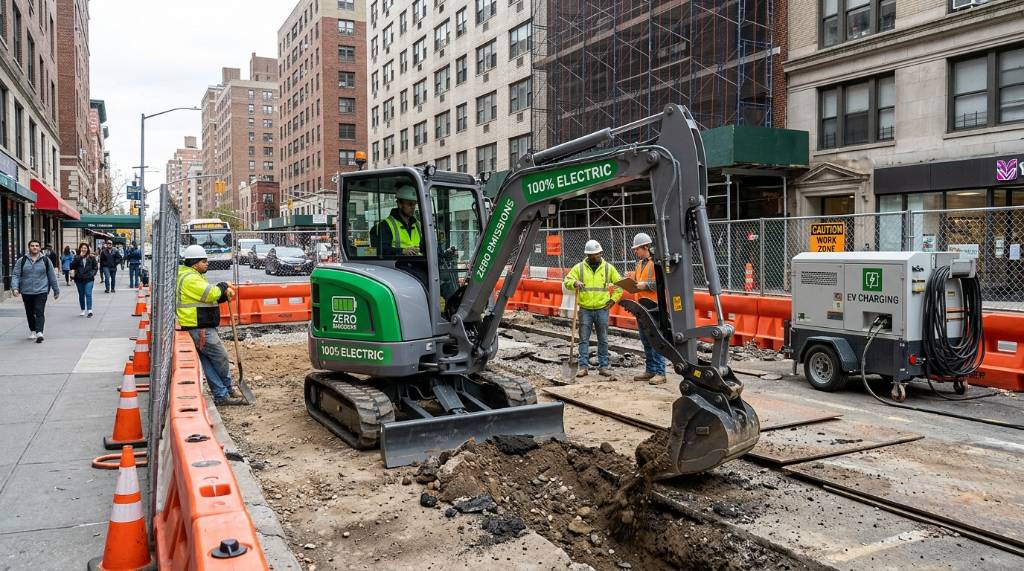
Electric power is no longer a niche idea. Makers now offer battery-driven excavators, loaders, skid steers, and compact trucks. These machines run quietly and produce no exhaust at the point of use. Consequently, crews can work indoors, at night, and in dense city areas without strict noise limits.
Battery-Powered Compact Equipment
Compact electric machines lead the way. They suit utility work, landscaping, and interior demolition. Their running costs stay low because electricity costs less than diesel and the motors need fewer repairs. Additionally, fewer moving parts mean less time in the shop.
However, battery life still matters. Most compact units cover a full shift only with careful planning. Larger machines often need fast charging or a hybrid drive. Hybrid models solve this problem by pairing a small engine with a battery pack. They cut fuel use while keeping long run times.
Cordless Power Tools Keep Improving
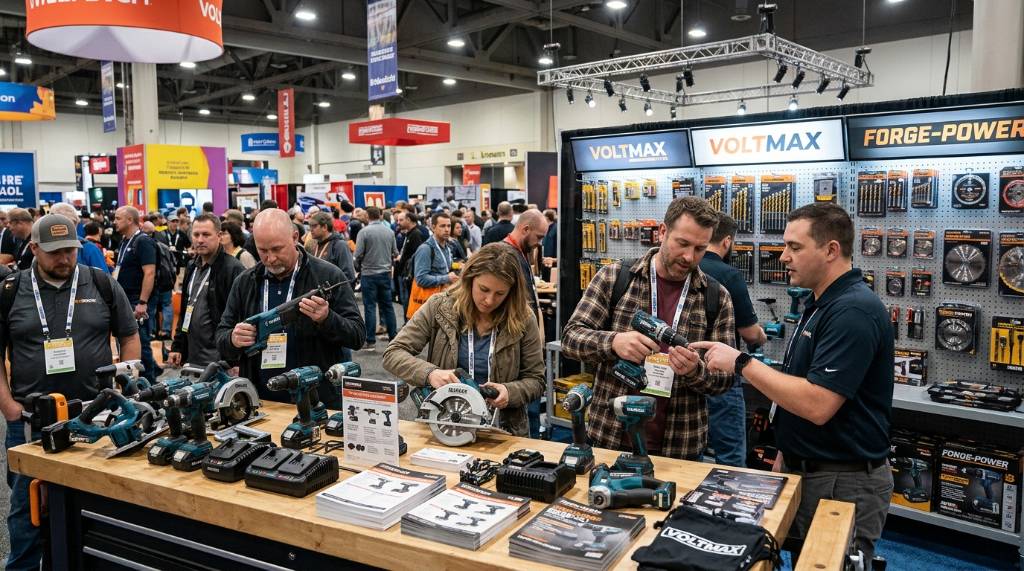
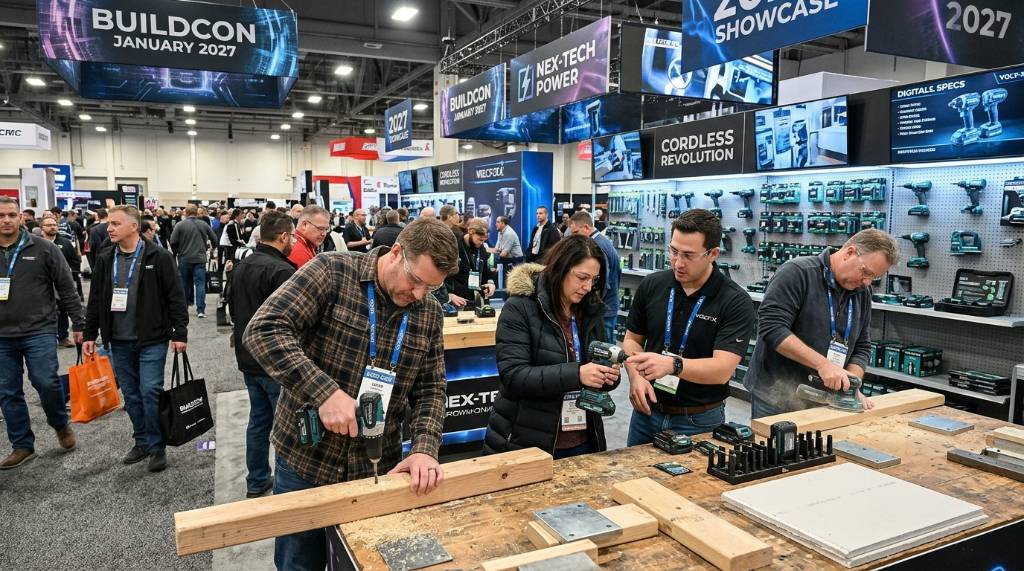
Cordless tools also advance quickly. Modern drills, saws, and grinders now match many corded models in power. Brands share one battery across dozens of tools, which simplifies charging and cuts clutter. Furthermore, new battery packs last longer and recharge faster than older ones.
Cordless gear removes extension cords from the site. Fewer cords mean fewer trip hazards and quicker setup. Workers move freely, and supervisors spend less time managing power points.
Charging on Site
Charging plans now matter as much as the machines. Many firms install mobile charging trailers and solar-backed stations. Some rent battery packs by the week. Thus, a small crew can try electric gear without large upfront costs.
Autonomous and Remote-Controlled Machinery
Automation is spreading from mines to everyday job sites. Remote-controlled demolition robots, self-guiding rollers, and semi-autonomous dozers already work on real projects. Operators set the plan, and the machine handles repeated passes with steady accuracy.
This trend helps in two ways. First, it removes people from risky zones such as steep slopes, trenches, and unstable structures. Second, it keeps quality high during long, repetitive tasks like grading and compaction. Moreover, a single skilled operator can supervise more than one machine.
Of course, full autonomy needs careful setup. Crews must map the site, mark limits, and test safety stops. Nevertheless, even partial features pay off. Examples include automatic grade control, bucket guidance, and return-to-dig functions. Many buyers will ask about these options during the January 28 to 30 planning window.
Smart Tools and Connected Job Sites
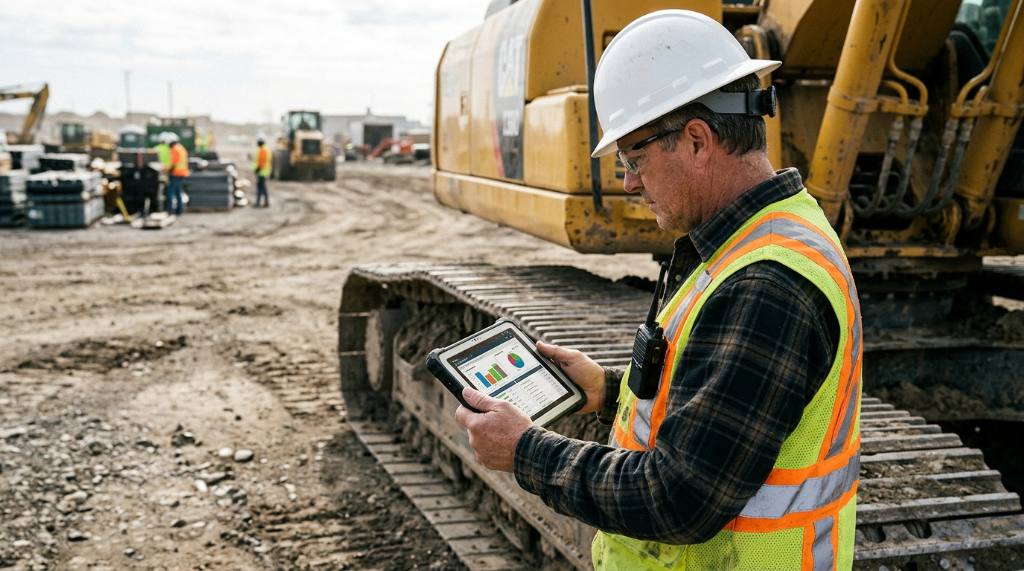
Data now travels with every tool. Sensors track location, run time, fuel or battery level, and service needs. Managers see all of this on a phone or laptop. As a result, they spot idle machines, prevent theft, and plan repairs before a breakdown.
Telematics and Fleet Tracking
Telematics systems report each machine’s health in real time. They send alerts when oil runs low or when a part shows wear. Therefore, service teams fix small issues early. This habit cuts downtime and extends machine life. Many new models include telematics at no extra cost for the first years.
Digital Layout and Laser Tools
Robotic total stations, laser scanners, and rotating lasers now connect directly to digital plans. A worker can mark a wall, a floor point, or a drill hole in seconds. Compared with tape measures and chalk, this method saves hours and reduces errors. In addition, scan tools check finished work against the model, so crews catch mistakes before they cost money.
Artificial Intelligence on the Job
Artificial intelligence now supports estimating, scheduling, and site monitoring. Cameras can count materials, flag missing safety gear, and track progress. Software suggests the best machine for a task and warns about weather delays. Although these tools do not replace skilled managers, they give them faster, clearer facts.
Drones, Robots, and 3D Printing
Several new technologies have moved from demonstration to daily use. Each one targets a clear pain point.
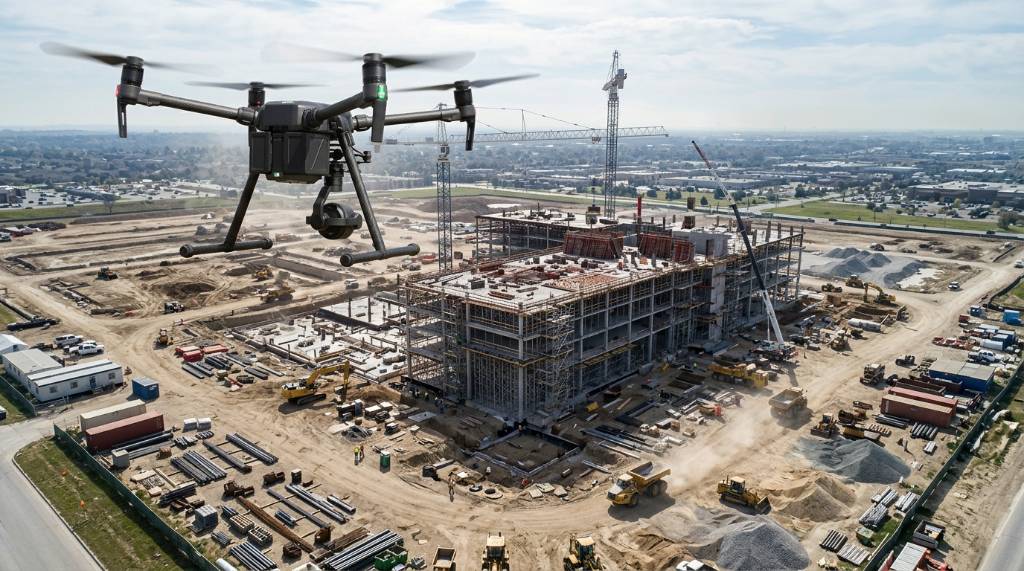
- Drones: Survey crews fly drones to map a site in minutes instead of days. They also inspect roofs, bridges, and tall towers without scaffolding.
- Layout and drilling robots: These robots mark floors and drill ceiling holes with high accuracy. They reduce overhead strain on workers.
- Rebar tying robots: Machines now tie rebar intersections on bridge decks and slabs. They speed up a job that tires the back and hands.
- 3D concrete printing: Printers build walls and small structures layer by layer. They cut waste and shorten schedules for simple shapes.
None of these options fits every project. However, each one rewards firms that match the technology to a specific task. A pilot test on one site often shows the real savings before a bigger purchase.
Safety Technology Gains Ground
Safety is a top priority for every contractor. New tools make it easier to protect workers without slowing the job. Proximity sensors warn operators when a person walks too close to a moving machine. Cameras with object detection cover blind spots. Wearable tags alert crews to heat stress, falls, or restricted zones.
Additionally, newer power tools include features that stop a blade within milliseconds after contact. Dust-control systems capture silica at the source, which protects lungs and helps firms meet exposure rules. Because insurers notice these upgrades, some firms also see lower premiums.
Training matters just as much as hardware. Short video lessons, simulators, and augmented reality headsets help new operators learn safely. Consequently, crews reach full skill faster and make fewer costly errors.
Versatile Attachments and Multi-Purpose Carriers
Contractors now want one machine that does many jobs. Quick couplers let operators swap a bucket for a breaker, grapple, or auger in under a minute. Smart attachments talk to the host machine and adjust flow and pressure on their own. As a result, a single carrier can replace two or three single-purpose units.
This approach saves money on purchase, transport, and storage. It also cuts the time crews spend waiting for the right equipment to arrive. However, buyers should check hydraulic capacity and weight limits first. A mismatch can reduce power or harm the machine.
Sustainability and Low-Emission Work Methods
Green goals now shape many bids. Public clients often ask for lower emissions, less waste, and cleaner air on site. Therefore, firms look for machines that burn less fuel, run on renewable diesel, or plug into the grid.
New concrete tools support this shift too. Cleaner mixers, efficient pumps, and curing sensors reduce wasted material. Recycling crushers turn old concrete into new base layers on the same site, so trucks make fewer trips. In addition, idle-shutdown settings save fuel without any extra effort from operators.
Reporting also gets easier. Connected machines log fuel use and hours automatically. Managers can then share clear numbers with clients and regulators.
The Skills Gap and the Role of Training
Many regions face a shortage of skilled operators. Technology can ease the problem, but only when crews know how to use it. Makers now offer simulators, guided assist modes, and short online courses. These aids help new workers learn faster and with less risk.
Assist features also lift the floor for beginners. For example, grade guidance helps a new operator dig to the right depth on the first try. Meanwhile, experienced operators gain more time for complex tasks. Consequently, firms that invest in training often see better output from every machine they own.
Rental, Used Equipment, and Smarter Buying
High prices and fast technology change push many firms toward flexible buying. Rental fleets now include electric and connected models, so a contractor can test new gear before spending big. Rent-to-own plans and short-term leases spread costs across the year.
Used equipment also remains popular. Online auctions and certified resale programs give buyers clear service records and inspection reports. Meanwhile, remanufactured parts cut repair bills while keeping machines working longer.
Total cost of ownership should guide every decision. Buyers should compare purchase price, fuel or power cost, service plans, training needs, and resale value. A cheap machine that sits in the shop for weeks costs more than a pricier one that runs every day.
Smart Tips for Small and Mid-Size Contractors
Big firms are not the only ones who gain from new equipment. Small crews can move first because they decide quickly. Start with one upgrade that fixes your most costly problem, such as a laser layout kit or a battery tool platform. Then measure the result for three months.
Additionally, talk to local dealers about demo days and trade-in offers. Many sellers now bundle service, training, and software in one monthly price. Therefore, even a modest budget can reach modern construction machinery without heavy debt. Finally, ask other contractors what worked for them. Their honest feedback often beats any brochure.
Quick Comparison of Key Trends
The table below summarizes the main trends, their benefits, and the points to check before buying.
| Trend | Main benefit | Best suited for | Check before buying |
| Electric machines | Low noise, no exhaust, lower running cost | Indoor, urban, and night work | Battery life and charging plan |
| Autonomous gear | Steady quality and safer sites | Grading, compaction, demolition | Site mapping and operator training |
| Telematics | Fewer breakdowns and less theft | Mixed fleets of any size | Data fees and software fit |
| Drones and scanners | Fast surveys and checks | Large sites and tall structures | Pilot rules and data handling |
| Safety sensors | Fewer accidents and claims | Busy sites with many workers | Alarm fatigue and upkeep |
| Rental and leasing | Lower upfront cost | Firms testing new gear | Contract length and fees |
How to Prepare for January 28 to 30, 2027
A clear plan turns trend reading into real savings. Use this short checklist before the window opens.
- List the three biggest cost or delay problems on your sites.
- Match each problem to one tool or machine type from this guide.
- Set a budget range and compare buy, rent, and lease options.
- Ask each seller about training, service response time, and parts supply.
- Request a short trial or demo before signing any contract.
Following these steps keeps choices practical. It also stops teams from buying features they never use.
Conclusion
The next year will reward contractors who adapt. Electric and hybrid machines cut noise and running costs. Autonomous and remote features raise safety and consistency. Smart tools, telematics, and digital layout reduce errors and downtime. Drones, robots, and 3D printing solve specific tasks faster. Safety technology protects workers and lowers risk. Finally, rental and lease plans make all of this easier to afford.
Frequently Asked Questions (FAQs)
1. What are the biggest construction equipment trends in 2027?
The biggest trends include electric and hybrid machines, partial automation, telematics, drones, robotic layout tools, 3D printing, and stronger safety technology.
2. Are electric excavators worth buying?
They suit indoor, urban, and night work well. Running costs are low, but you must plan for charging and battery life.
3. How do telematics systems save money?
They track machine health, location, and use. Managers fix small problems early, reduce idle time, and prevent theft.
4. Will autonomous machines replace operators?
No. They handle repeated tasks, while skilled operators plan the work, supervise, and manage safety.
5. Is renting better than buying new equipment?
Renting works well for short projects and for testing new technology. Buying makes sense when a machine runs most days of the year.
6. What cordless tool features matter most?
Look for shared battery platforms, fast charging, strong torque, and dust or water protection.
7. How do drones help on a job site?
Drones map land quickly, track progress, and inspect high or unsafe areas without scaffolding.
8. Can small contractors afford new technology?
Yes. Rentals, leases, and subscription software lower the entry cost. Start with one tool that solves a clear problem.
9. What safety upgrades should I prioritize?
Start with proximity sensors, rear cameras, dust control, and operator training. Add wearables as your budget grows.
10. How should I prepare for a late-January equipment review?
List your biggest problems, set a budget, compare buy, rent, and lease options, and ask for demos before you commit.