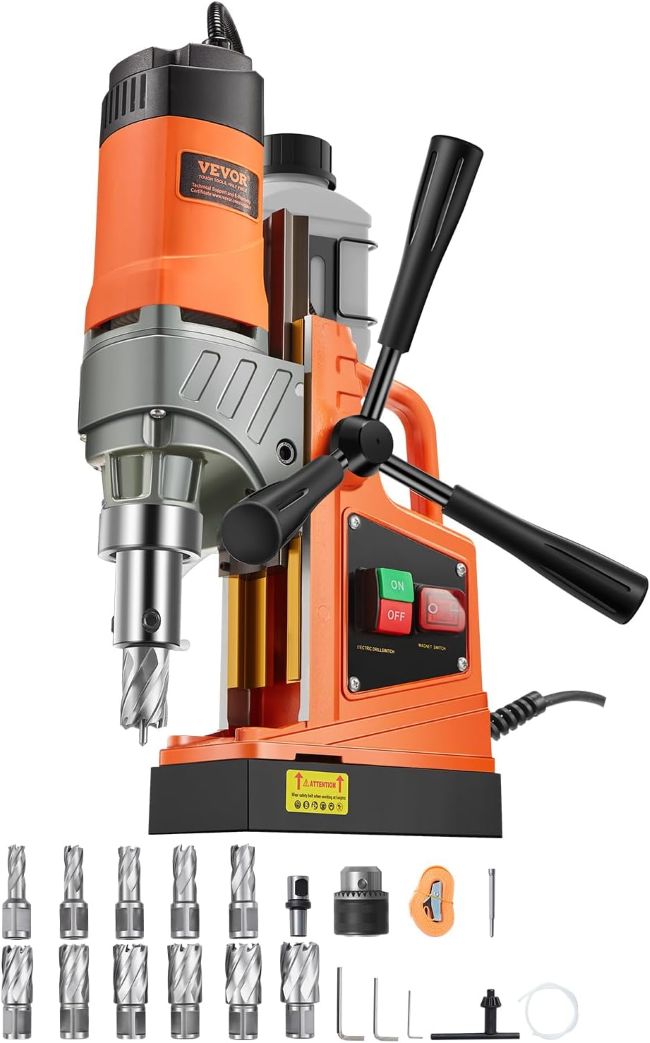
Power tools are no longer limited to workshops or construction sites. Today, more women are stepping into DIY projects, home improvement, and creative builds. In fact, data from the U.S. Bureau of Labor Statistics shows that women now make up nearly 11 percent of construction related roles, and the number keeps growing. At the same time, a study by Harvard’s Joint Center for Housing Studies found that Americans spend over $400 billion yearly on home improvements. That means more people want reliable tools at home. Choosing the right power tools for women can feel overwhelming, but with the right guidance, it becomes simple and even enjoyable. This guide walks you through how to pick the best tools for your needs, skill level, and comfort.
Why Choosing the Right Power Tools Matters
Selecting the right tools is not just about getting the job done. It affects safety, efficiency, and confidence. When tools feel too heavy or difficult to control, mistakes happen more often. On the other hand, well designed tools improve accuracy and reduce fatigue.
Women often benefit from tools that prioritize ergonomics and ease of handling. Many brands now design equipment with smaller grips, lighter builds, and balanced weight distribution. This shift helps users work longer without strain.
In addition, the right tools save time. Instead of struggling with manual methods, power tools deliver faster results with better precision. That means more completed projects and less frustration.
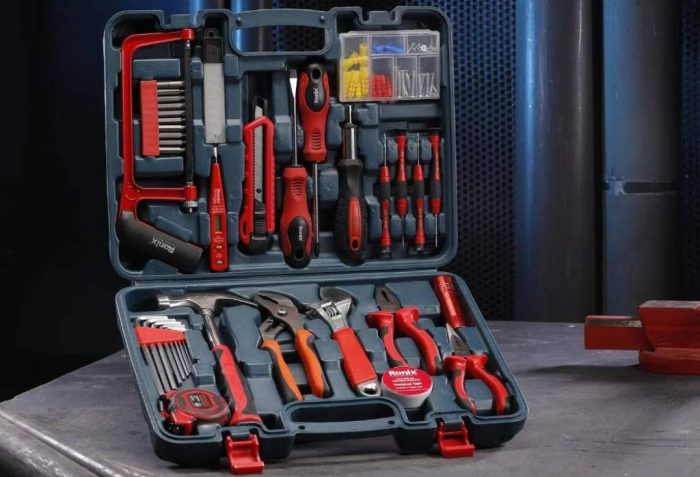
Key Factors to Consider Before Buying Power Tools
1. Ergonomics and Comfort
Comfort should be your top priority. Tools that fit your hand properly reduce strain and improve control. Look for soft grip handles and balanced designs.
A tool that feels natural in your hand allows smoother operation. It also lowers the risk of injury during longer tasks. Try holding different models before buying if possible.
2. Weight and Size
Lightweight tools are easier to handle, especially for beginners. Heavy equipment can lead to fatigue quickly. Compact designs also help when working in tight spaces.
However, lighter does not always mean weaker. Many modern tools offer strong performance in smaller sizes.
3. Power Source
Power tools come in two main types:
- Corded tools
- Cordless tools
Cordless tools offer more freedom and flexibility. They work well for home use and small projects. Corded tools provide consistent power for heavy duty tasks. Most beginners prefer cordless options due to convenience.
4. Battery Life and Charging
If you choose cordless tools, battery performance matters. Look for lithium ion batteries. They last longer and charge faster.
Having a spare battery helps avoid interruptions. It keeps your workflow smooth, especially during bigger projects.
5. Safety Features
Safety should never be overlooked. Look for features like:
- Automatic shut off
- Safety locks
- Overload protection
- Non slip grips
These features protect you while using the tool and reduce accidents.
Essential Power Tools Every Woman Should Own
Cordless Drill
A cordless drill is the most versatile tool in any kit. It helps with drilling holes and driving screws. You can use it for furniture assembly, wall mounting, and basic repairs.
Look for adjustable speed settings and multiple torque options. These features give better control across different materials.
Circular Saw
This tool is perfect for cutting wood and other materials. It works well for home improvement projects like shelves or outdoor builds.
Choose a model with a lightweight design and safety guard. That ensures both ease of use and protection.
Jigsaw
A jigsaw is ideal for curved cuts and creative designs. It allows precision work on wood, plastic, and even metal.
This tool is great for artistic projects and detailed tasks. Beginners often find it easier to control than larger saws.
Impact Driver
An impact driver provides extra torque for driving screws into tough materials. It is useful for building furniture or decks.
It reduces effort compared to a standard drill. This makes it a valuable addition to any toolkit.
Sander
A sander smooths surfaces quickly and efficiently. It is essential for refinishing furniture or preparing surfaces for painting.
Look for a compact model with dust collection. This keeps your workspace cleaner.
Best Power Tool Kits by Skill Level
Beginner Level Kits
Beginner kits focus on simplicity and versatility. They usually include:
- Cordless drill
- Basic drill bits
- Screwdriver attachments
- Battery and charger
These kits help you handle everyday tasks like hanging shelves or assembling furniture. They are easy to use and require minimal experience.
Intermediate Level Kits
Intermediate users need more variety and power. These kits often include:
- Drill and impact driver combo
- Jigsaw
- Sander
- Multiple batteries
This level supports more advanced projects like woodworking or home upgrades.
Advanced Level Kits
Advanced kits are designed for serious DIY enthusiasts. They include:
- Circular saw
- Reciprocating saw
- Angle grinder
- High capacity batteries
These tools handle heavy duty work and complex builds. They offer greater precision and performance.
How to Build a Personalized Tool Kit
Not every kit fits every person. Building your own set ensures you get exactly what you need.
Start by identifying your common tasks. For example, if you focus on home decor, you may need a drill and sander. If you enjoy woodworking, a saw becomes essential.
Next, invest in quality over quantity. A few reliable tools perform better than many low quality ones.
Finally, expand gradually. Add tools as your skills grow. This approach saves money and avoids clutter.
Safety Tips for Using Power Tools
Safety should always come first. Even the best tools require careful handling.
Follow these guidelines:
- Wear protective gear like gloves and goggles
- Keep your workspace clean and organized
- Read the manual before using any tool
- Avoid loose clothing that may get caught
- Disconnect power when changing accessories
Taking these steps reduces risks and builds confidence.
Common Mistakes to Avoid
Many beginners make similar mistakes when choosing power tools. Being aware of them helps you make better decisions.
One common mistake is buying tools that are too advanced. Complex tools can feel intimidating and difficult to use. Start simple and upgrade later.
Another issue is ignoring ergonomics. A tool that feels uncomfortable will not be used often.
Some people also overlook battery compatibility. Sticking to one brand often allows batteries to work across multiple tools.
Finally, avoid rushing your purchase. Take time to research and compare options before deciding.
Benefits of Using Power Tools at Home
Power tools offer more than convenience. They open the door to creativity and independence.
You can handle repairs without waiting for help. That saves both time and effort. Projects that once seemed difficult become manageable.
They also improve precision. Tasks like cutting or drilling become more accurate with the right equipment.
In addition, using tools builds confidence. Each completed project adds new skills and experience.
Conclusion
Choosing the best power tools for women comes down to comfort, usability, and purpose. Focus on tools that fit your hand, match your skill level, and support your projects. Start with essential items like a cordless drill and expand as your confidence grows. Pay attention to safety and always prioritize quality. With the right tools, you can take control of your home projects and enjoy the process. Begin building your toolkit today and turn your ideas into reality.
FAQs
What are the best beginner power tools for women
A cordless drill, basic screwdriver set, and a small sander are ideal for beginners. These tools cover most everyday tasks and are easy to use.
Are cordless tools better than corded ones
Cordless tools offer more flexibility and convenience. They are perfect for home use. Corded tools provide consistent power for heavy tasks.
How do I choose the right tool size
Pick tools that feel comfortable in your hand. Lightweight and compact designs are easier to control and reduce fatigue.
Do I need a full tool kit or individual tools
Start with a small kit if you are new. As your skills grow, you can add individual tools based on your needs.
How can I stay safe while using power tools
Wear protective gear, follow instructions, and keep your workspace organized. Always handle tools with care and attention.