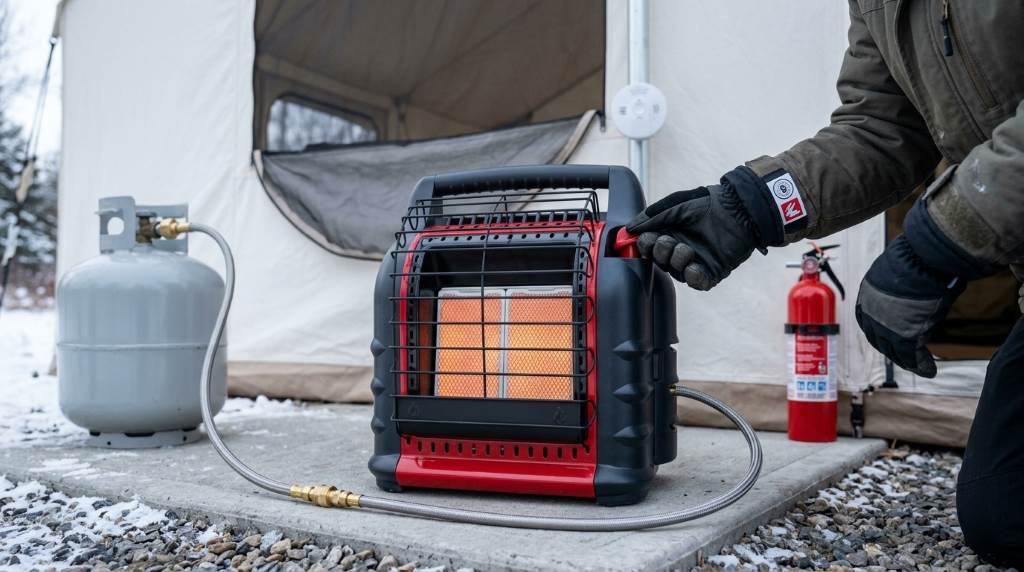
You operate this heater safely by providing ventilation and maintaining thirty inches of overhead clearance. Next, connect clean propane cylinders and check every brass fitting for gas leaks. Turn the rotary dial to Pilot while depressing the ignition knob firmly.
Severe winter storms leave over 300,000 American homes without electrical power every year. Fortunately, the Mr Heater 18000 BTU heater warms up to 450 square feet in fifteen minutes. In fact, this dual-burner appliance achieves an impressive 99.9 percent fuel combustion efficiency. Therefore, this comprehensive safety guide explains proper operation, cylinder balancing, and maintenance procedures.
Key Takeaways
- Provide at least nine square inches of fresh air ventilation during indoor operation.
- Install a genuine fuel filter when connecting external twenty-pound bulk propane tanks.
- Maintain thirty inches of top clearance and twenty-four inches of front clearance.
- Balance dual one-pound cylinders to feed both burner chambers evenly on High.
- Never sleep inside an enclosed room while running portable propane heating equipment.
- Test all fuel line hose connections with soapy water before every startup.
Essential Safety Clearances and Indoor Ventilation Rules
Indoor propane appliances consume ambient room oxygen while generating radiant infrared heat. Specifically, you must provide a fresh air opening of at least nine square inches. Crack an exterior window two inches to maintain continuous oxygen circulation inside the room.
Proper physical clearances protect combustible building materials from intense front-facing radiant heat. Always maintain thirty inches of clear vertical space above the top wire guard. Additionally, keep twenty-four inches of open perimeter directly in front of the burners. Allow four inches of clearance around the rear air intake and side cylinder doors.
Flammable materials create severe fire hazards when placed too close to hot metal surfaces. Therefore, remove curtains, blankets, clothing, and cardboard boxes from the surrounding heating zone. Next, place the heavy plastic heater base onto a flat, solid, level floor. Never position the operating unit directly on deep synthetic carpets or soft foam mats.
Understanding the Built-In Oxygen Depletion Sensor
The manufacturer equips this Big Buddy appliance with an advanced Oxygen Depletion Sensor system. This integrated ODS safety assembly combines a precision pilot burner and an active thermocouple. In fact, the pilot flame heats the copper thermocouple to hold the gas valve open.
Standard indoor atmosphere normally contains roughly twenty point nine percent ambient oxygen. However, the sensitive pilot flame lifts off the thermocouple when oxygen levels drop below eighteen percent. Consequently, the cooling thermocouple shuts the spring-loaded safety fuel valve in milliseconds. Furthermore, this instant mechanical cutoff halts raw propane flow before hazardous gas accumulates.
Frequent sensor trips signal severe oxygen starvation inside your enclosed living area. Immediately shut off the heater and open several exterior windows to refresh room air. Never tamper with the factory pilot assembly or attempt to bypass safety switches.
Dual Propane Cylinder Balancing and Setup
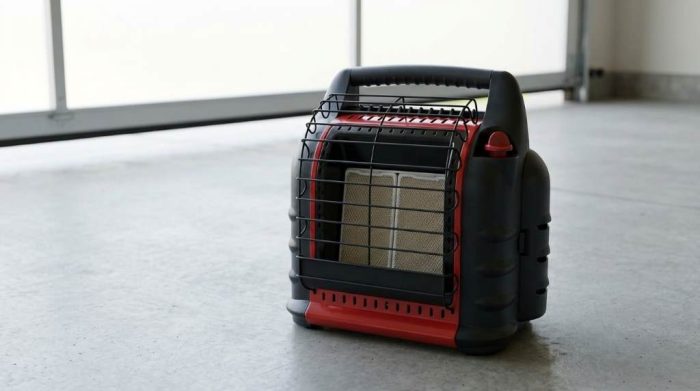
The Big Buddy design features two separate fuel compartments with independent swivel regulator ports. Specifically, each compartment accepts a standard one-pound disposable liquid propane cylinder. You can run the heater using a single cylinder or two cylinders simultaneously.
However, internal gas routing dictates how the appliance draws fuel from each port. The left swivel regulator feeds gas during single-burner Low and Medium heat operations. Switching the dial to High activates both burners and draws fuel from both cylinders. Therefore, installing two fresh, balanced cylinders ensures full 18,000 BTU thermal performance.
Inspect the small black rubber O-ring inside each brass swivel connector before installation. Next, screw the one-pound cylinder clockwise into the swivel connector by hand. Tighten each cylinder firmly until snug, but avoid using metal wrenches or pliers. Over-tightening damages fragile rubber seals and causes hazardous propane leaks around the collar.
Why You Must Install a Fuel Filter on Bulk Propane Tanks
Connecting an external twenty-pound propane tank provides prolonged runtime during harsh winter emergencies. However, high-pressure bulk propane hoses create a hidden mechanical hazard for portable heaters. Liquid propane breaks down flexible synthetic rubber compounds inside standard black extension hoses.
Consequently, the pressurized gas leaches oily plasticizer chemicals directly from the hose walls. These heavy oily contaminants travel downstream into the delicate internal brass control valves. Eventually, oily sludge coats the ceramic burner tiles and permanently clogs tiny pilot jets. This sticky contamination causes sputtering flames, foul odors, and total heating failure.
You prevent plasticizer damage by installing a genuine Mr. Heater fuel filter directly onto the intake. First, thread the brass filter onto the heater swivel port before attaching your hose. Alternatively, purchase a specialized plasticizer-free appliance hose that eliminates filter requirements entirely. Replace disposable fuel filters annually to ensure clean, unobstructed fuel delivery all winter.
Operating the Three Heat Settings Efficiently
The Mr. Heater Big Buddy provides three distinct heat outputs to match changing room temperatures. The Low setting generates 4,000 BTUs by firing the left ceramic burner on low. In addition, the Medium setting boosts the left burner output to 9,000 BTUs per hour. Turning the dial to High activates both ceramic burner tiles for full 18,000 BTU warmth.
An internal electric blower fan circulates warm air evenly across large enclosed workshops. Specifically, the fan assembly operates on four D-cell alkaline batteries housed inside the rear compartment. Furthermore, an optional six-volt AC power adapter plugs into standard wall electrical outlets. Running the fan eliminates hot ceiling drafts and distributes gentle radiant warmth across the floor.
Technical Specifications and Heating Output Comparison
Selecting the right fuel configuration significantly influences heating duration, fuel economy, and operational convenience. For example, bulk cylinders offer days of continuous warmth, whereas portable bottles maximize mobility. The following technical comparison highlights heat settings, fuel consumption rates, and estimated runtimes.
| Heat Setting | BTU Output | Active Burner Tiles | Runtime (Dual 1-lb Cylinders) | Runtime (20-lb Bulk Tank) |
|---|---|---|---|---|
| Low Setting | 4,000 BTUs / hr | Single Left Tile (Low) | 10 to 12 Hours | 108 to 115 Hours |
| Medium Setting | 9,000 BTUs / hr | Single Left Tile (High) | 4.5 to 5 Hours | 48 to 52 Hours |
| High Setting | 18,000 BTUs / hr | Both Left & Right Tiles | 2 to 2.5 Hours | 24 to 26 Hours |
| Integrated Blower Fan | Circulates Warm Air | Rear Radial Fan | 10 to 12 Hours (4 D Batteries) | Continuous (AC Adapter) |
Operating the unit on Medium usually maintains comfortable conditions in well-insulated suburban garages. Consequently, you preserve valuable propane reserves while preventing excessive indoor moisture accumulation. Switch to High temporarily during freezing morning starts to warm cold surfaces quickly.
Step-by-Step Lighting and Shutdown Instructions
Always verify room ventilation and inspect fuel fittings before initiating the formal lighting sequence. First, open the main valve on your external propane tank slowly to prevent pressure lockouts. Rapid valve opening trips the excess flow check valve inside the regulator and restricts fuel.
Push the top rotary control knob inward firmly while turning it counterclockwise to Pilot. Next, continue depressing the knob for thirty seconds to purge trapped air from the line. Strike the built-in piezo spark igniter by turning the knob to the ignition position. Watch through the wire guard until a bright blue pilot flame ignites beside the burner.
Hold the control knob down for thirty additional seconds after the pilot flame catches. This duration allows the pilot flame to heat the internal copper thermocouple thoroughly. Gently release the knob and verify that the steady blue pilot flame remains burning. Then, rotate the control knob to your desired Low, Medium, or High heat setting.
Safe shutdown requires extinguishing the fuel supply in a precise mechanical order. First, close the shutoff handwheel on your external twenty-pound propane tank completely. Let the burner consume all remaining pressurized fuel inside the supply hose naturally. Finally, turn the heater control knob clockwise to the Off position.
Troubleshooting Common Big Buddy Operating Problems
Fixing a Pilot Flame That Refuses to Stay Lit
A pilot flame that extinguishes upon releasing the knob indicates a cold or dirty thermocouple. Most users release the rotary knob too quickly before the sensor reaches operating temperature. In fact, holding the dial depressed for forty-five seconds resolves most stubborn startup failures.
Heavy dust or metal oxidation on the thermocouple tip also blocks vital electrical current. Therefore, rub the copper sensor probe gently using fine emery cloth or dry steel wool. Remove loose metal grit with a clean dry microfiber towel before relighting the pilot burner.
Clearing Plasticizer Oil Clogs from Burner Orifices
Yellow flames, noisy sputtering, and weak heat output indicate severe liquid plasticizer oil contamination. Specifically, oily chemical residue constricts the tiny microscopic brass orifices feeding the ceramic burner tiles. This obstruction starves the combustion chamber of fuel and generates unpleasant oily petroleum smells.
You must disconnect all fuel lines and remove the front protective wire guard safely. Next, spray non-chlorinated electronic cleaner or rubbing alcohol directly into the brass burner orifice. Blow out loosened residues using a high-pressure can of clean compressed air. Consequently, clear gas channels restore crisp, odorless infrared combustion across both burner tiles.
Managing High Altitude Nuisance Shutoffs
High elevations above 7,000 feet contain thinner air with reduced ambient oxygen density. Consequently, the sensitive Oxygen Depletion Sensor frequently trips despite safe living conditions. The pilot flame naturally lifts off the thermocouple when atmospheric barometric pressure drops substantially.
Fortunately, increasing fresh airflow into the room helps stabilize thin mountain air combustion. Open windows slightly wider on opposite sides of the room to create cross-ventilation drafts. In addition, operate the heater primarily on Medium rather than maximum High capacity.
Routine Maintenance and Long-Term Storage Guidelines
Periodic seasonal maintenance preserves appliance reliability and guarantees safe winter heating during sudden freezes. First, test every rubber hose and brass fitting using a soapy leak detection spray. Growing soap bubbles signal an active gas leak requiring immediate tightening or hose replacement.
Dust and household pet hair frequently collect inside the rear blower intake vents. Vacuum the fan blades and side access cavities thoroughly using a soft bristle attachment. Furthermore, blow compressed air across the delicate ceramic tile surfaces to remove loose soot. Clean ceramic pores ensure even infrared radiance without generating hazardous carbon residue.
Detach all propane cylinders before packing the heating unit away for summer storage. Store detached propane tanks outdoors in a well-ventilated, shaded shed away from direct sunlight. Finally, cover the heater body with a breathable dust cover inside your clean garage.
Conclusion: Warm Your Space with Total Confidence
The Big Buddy delivers versatile, powerful warmth for ice fishing shacks, cabins, and emergency power outages. Following proper ventilation requirements, clearance distances, and fuel filter practices prevents unnecessary operating hazards. In fact, disciplined safety habits ensure clean, odorless heat across severe winter weather cycles.
Therefore, prepare your winter heating equipment today before severe freezing storms strike your neighborhood unexpectedly. Inspect your fuel lines, connect a fresh propane tank, and enjoy safe warmth all season!
Frequently Asked Questions
Can I use the Mr Heater 18000 BTU heater indoors safely?
Yes, you can operate it indoors safely by providing adequate fresh air ventilation.
Why does the Big Buddy heater need a fuel filter?
Fuel filters trap oily hose plasticizers before they contaminate delicate internal gas regulators.
How long does the heater run on two 1-pound cylinders?
Two one-pound cylinders deliver roughly two to two and a half hours of heat on High.
What clearance should I maintain around the Mr Heater 18000 BTU heater?
Maintain thirty inches above the top and twenty-four inches in front of the heater.
Why does my heater shut off unexpectedly after several minutes?
The oxygen depletion sensor shuts off gas flow whenever ambient room oxygen drops below safe levels.