To wash clothes in an Auertech portable washing machine, sort garments, load the drum correctly, add detergent, select the proper wash cycle, then rinse and spin according to fabric needs. Following the correct process keeps clothes cleaner, reduces wear, and helps the machine perform efficiently.
Portable washing machines continue growing in popularity because they save space and water for everyday laundry. According to industry reports, compact washers can use significantly less water than many traditional top loading models. This guide explains every step clearly while helping you get the best results from your Auertech portable washing machine. You will also learn practical maintenance habits that improve washing performance and extend appliance life.
Why Proper Washing Technique Matters
Using the correct washing method protects both your clothes and your washing machine. Proper loading also improves cleaning performance while reducing unnecessary strain on the motor.
Good laundry habits prevent detergent residue, tangled clothing, and uneven spinning. As a result, your garments stay fresher and last much longer.
Items You Need Before Washing
Prepare everything before starting the wash cycle to make the process easier. Having supplies nearby also prevents interruptions during laundry.
- Laundry detergent suitable for portable washers
- Clean water supply
- Laundry basket
- Mesh laundry bag for delicate clothing
- Soft towel for drying spills
How to Wash in Auertech Portable Washing Machine Step by Step
Step 1: Sort Your Laundry
Separate white clothes, dark fabrics, towels, and delicate garments before loading the washer. This simple habit reduces color transfer and protects sensitive materials.
Check every pocket before washing because forgotten objects may damage clothing. Additionally, close zippers and fasten buttons to prevent fabric snags.
Step 2: Place the Machine Correctly
Position the washer on a flat, stable surface before filling it with water. A level machine reduces vibration during washing and spinning.
Keep enough space around the appliance for ventilation and hose connections. Moreover, avoid placing the washer on uneven flooring.
Step 3: Connect the Water Supply
Attach the inlet hose securely according to the manufacturer instructions. Ensure every connection feels tight before opening the water supply.
Inspect the hose for leaks before starting the wash cycle. Small leaks can waste water and reduce washing efficiency.
Step 4: Load Clothes Properly
Place clothes loosely inside the wash tub without pressing everything together. Proper spacing allows water and detergent to circulate freely.
Avoid overloading because heavy loads reduce cleaning performance significantly. Likewise, underloading may cause unbalanced spinning with certain garments.
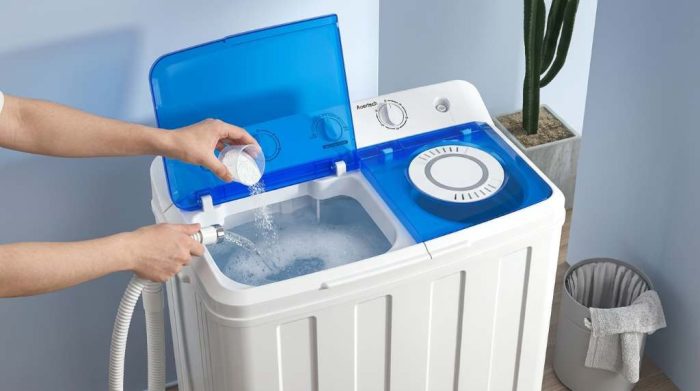
Step 5: Add the Correct Detergent
Measure detergent carefully according to both load size and product instructions. Excess detergent creates unnecessary foam and leaves residue behind.
Liquid detergent usually dissolves faster in compact washing machines. However, powdered detergent also works when mixed properly.
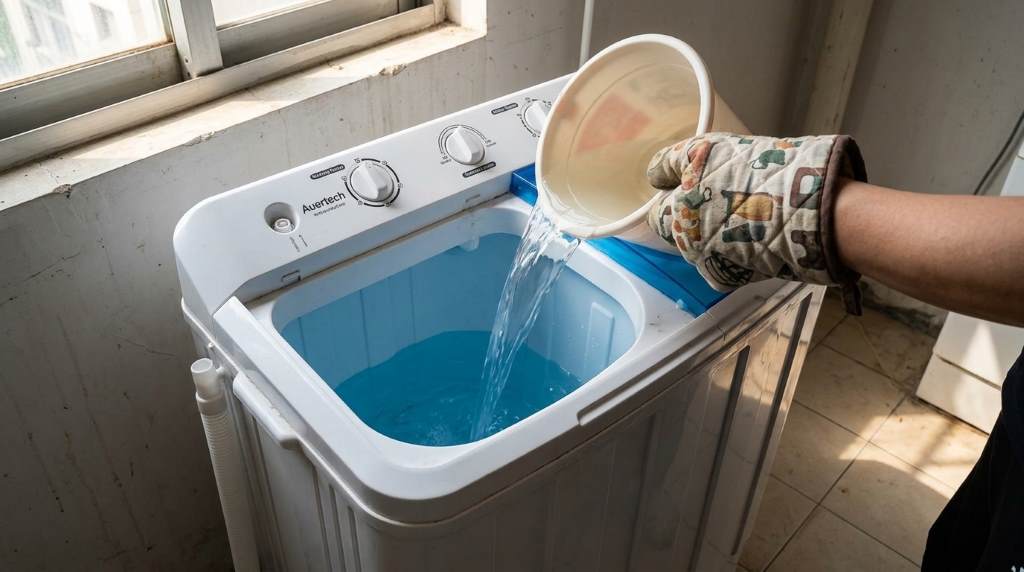
Step 6: Fill with Water
Add enough water to cover the clothing without overflowing the wash tub. Correct water levels improve cleaning while preventing unnecessary waste.
Warm water removes common dirt effectively from everyday clothing. Meanwhile, cold water helps preserve bright colors and delicate fabrics.
Step 7: Select the Washing Time
Choose the appropriate washing duration based on fabric type and soil level. Lightly worn clothing usually requires shorter washing periods.
Heavily soiled garments benefit from slightly longer wash cycles. Nevertheless, avoid excessive washing because fabrics may wear faster.
Step 8: Drain the Wash Water
After washing finishes, drain the dirty water completely before beginning the rinse cycle. Complete draining prevents leftover dirt from returning to clothing.
Keep the drain hose positioned correctly throughout the draining process. This practice reduces spills around the laundry area.
Step 9: Rinse Thoroughly
Refill the tub with clean water to remove remaining detergent from clothing. Proper rinsing leaves garments feeling softer and cleaner.
Repeat the rinse cycle whenever detergent residue remains visible. Clean water improves overall laundry freshness.
Step 10: Spin Dry the Clothes
Transfer clothing evenly into the spin basket if your model uses separate tubs. Balanced loads create smoother spinning with less vibration.
Secure the spin cover before starting the spin cycle. Finally, remove clothes promptly to reduce wrinkles.
Helpful Washing Tips
Simple habits improve washing performance and reduce maintenance over time. Consistent care also helps clothing stay in better condition.
- Wash similar fabrics together.
- Use the recommended detergent amount.
- Avoid overloading the washer.
- Clean the lint filter regularly.
- Leave the lid open after washing.
- Wipe moisture from the tub after use.
Common Washing Mistakes to Avoid
Many washing problems result from simple mistakes during daily use. Fortunately, most issues are easy to prevent with better habits.
- Using excessive detergent
- Mixing heavy towels with delicate clothing
- Ignoring maximum load capacity
- Leaving wet clothes inside too long
- Skipping regular machine cleaning
- Using incorrect water temperature
How to Clean the Washing Machine After Use
Cleaning the washer after every use helps prevent odors and mold growth. It also keeps internal components working efficiently.
Drain all remaining water before wiping the wash tub with a soft cloth. Afterwards, clean the lint filter according to the instruction manual.
Leave the lid open until every interior surface dries completely. Fresh airflow reduces moisture buildup inside the machine.
Maintenance Tips for Long Lasting Performance
Regular maintenance reduces unexpected problems and improves overall reliability. Preventive care also lowers the chance of expensive repairs.
- Inspect hoses for cracks regularly.
- Keep electrical connections dry.
- Store the washer indoors.
- Remove lint after every load.
- Check moving parts for unusual sounds.
- Follow the user manual recommendations.
Troubleshooting Basic Washing Problems
Minor washing issues often have simple solutions before professional service becomes necessary. Quick inspection usually identifies the problem.
- Clothes remain dirty: Reduce load size and increase washing time.
- Machine vibrates: Balance the clothing evenly before spinning.
- Poor drainage: Check the drain hose for blockages.
- Soap residue: Reduce detergent and rinse again.
- Bad odor: Clean the tub and leave the lid open.
Conclusion
Learning how to wash in Auertech portable washing machine becomes easy when you follow each step carefully. Proper loading, correct detergent use, and routine maintenance produce consistently clean laundry.
Start using these practical tips during your next laundry session for better results every time. Consistent care protects both your clothing and your portable washer for years.
Frequently Asked Questions
How much detergent should I use?
Use only the amount recommended on the detergent label for your load size.
Can I wash blankets in an Auertech portable washing machine?
Wash only lightweight blankets if they stay within the machine’s load capacity.
How often should I clean the washer?
Clean the tub and lint filter after regular use for the best performance.
Can I use regular laundry detergent?
Yes, but use the correct amount to avoid excessive foam and residue.
Why are my clothes still wet after spinning?
An uneven or overloaded spin basket commonly reduces spinning efficiency.